Environment & Nature
Filipino resilience is not a substitute for accountability

Abi Sarabia M., Philippine Canadian Inquirer
August 18, 2026
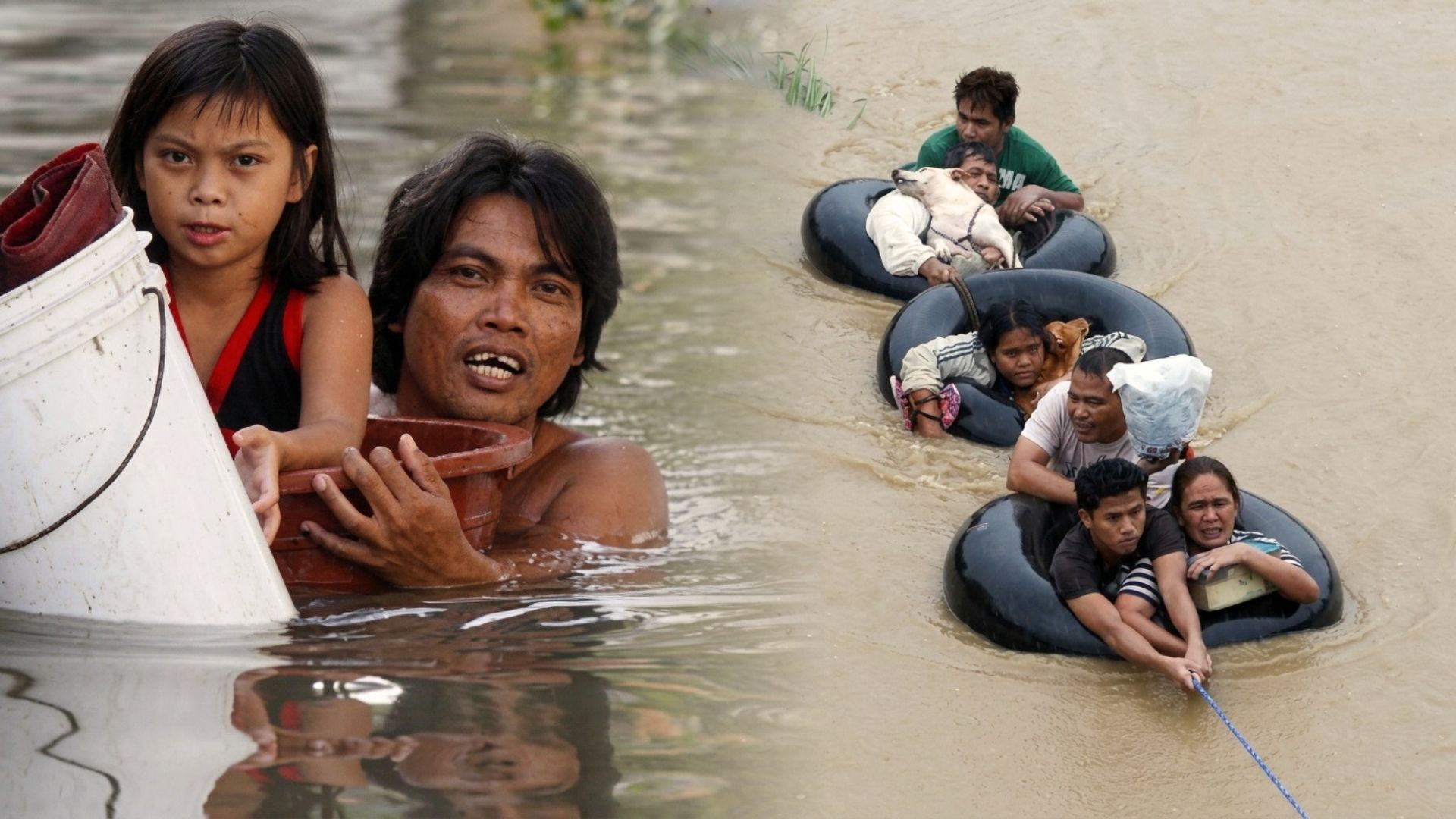
Photo courtesy: The Guardian/Reuters
Ondoy. Yolanda. Ulysses. Habagat, almost every year since. The water rises over the same neighborhoods, the same bridges, the same roads, and each time, we reach for the same word: resilient.
We say it so often we no longer notice what it’s doing. It turns a policy failure into a personality trait. It takes something that should embarrass the government and hands it back to the people as a compliment.
Resilience is not a flood control plan. It was never supposed to be one.
But somewhere between one disaster and the next, we let it become a substitute, a way of praising people for enduring what should have been prevented, instead of asking why it was not.
This is not just a feeling. It’s on record.
A flood control scandal uncovered a kickback scheme tied to projects that only ever existed on paper.
Investigators found that hundreds of flood control projects nationwide turned out to be “ghost” projects, never built, even though they were funded and reported as complete.
Only a small number have been formally confirmed so far, with a few cases already in court and more still under investigation.
And there’s a detail that deserves to sit with us longer than it usually does: some of the structures that were actually built turned out to be so poorly placed that they made the flooding in their area worse, not better.
Think about what that means. Some of the water families are wading through right now is not just the government failing to act.
In places, it’s infrastructure built with public money, meant to protect people, actively working against them. And still, once the water recedes, the conversation shifts right back to how admirably everyone coped.
The money kept moving regardless. Flood control funding grew year after year, spanning different administrations, climbing from a modest amount to hundreds of billions of pesos.
Every year, the budget got bigger. Every year, the flooding continued and in some places, got worse.
This is not a story about too little money to solve the problem. It’s a story about money that moved through the system without the water ever noticing.
And who absorbs the real cost of that gap?
Rarely the people who approved the budgets. Rarely the ones who signed off on projects that turned out not to exist.
Rarely the ones who somehow needed a public hearing to catch what should have been caught the first time.
There’s a kind of pride that’s earned, and there’s a kind that gets handed to people simply because it’s easier than accountability.
What Filipinos have lived through- the storms, the displacement, rebuilding homes and livelihoods that were barely finished from the last disaster deserves the first kind.
What we’ve been handed instead is the second, from a political culture that has learned resilience is cheaper than reform.
Changing that takes more than outrage during hearing season, which tends to fade once the news moves on to the next crisis.
It takes remembering who keeps showing up in these investigations, and carrying that memory to the ballot. It takes asking, before any election, what a candidate actually did with the budgets and projects under their watch, not what they promise to do next, since promises cost nothing to make.
And it takes staying alert in the quiet months between disasters, when audits get released without fanfare, when project lists get quietly revised, when new contracts get signed with little scrutiny because the public has already stopped watching.
None of this takes away from what Filipinos have endured. But endurance without consequence isn’t resilience, it’s a system that has learned it can lean on the public to cover for its failures, indefinitely. The floodwaters will keep coming back on schedule.
Whether accountability does too is, at this point, entirely up to us.