Headline
PAGASA sees drought spreading to 84 areas by March 2027

ASM, Philippine Canadian Inquirer
October 07, 2026
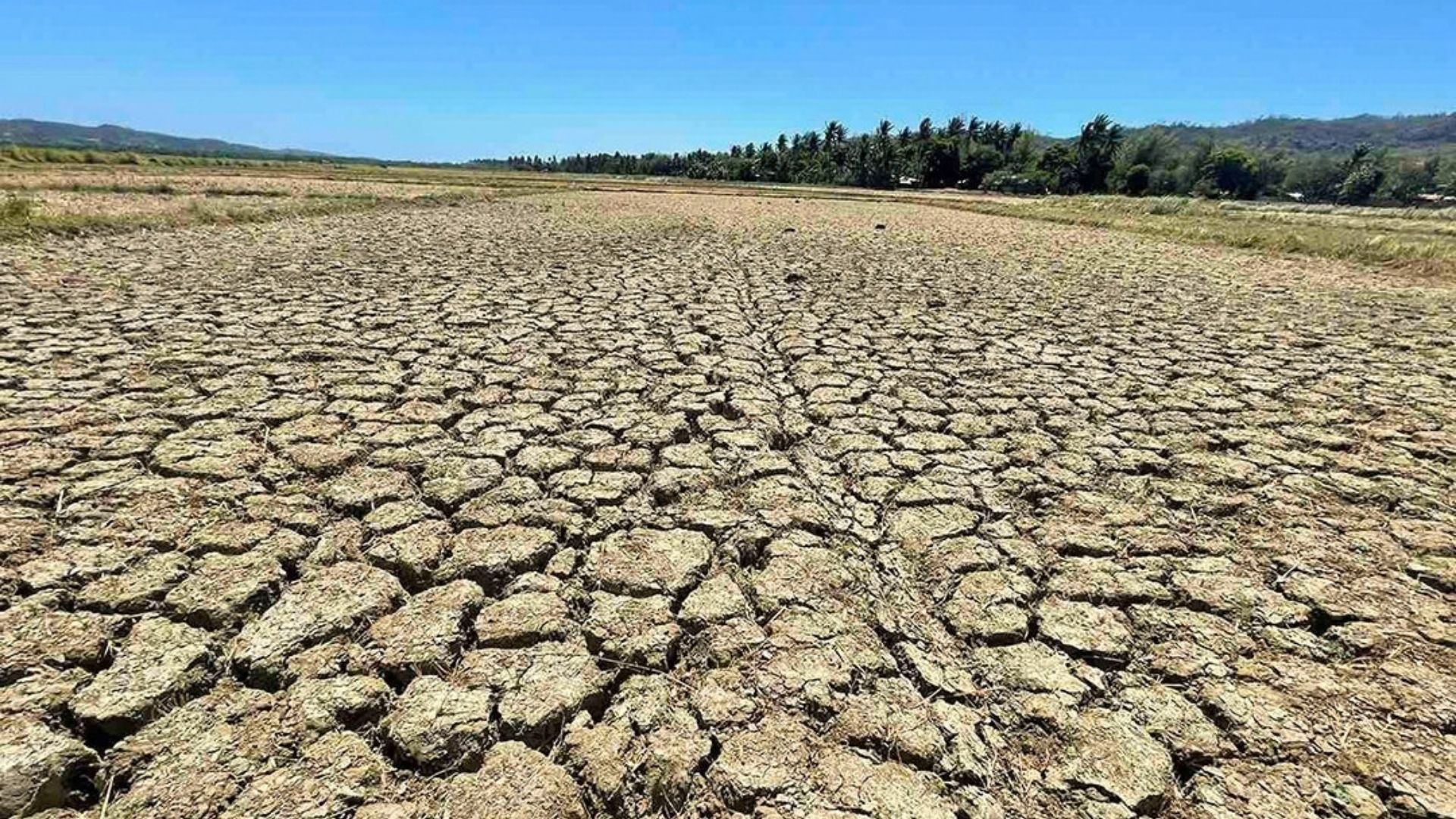
Photo courtesy: BusinessWorld Online
MANILA, Philippines — Drought conditions could spread across much of the Philippines in the coming months as a strong El Niño brings reduced rainfall and warmer conditions, with 84 areas potentially experiencing drought by March 2027, according to PAGASA’s latest climate outlook.
The state weather bureau expects the number of drought-affected areas to rise progressively toward the first quarter of next year. Its October-to-March outlook projects drought in six areas in October and November, increasing to 17 in December, 45 in January, 78 in February and 84 by March.
PAGASA classifies an area as experiencing drought after three consecutive months of way-below-normal rainfall, while a dry spell generally develops after two consecutive months of below-normal rainfall.
The worsening outlook comes as El Niño remains established in the tropical Pacific. PAGASA says the phenomenon is expected to persist through the first half of 2027 and could reach very strong intensity before peaking toward the end of 2026.
Recent forecasts already point toward reduced rainfall. PAGASA’s subseasonal outlook issued in early October shows an increased probability of below-normal rainfall across large portions of the country during the first half of the month, although some areas could still receive above-normal precipitation.
The country has also just moved out of the Habagat season, reducing one of the major sources of seasonal rainfall over western sections of Luzon and the Visayas. Other weather systems – including the Intertropical Convergence Zone, shear line, Northeast Monsoon and tropical cyclones – can still produce significant rain even while El Niño persists.
PAGASA expects three to five tropical cyclones to enter or develop within the Philippine Area of Responsibility from October 2026 through March 2027. One or two are projected for each month from October through December, followed by around one in January, while the likelihood of cyclone development becomes lower in February and March.
The effects of the prolonged dry conditions are already being felt in agriculture.
The Department of Agriculture reported P6.87 billion in agricultural damage and production losses as of Sept. 26, affecting 223,214 farmers and more than 249,000 hectares across 14 regions. Rice, corn, cassava, high-value crops, livestock and poultry were among those affected.
Meanwhile, 106 cities and municipalities have declared states of calamity because of El Niño conditions. The Office of Civil Defense said five provinces – Isabela, Cagayan, Camarines Norte, Dinagat Islands and Agusan del Sur – have also issued provincial state-of-calamity declarations.
Government agencies have begun rolling out measures to cushion the impact. The OCD said nearly P10.96 billion in interventions and assistance has been provided to affected farmers, including crop insurance, production assistance and irrigation support.
PAGASA continues to monitor El Niño and rainfall conditions as the country moves toward the traditionally drier months, with the projected expansion of drought expected to become most pronounced between January and March 2027.