Canada News
Canada’s new asylum rules face legal challenge over access to refugee hearings

Floyd Brenz., Philippine Canadian Inquirer
October 07, 2026
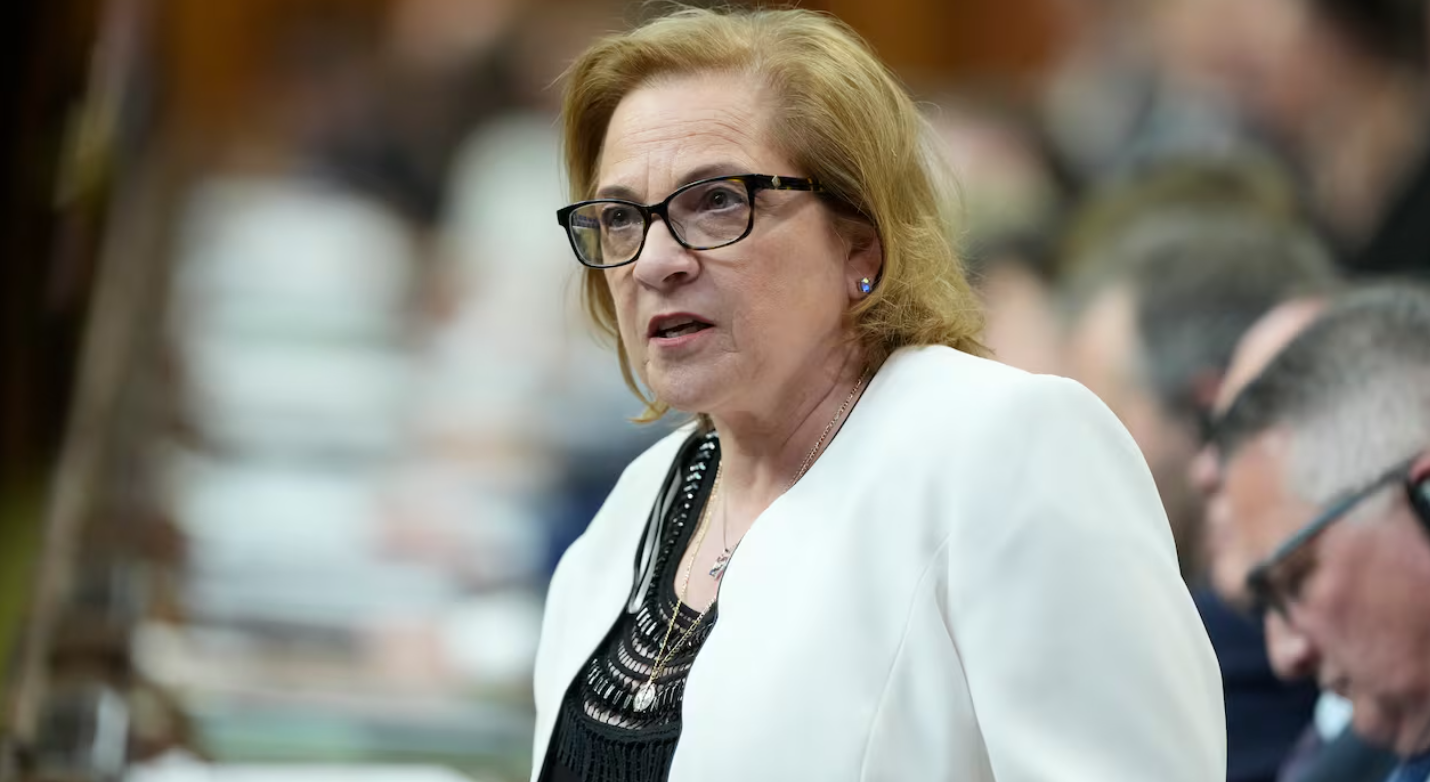
Photo Courtesy: CBC News
Canada’s tightened asylum rules are now facing a constitutional challenge, putting the government’s effort to speed up the refugee system under legal scrutiny.
The dispute centres on changes introduced through Bill C-12, which became law in March. Under the new rules, some asylum claims can be found ineligible for referral to the Immigration and Refugee Board if they are filed more than a year after the claimant’s first entry into Canada, or more than 14 days after an irregular entry from the United States.
People whose claims are excluded from the refugee board process can still seek a pre-removal risk assessment, which is intended to determine whether they could face persecution, torture or other serious harm if returned to their country.
The changes are now being tested in Federal Court, where several cases have raised concerns about whether the new eligibility rules comply with the Canadian Charter of Rights and Freedoms.
The court has identified cases involving people whose circumstances changed after arriving in Canada, including claims involving gender, religion, sexual orientation and family violence. Some applicants argue that the one-year deadline can prevent people from seeking protection when the circumstances creating the risk only emerge after they have been in Canada for an extended period.
The government, meanwhile, says the reforms are designed to reduce delays and prevent the asylum system from being used as an alternative immigration pathway. Immigration Minister Lena Metlege Diab has argued that the changes are intended to make the system more efficient while maintaining protection for people who genuinely face danger.
The Immigration and Refugee Board has also outlined how the new rules affect its operations, including the requirement that claimants be physically present in Canada while their cases are being considered.
The legal challenge comes as Canada attempts to manage a large and evolving asylum system while tightening its immigration and border policies.
At the heart of the dispute is a question that could have consequences beyond individual cases: how far the government can go in streamlining refugee processing without limiting access to the protections guaranteed under Canadian law.