Headline
Gov’t readies ₱7.86B disaster fund as El Niño losses hit ₱6.87B

ASM, Philippine Canadian Inquirer
October 20, 2026
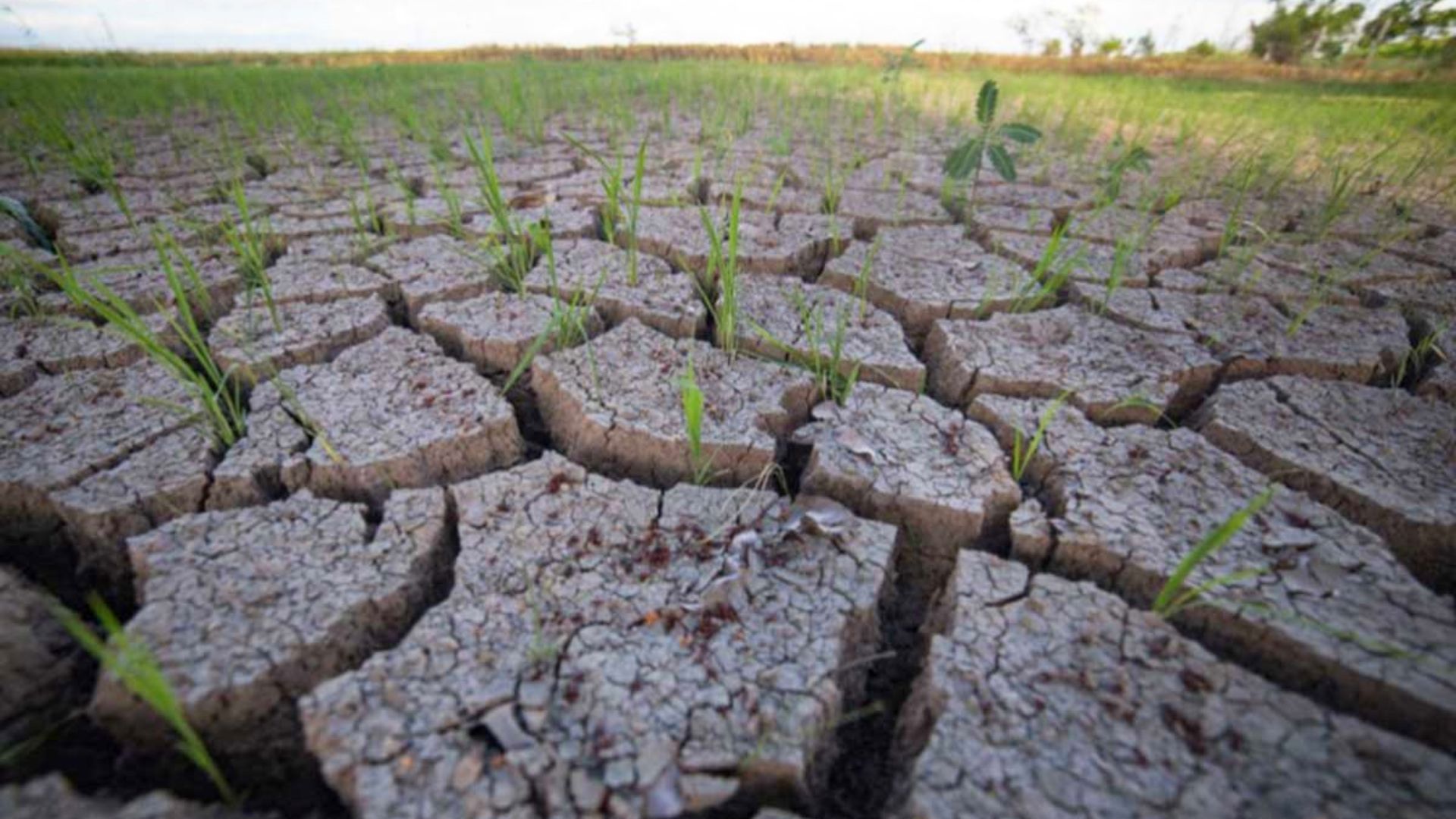
Photo courtesy: Daily Guardian
MANILA, Philippines – The Philippine government has made ₱7.86 billion in disaster funds available to help communities affected by El Niño, as worsening dry conditions continue to damage crops and threaten water supplies across the country.
The funding comes as agricultural losses have reached ₱6.87 billion, affecting more than 223,000 farmers, according to government reports.
Office of Civil Defense (OCD) spokesperson Vic Tomas said the amount is available under the National Disaster Risk Reduction and Management Fund (NDRRMF). It can support relief operations and other eligible measures to address the effects of prolonged dry weather.
Speaking at a news forum in Quezon City on October 17, Tomas said the government is coordinating its response across several agencies as the country prepares for El Niño conditions that could persist until the first half of 2027.
Over 100 areas under state of calamity
The National Disaster Risk Reduction and Management Council (NDRRMC) has reported that 106 areas have declared a state of calamity because of El Niño.
These include 66 areas in Cagayan Valley, 23 in Caraga, 12 in Bicol, four in Calabarzon and one in Soccsksargen.
Government figures also show that at least 123,635 families across more than 1,000 areas have experienced the effects of the prolonged dry spell.
Affected communities include those in Cagayan Valley, Calabarzon, Mimaropa, Bicol, Eastern Visayas and Caraga.
Government releases ₱76.4M in initial assistance
To support affected communities, government agencies have already distributed approximately ₱76.4 million in assistance.
The Department of Social Welfare and Development (DSWD), OCD and other agencies have provided relief supplies, including food, essential household items and equipment designed to produce safe drinking water.
Meanwhile, the Department of Agriculture (DA) has supplied climate-resilient seeds and other agricultural support to help farmers cope with dry conditions.
The OCD has also begun procuring water pumps and desalination equipment to help strengthen drinking water and irrigation supplies.
Local government units may also use eligible portions of their quick response funds to supplement disaster operations.
Additional ₱6.68B available for rehabilitation
Apart from the ₱7.86-billion disaster response fund, Tomas said approximately ₱6.68 billion is available under the Disaster Rehabilitation and Reconstruction Assistance Program.
This funding is intended to support affected local governments, particularly those that have declared a state of calamity.
The two funding sources serve different purposes. The NDRRMF can support eligible disaster preparedness and response activities, while rehabilitation assistance is directed toward recovery and reconstruction needs.
El Niño threatens agriculture and water supply
The prolonged dry conditions have placed additional pressure on farmers, communities and water resources.
According to the Department of Agriculture’s September 26 report, damage and losses in the agriculture sector reached ₱6.87 billion, affecting 223,214 farmers.
The government has also strengthened coordination among agencies responsible for agriculture, irrigation, water supply and social welfare.
President Ferdinand Marcos Jr. met with key government agencies on October 13 to review measures intended to protect food production, water availability and energy supplies.
The government is preparing for continued El Niño conditions into the first half of 2027.
The OCD has urged the public to conserve water, follow official advisories and support local efforts to reduce the effects of the dry spell.
Government agencies will continue coordinating relief and preparedness measures as affected communities face prolonged pressure on water supplies and agricultural livelihoods.