Canada News
U.S. midterm elections put Canada’s trade war with Trump in political spotlight

Floyd Brenz., Philippine Canadian Inquirer
November 01, 2026
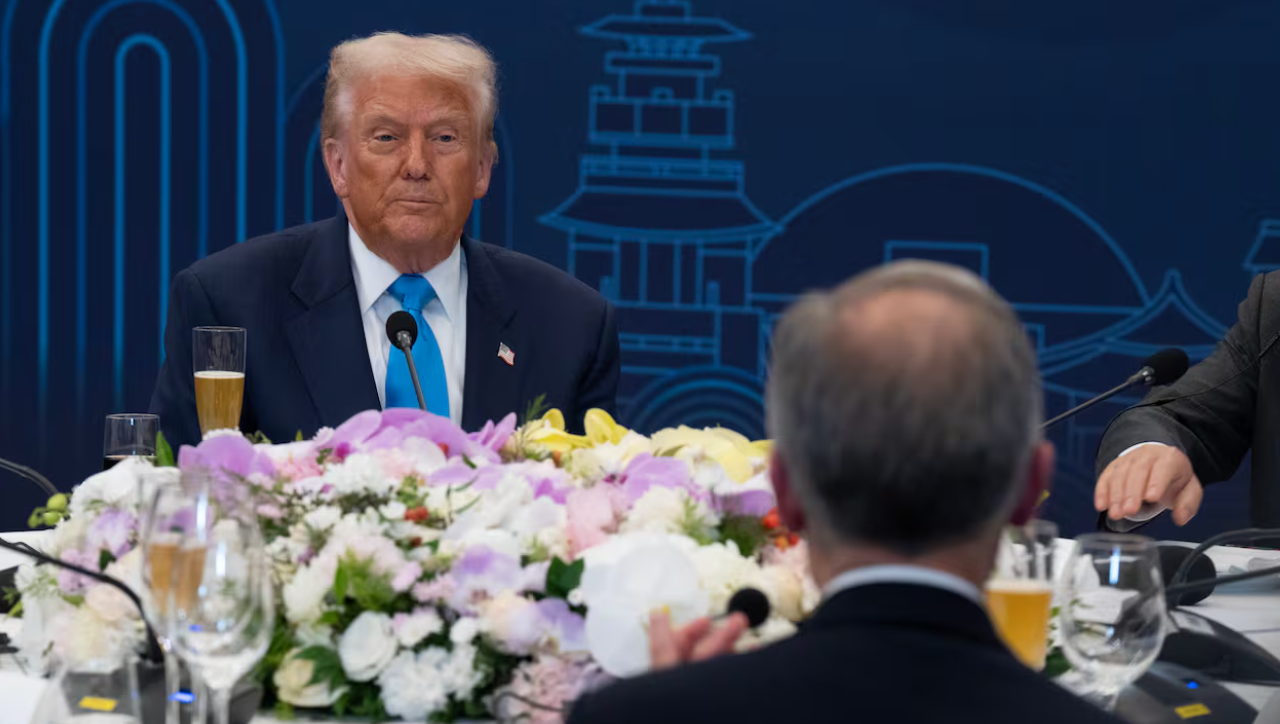
Photo Courtesy: The Canadian Press
Canada has become an increasingly prominent issue in the U.S. midterm election campaign, with candidates raising the ongoing trade dispute with their northern neighbour as voters prepare to head to the polls on November 3.
The election results could have significant implications for Canada, particularly as U.S. President Donald Trump continues to use tariffs as a central part of his trade policy.
According to political observers interviewed by CBC, the growing attention on Canada reflects how the trade conflict has become an electoral concern in several American states, particularly those with industries dependent on cross-border commerce.
The tariffs have affected sectors such as steel, automobiles and manufacturing, putting pressure on businesses and workers on both sides of the border.
For Canadian officials, however, the outcome of the election does not necessarily guarantee an immediate improvement in trade relations.
Prime Minister Mark Carney has maintained that Canada will not accept an agreement simply to end the dispute, insisting that any deal must protect Canadian interests.
Trade discussions between Ottawa and Washington have intensified in recent weeks, but key disagreements remain unresolved. Canadian officials have cautioned that increased communication should not be mistaken for an imminent agreement.
The political stakes are also significant for Trump and Republican candidates, as the economic consequences of tariffs have become a concern among voters in states with close trade ties to Canada.
A change in congressional control could affect the political environment surrounding Trump’s trade agenda and potentially increase pressure on the administration to reconsider its approach. However, the extent of Congress’s ability to influence the president’s tariff decisions would depend on the legal authority used to impose them.
For Canada, the immediate challenge remains navigating an uncertain trade relationship with its largest trading partner while protecting businesses, workers and industries exposed to the continuing dispute.
With the November 3 vote approaching, the results could shape the political pressure surrounding the trade war, even if they do not immediately bring both countries back to the negotiating table.