Canada News
B.C. leaders clash over affordability, taxes and public services in election debate

Floyd Brenz., Philippine Canadian Inquirer
October 15, 2026
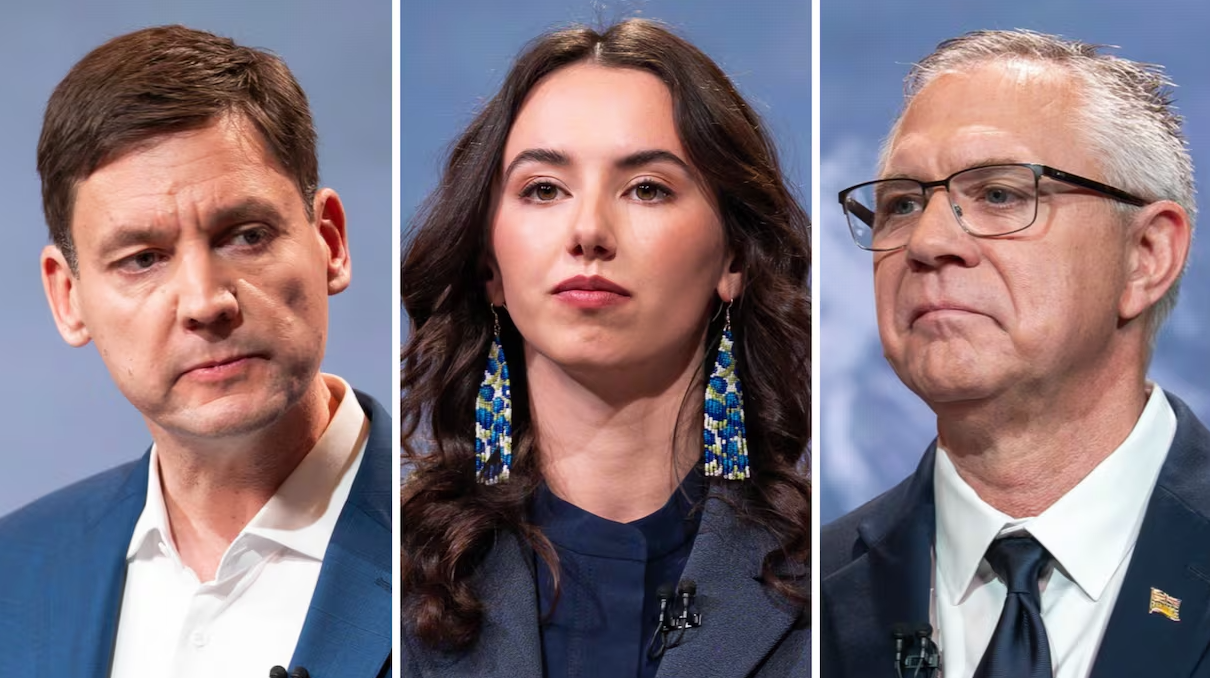
Photo Courtesy: CBC News
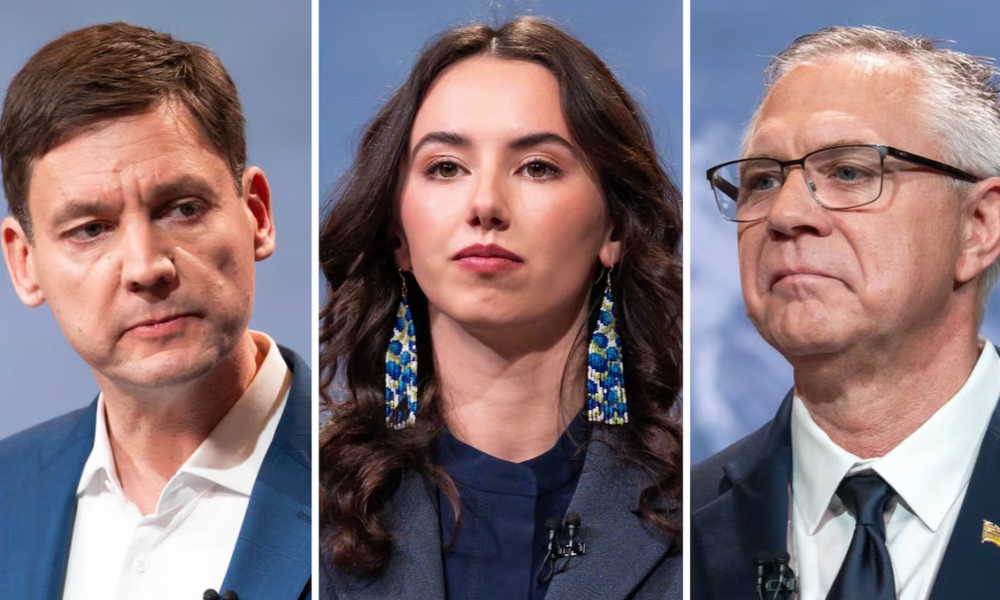
British Columbia’s three major party leaders faced off in their only televised debate of the provincial election campaign, exchanging criticism over the economy, health care, housing and how to pay for government programs ahead of the October 24 vote.
BC NDP Leader David Eby, interim BC Conservative Leader Lorne Doerkson and BC Green Party Leader Emily Lowan took part in the October 14 debate, moderated by Angus Reid Institute president Shachi Kurl.
The discussion unfolded as voters weigh the province’s cost-of-living pressures, access to public services and competing proposals for economic growth. It also gave the leaders an opportunity to defend their platforms and challenge the spending priorities of their rivals.
Eby defended his decision to call an early election, arguing that British Columbia needed a government capable of making significant changes on issues affecting families. He said the focus should remain on practical concerns rather than political and cultural disputes.
Doerkson, meanwhile, challenged the NDP government’s record after nearly a decade in power. He criticized Eby’s leadership and questioned whether the incumbent government had delivered meaningful improvements for British Columbians.
The exchange over government finances also put tax policy under scrutiny. Eby defended the NDP’s proposal to raise income taxes on the province’s highest earners, saying the additional revenue would help fund improvements to health care and other services.
Lowan argued that the Green Party’s approach would place greater emphasis on taxing wealth and resource royalties. She questioned whether the NDP’s proposed income-tax changes would affect a broader group of workers than the party suggested.
The debate took place against the backdrop of competing spending plans. The NDP has projected a deficit of about $12 billion by the 2028-29 fiscal year, while the Greens have proposed new initiatives in health care, education and social services, financed in part through a one-time tax on what the party describes as excessive wealth. The Conservatives had yet to release their full fiscal costings at the time of the debate.
Beyond taxes and government spending, the campaign has centred on housing affordability, public safety, health-care access, Indigenous relations, energy and the province’s economic outlook amid trade uncertainty.
The debate came 10 days before voters head to the polls. Advance voting is scheduled to begin October 16 and continue through October 21.
With no further televised leaders’ debate scheduled, the exchanges gave British Columbians a direct opportunity to compare the parties’ positions before deciding who should lead the province.