Canada News
Quebec premier presses Carney for speaking role at Canada-EU summit in Montreal

ASM, Philippine Canadian Inquirer
October 29, 2026
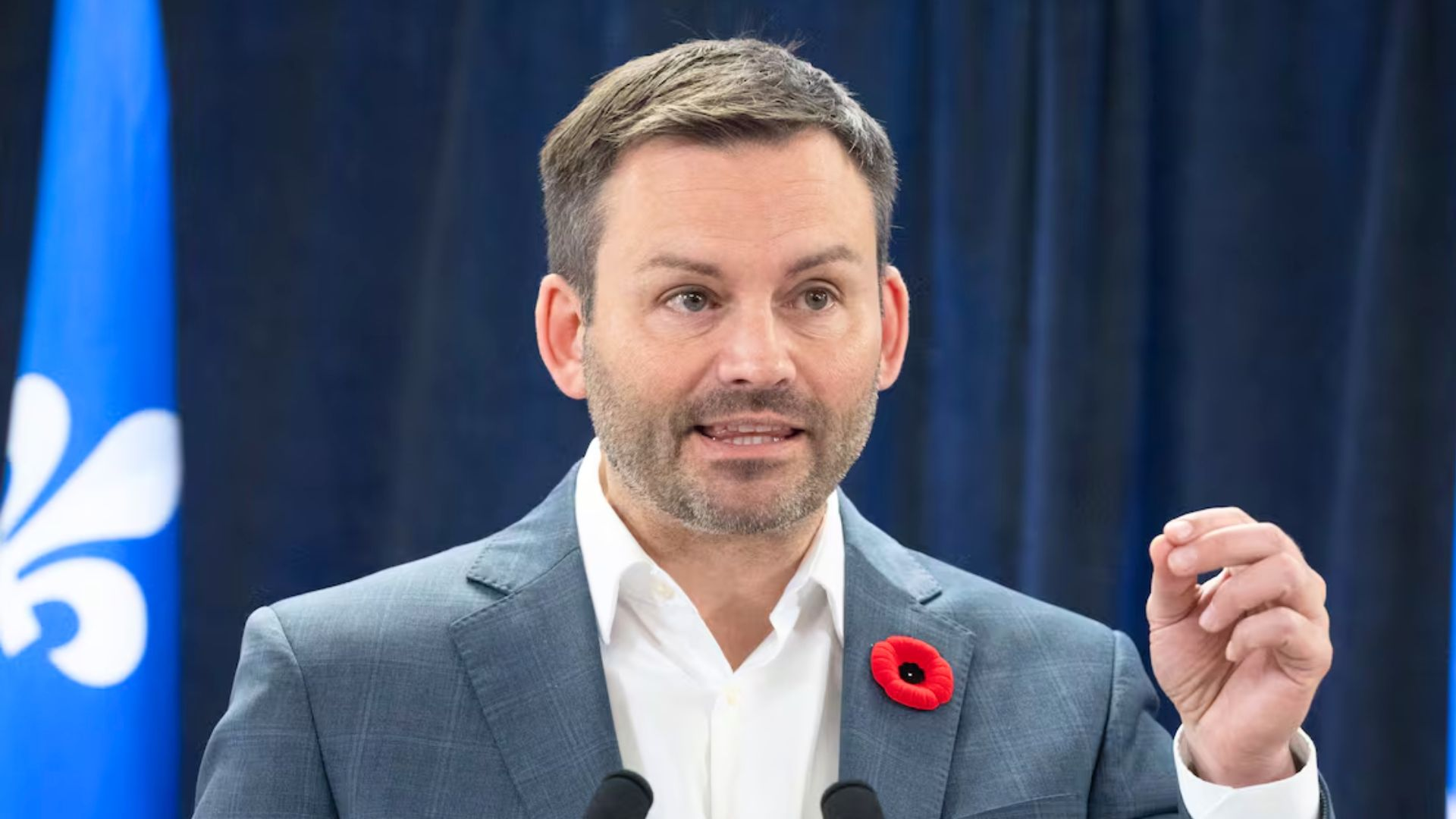
Photo courtesy: CBC News
MONTREAL, Canada — A disagreement over Quebec’s role at a major international summit has intensified, with Premier Paul St-Pierre Plamondon urging Prime Minister Mark Carney to allow him to address European leaders gathering in Montreal.
The dispute comes as Canada prepares to host the 21st Canada-European Union Summit on October 29 and 30, bringing together senior officials to discuss trade, economic cooperation, security, and stronger ties between Canada and Europe.
St-Pierre Plamondon has been invited to participate in the gathering, but Ottawa has declined to give him an official speaking role.
The newly elected Parti Québécois premier argues that Quebec should have an opportunity to represent its interests directly, particularly because the summit is taking place in the province.
Speaking to reporters in Quebec City on Wednesday, October 28, he called on Carney to reconsider.
“It’s never too late to do the right thing,” St-Pierre Plamondon said.
The premier described Ottawa’s refusal as disrespectful, arguing that Quebec’s economic interests could be affected by discussions with European partners.
He also raised concerns about Quebec’s trade deficit with the European Union, saying the province needs a voice in efforts to improve its economic relationship with Europe.
Carney says invitation remains open
Carney has maintained that St-Pierre Plamondon is welcome to participate in the summit, even without a formal speaking opportunity.
The prime minister said he had personally invited the Quebec premier to a dinner alongside European Commission President Ursula von der Leyen and European Council President António Costa.
Ottawa also offered the premier a role in welcoming the European delegation.
Carney described the invitation as an opportunity for St-Pierre Plamondon to establish relationships with European leaders and discuss matters important to Quebec.
However, the premier has insisted that attending the event without being permitted to address delegates would not adequately represent Quebec’s interests.
As of Wednesday, he had not confirmed whether he would attend the summit.
Why Quebec wants a greater role
The disagreement reflects a broader debate over how much influence Canadian provinces should have in international discussions involving matters within their jurisdiction.
St-Pierre Plamondon has cited the Gérin-Lajoie doctrine, a longstanding Quebec policy position asserting that the province can pursue international relations in areas where it exercises constitutional authority, including education and culture.
His government argues that Quebec should be able to defend its economic interests when international discussions could affect provincial priorities.
Ottawa, however, maintains that the summit is a federal-level meeting between Canada and the European Union.
Federal Industry Minister Mélanie Joly has defended the government’s position, emphasizing federal responsibility for international affairs.
Quebec Conservative Leader Éric Duhaime also criticized Ottawa’s handling of the dispute but encouraged the premier to attend rather than leave the province without representation at the gathering.
The disagreement comes shortly after St-Pierre Plamondon took office as Quebec premier, adding an early point of tension to his government’s relationship with Ottawa.
Canada and EU seek deeper cooperation
Beyond the political disagreement, the summit is expected to advance Canada’s relationship with the European Union in several major areas.
Carney will meet with von der Leyen and Costa as both sides work toward closer cooperation on trade, critical minerals, energy, technology, defense, and economic security.
Leaders are also expected to discuss opportunities in education, research, innovation, and youth exchanges.
According to the Prime Minister’s Office, the European Union is Canada’s second-largest trading partner for goods and services, with bilateral trade valued at approximately C$178 billion in 2025.
The summit is expected to advance a proposed Alliance for the Future, a framework aimed at strengthening economic and political cooperation between Canada and Europe.
For now, St-Pierre Plamondon’s participation remains uncertain.
The central disagreement is over whether Quebec’s premier should have a formal opportunity to speak at a summit hosted in his province, or whether Ottawa’s invitation to participate in diplomatic discussions is sufficient.