Headline
Why Japan, Germany, UK, Taiwan and US are urging citizens to prepare for emergencies

ASM, Philippine Canadian Inquirer
October 29, 2026
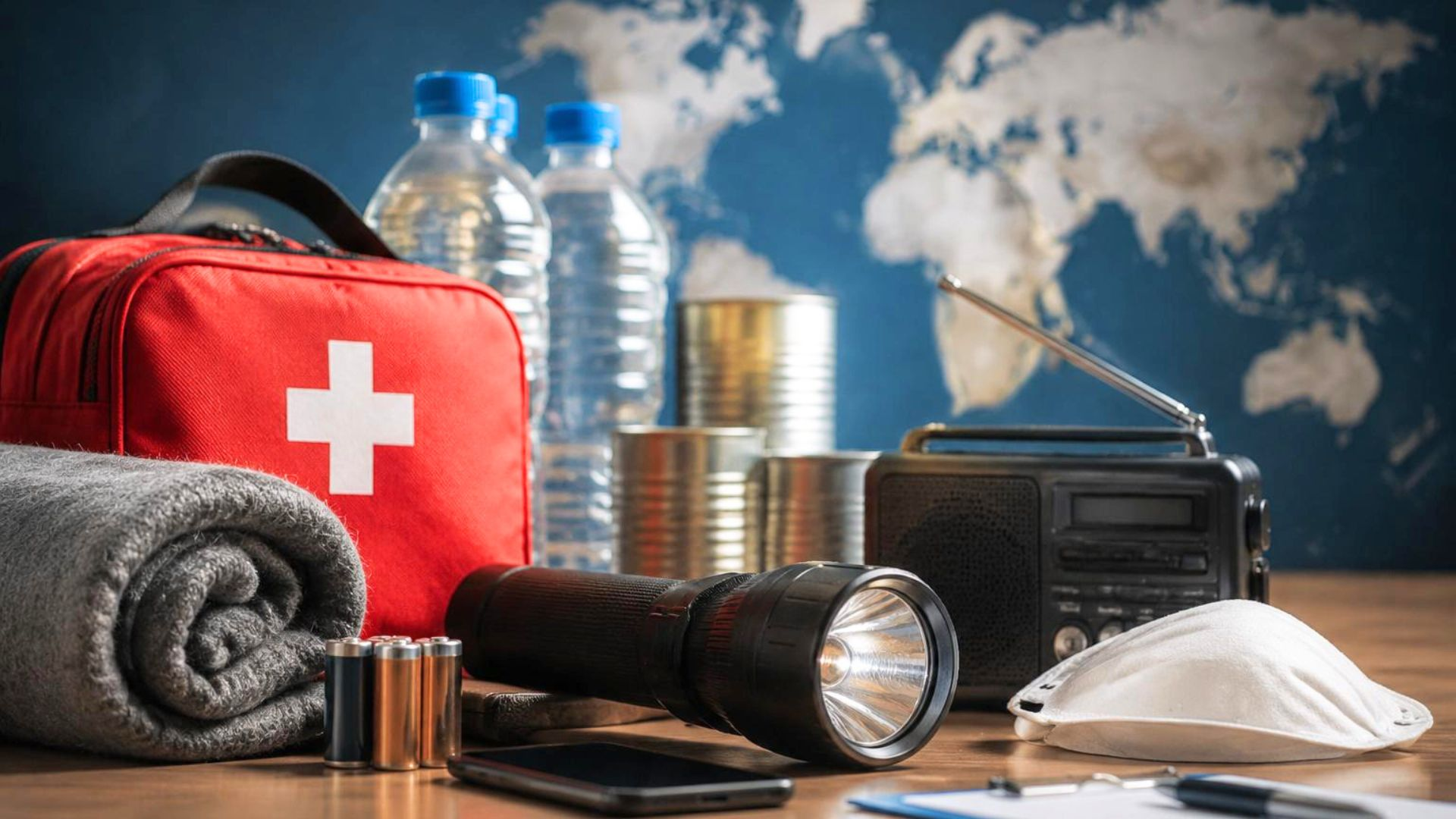
MANILA, Philippines — Keep emergency food and water at home. Prepare essential medicines. Have a flashlight, batteries, and a plan in case electricity or communications suddenly fail.
These are among the precautions governments in Japan, Germany, the United Kingdom, Taiwan, and the United States are encouraging their citizens to take as countries strengthen preparations for natural disasters, security threats, and disruptions to essential services.
The renewed attention to emergency readiness comes as the UK launched its Be Ready campaign on October 22, urging households to prepare for at least three days without normal access to essential services.
Other countries have adopted similar recommendations, although their guidance varies depending on the risks they face.
From earthquakes and severe storms to cyberattacks and potential armed conflict, the message is consistent: households should be prepared to manage temporarily when outside assistance is limited.
But while these campaigns have drawn interest amid online speculation about a supposed November 2026 “doomsday,” there is no verified evidence that governments are preparing for a specific worldwide catastrophe.
UK launches nationwide preparedness campaign
The British government’s new Be Ready campaign encourages families to prepare for three days of possible disruption to electricity, water, mobile communications, and internet services.
Launched on October 22, the initiative forms part of a three-year public awareness effort focused on making households better equipped to handle emergencies.
The government recommends keeping bottled water, non-perishable food, flashlights, charged power banks, essential medicines, and battery-powered or wind-up radios.
Security Minister Dan Jarvis said preparedness could help reduce pressure on emergency responders, allowing them to prioritize people most in need.
The campaign follows severe storms and wildfires that disrupted communities in the UK. It also builds on government household preparedness guidance published since 2024.
Japan encourages supplies for at least three days
In Japan, where earthquakes, tsunamis, typhoons, and volcanic activity pose recurring threats, emergency preparedness has long been a priority.
The Japanese government recommends maintaining enough food, drinking water, and other essential supplies for at least three days, preferably one week.
Families are also encouraged to prepare evacuation bags, portable toilets, flashlights, and communication equipment.
Japan’s Cabinet Office emphasizes that large-scale disasters can interrupt transportation, utilities, and supply deliveries, making household preparedness important before emergency services can reach everyone.
The recommendations are longstanding disaster safety measures rather than warnings of a particular event in November.
Germany advises households to prepare for 10 days
Germany recommends that residents maintain enough food, water, and other necessities to sustain themselves for up to 10 days.
Its Federal Office of Civil Protection and Disaster Assistance (BBK) acknowledges that not every household can immediately build a 10-day supply, making three days of preparedness a practical starting point.
The agency’s updated guidance addresses prolonged power outages, extreme weather, misinformation, and security emergencies, including situations involving armed conflict.
German authorities stress that readiness should reflect each household’s needs, storage space, and financial circumstances.
The goal is to help residents remain safe if essential services become temporarily unavailable.
Taiwan prepares for natural disasters and security threats
Taiwan’s emergency preparedness guidance addresses both natural disasters and possible military emergencies.
Its public safety handbook recommends that households maintain at least seven days of essential supplies, including a minimum of three liters of drinking water per person daily.
Residents are also advised to prepare a separate emergency evacuation bag containing necessities for one to three days.
The recommendations include food, medication, hygiene supplies, basic medical equipment, and important personal items.
Taiwan’s preparedness measures reflect its exposure to earthquakes, extreme weather, and tensions with China.
The guidance is designed to improve civilian readiness across different emergencies, rather than predict that a conflict or disaster will occur on a particular date.
US encourages emergency kits and family plans
In the United States, the Federal Emergency Management Agency (FEMA) continues to promote household preparedness through its Ready.gov initiative.
The agency recommends maintaining at least three days of non-perishable food and drinking water, with approximately one gallon of water per person each day for drinking and sanitation.
Other suggested supplies include first-aid kits, flashlights, batteries, radios, prescription medicines, and important documents.
Families are also encouraged to prepare emergency communication plans and consider the needs of children, older adults, people with disabilities, and pets.
The guidance covers a wide range of emergencies, including hurricanes, wildfires, floods, earthquakes, and extended power outages.
Its purpose is to help households remain safe and self-sufficient while emergency assistance is being organized.
European Union pushes 72-hour crisis readiness
Beyond individual countries, the European Union has also taken steps to strengthen public preparedness.
In March 2025, the European Commission introduced its Preparedness Union Strategy, addressing risks ranging from natural disasters and cyberattacks to geopolitical tensions and disruptions to critical infrastructure.
One of its objectives is to develop guidance helping people remain self-sufficient for at least 72 hours during an emergency.
The strategy also promotes public education, early warning systems, and closer coordination among governments, communities, and businesses.
European officials have emphasized that preparedness is a shared responsibility involving both public institutions and individual households.
Are these warnings about an approaching doomsday?
Despite the attention surrounding government emergency preparations, the available evidence does not support claims that these countries are responding to a predicted global catastrophe in November 2026.
Their preparedness programs were introduced at different times and address different risks.
Japan has longstanding disaster readiness measures. Germany and Taiwan account for wider security threats, while the UK and US emphasize household resilience during emergencies that could interrupt daily life.
The European Union’s strategy similarly focuses on preparing for a broad range of possible crises rather than one imminent event.
There is no verified indication that these governments have issued a coordinated doomsday warning.
What their recommendations demonstrate is a growing emphasis on ensuring that households can meet basic needs when public services are disrupted.
For Filipinos, the advice is especially relevant in a country regularly exposed to typhoons, earthquakes, flooding, and prolonged power interruptions.
Preparing emergency supplies, identifying safe evacuation routes, and establishing a family communication plan can make a difference when a disaster strikes.