Canada News
Canadian scientists urge changes to Bill C-39 over risks to environmental protections

ASM, Philippine Canadian Inquirer
October 23, 2026
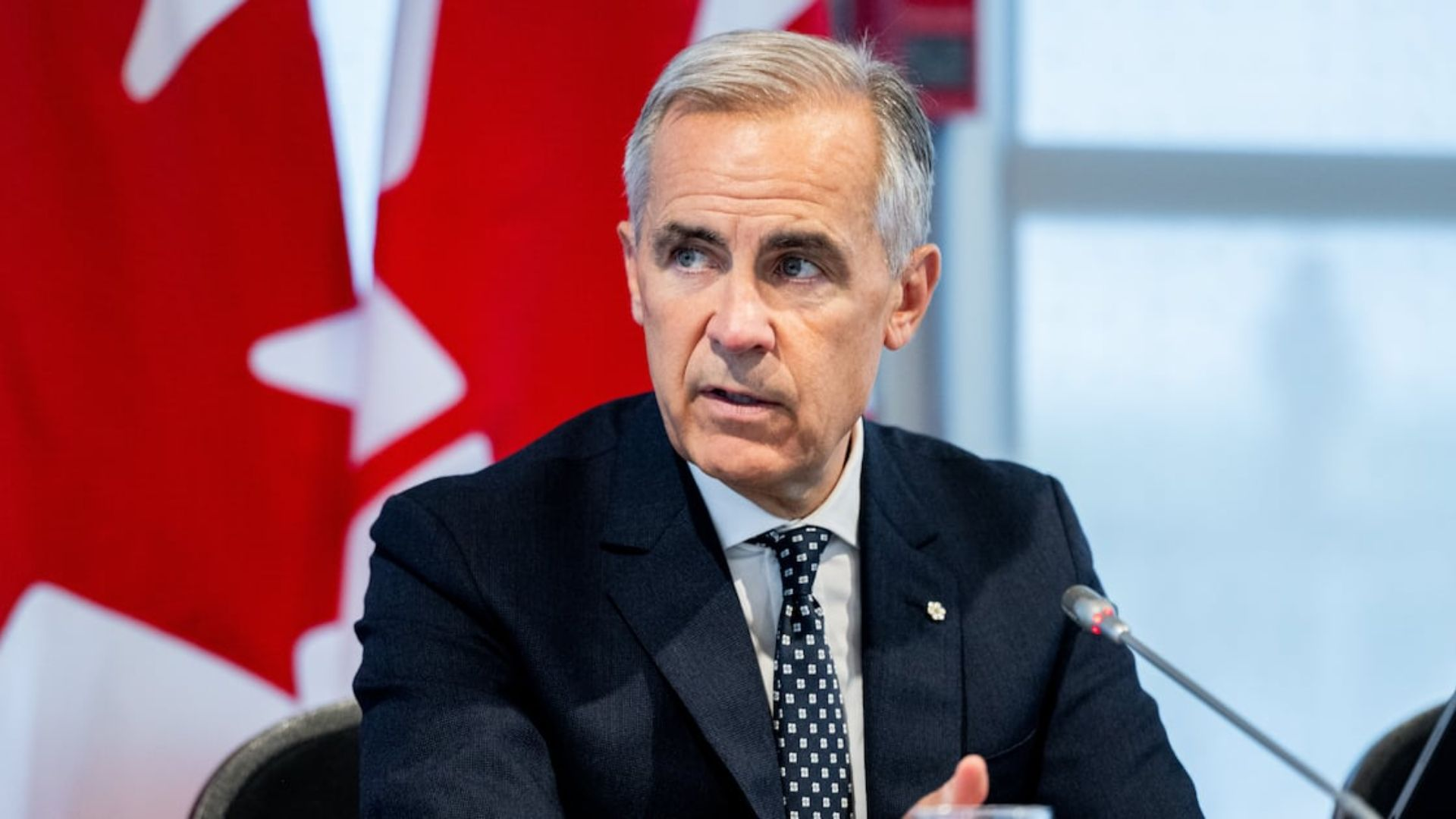
Photo courtesy: CP24
OTTAWA, Canada — Fifty-six Canadian scientists and scholars are urging Parliament to amend Bill C-39, warning that faster approvals for major infrastructure projects could weaken environmental protections and cause lasting damage to ecosystems.
In an open letter released October 22, the Royal Society of Canada fellows proposed six changes to the legislation, known as the Building Canada Strong Act.
The group supports the federal government’s efforts to attract investment, create jobs and strengthen the economy. However, the scientists said these goals should not come at the expense of wildlife, natural habitats and public health.
Introduced by Prime Minister Mark Carney’s government in September, the 243-page bill seeks to speed up approvals for major developments, including energy and transportation projects.
One of its key provisions would set a one-year timeline for federal reviews and decisions once developers submit all required documents. The legislation would also allow Ottawa to designate certain areas as regions of national interest, where eligible projects could undergo a faster approval process.
The scientists are concerned that these powers could allow projects to proceed without enough scrutiny, increasing the risk of environmental damage that may be difficult or impossible to reverse.
To address this, they want the government to retain a five-year expiry limit, known as a sunset clause, on extraordinary project approval powers.
The earlier Building Canada Act included this restriction, but Bill C-39 proposes removing it. Without the limit, the federal government could continue exercising those powers beyond the original five-year period.
The group also wants a clearer definition of regions of national interest and more time to assess projects with complex environmental risks.
Other recommendations include stronger safeguards before construction begins and full compensation for environmental damage.
University of British Columbia zoology professor Sarah Otto, one of the letter’s signatories, questioned whether the proposed changes strike the right balance between economic development and environmental protection.
Queen’s University biology professor John Smol also raised concerns about the long-term effects of weakening safeguards, particularly when damage to ecosystems could affect future generations.
The scientists pointed to potential threats to endangered species, including British Columbia’s southern resident killer whales.
They warned that exemptions from certain environmental requirements could allow projects to move forward without fully assessing their combined effects on vulnerable habitats.
The federal government, however, maintains that faster approvals do not mean weaker environmental standards.
Canada-U.S. Trade Minister Dominic LeBlanc defended the bill during parliamentary committee discussions, saying shorter review periods would not necessarily reduce oversight.
Ottawa also maintains that environmental assessments, public participation and consultations with Indigenous communities would remain part of the process.
Under the proposed system, federal regulators would assess projects within their areas of expertise, while permitting procedures would be coordinated to avoid duplication.
The government also clarified that the one-year review period would begin only after developers submit complete applications and supporting studies.
The scientists argue that some projects need more time for proper assessment, especially when they could affect endangered species or cause permanent environmental damage.
Bill C-39 passed second reading in the House of Commons on October 8 by a vote of 296 to 26 and was referred for further committee review.
As Parliament continues examining the legislation, the proposed amendments highlight the challenge of speeding up major developments while ensuring that environmental protections remain in place.