Education
DSWD plans cash assistance for college students from enrollment to graduation

ASM, Philippine Canadian Inquirer
October 27, 2026

Photo courtesy: Philippine Scholar
MANILA, Philippines — Qualified Filipino college students could receive financial assistance at three stages of their education under a new program being prepared by the Department of Social Welfare and Development (DSWD).
The initiative, called the Tuloy Program, is designed to help eligible beneficiaries enroll in college, continue their studies, and prepare for employment after graduation.
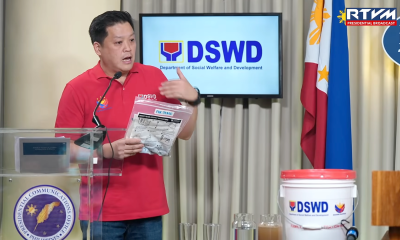
DSWD Secretary Rex Gatchalian outlined the proposal during Senate deliberations on the department’s proposed 2027 budget on October 21. He said the agency was preparing to introduce the program in December 2026.
The program will have three components: Tuloy Kolehiyo, Tuloy Aral, and Tuloy Trabaho, each providing assistance for a different stage of a student’s educational journey.
Under Tuloy Kolehiyo, qualified beneficiaries would receive a one-time ₱10,000 grant after submitting proof of college enrollment. The assistance is intended to help students manage the expenses associated with entering higher education.
The second component, Tuloy Aral, would provide an additional ₱5,000 to beneficiaries who remain enrolled and meet attendance requirements to be established by the DSWD.
Gatchalian said this assistance could supplement support received through the Tertiary Education Subsidy (TES), although the department has not clarified whether the ₱5,000 would be distributed once or periodically.
Meanwhile, Tuloy Trabaho would offer another one-time ₱10,000 grant after beneficiaries graduate from college.
The money is intended to help newly graduated students cover pre-employment expenses, including documents and other requirements needed when applying for work.
Together, the three announced assistance amounts add up to ₱25,000 when the Tuloy Aral component is counted once.
However, the ₱25,000 should not be interpreted as a single payout or a confirmed maximum benefit, since assistance would be provided at different stages and the payment frequency of Tuloy Aral remains unclear.
The proposed program is particularly intended to address the financial difficulties faced by students from low-income households, including those living in remote and geographically isolated communities.
During the budget discussions, Gatchalian explained that some students must travel long distances or relocate to cities and provincial capitals to attend college.
These arrangements can create additional expenses for accommodation, transportation, and other daily needs, making it harder for financially disadvantaged students to complete their education.
To support the initiative, the DSWD plans to strengthen its existing Enhanced Support Services Intervention (ESSI), which provides additional assistance to beneficiaries of the Pantawid Pamilyang Pilipino Program (4Ps).
Rather than seeking a separate funding allocation for Tuloy, Gatchalian said the department intends to make better use of resources already available under ESSI.
The announced beneficiaries were described as “monitored children” within the 4Ps-related support system.
However, the DSWD has not yet released complete eligibility guidelines, including whether students already attending college or those from former 4Ps households would qualify.
Application procedures, required documents, the number of available slots, and the exact date of the first payout have also not been confirmed.
For now, the Tuloy Program remains a planned initiative, with its implementation targeted for December 2026.
Students and families interested in the assistance are encouraged to monitor official DSWD announcements for the final guidelines before preparing or submitting applications.