News
When water runs scarce, the DSWD looks to the air

Floyd Brenz., Philippine Canadian Inquirer
October 04, 2026
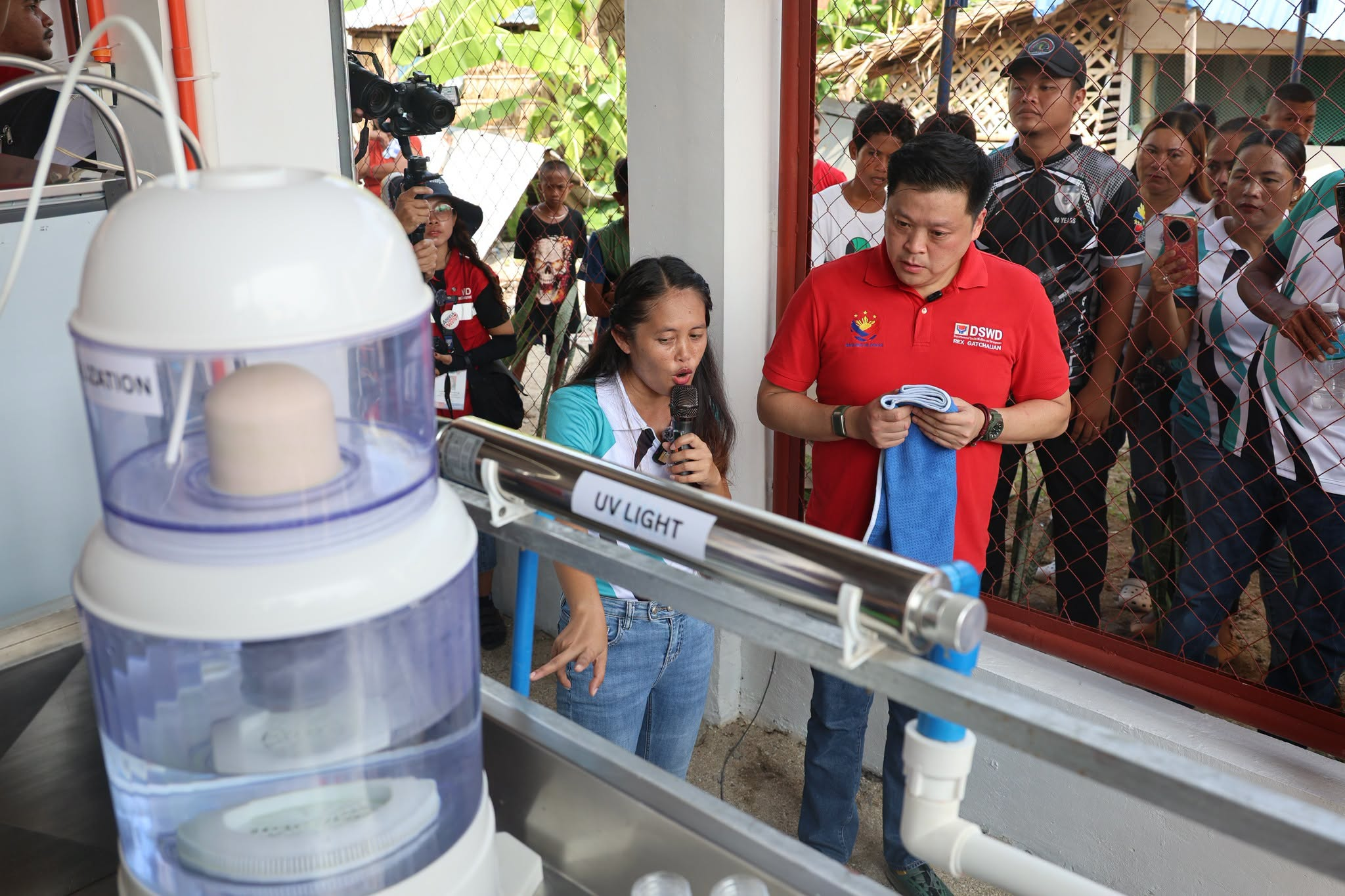
Photo Courtesy: DSWD Field Office 5 – Bicol Region
As the country braces for a potentially severe El Niño, the government is turning to an unusual source for drinking water: the air itself.
The Department of Social Welfare and Development is adopting atmospheric water technology that extracts moisture from the air and converts it into clean, potable water. The approach is being considered for communities expected to face worsening water shortages as rainfall declines.
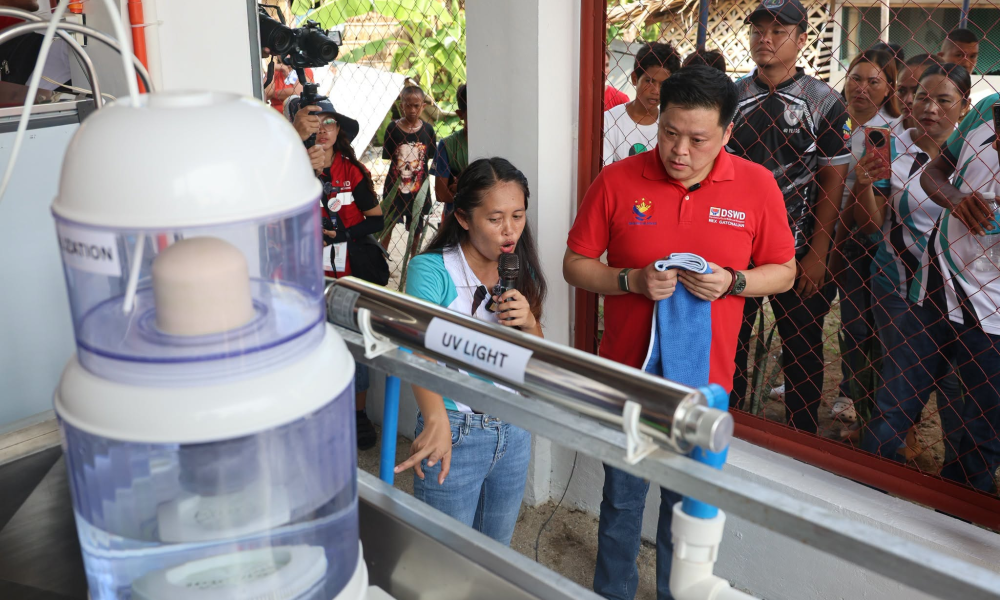
The technology is already being tested on the ground. In Cawayan, Masbate, the DSWD recently launched its first atmospheric water generator under the KALAHI-CIDSS program.
The system is powered by a hybrid energy source, including solar power, and is expected to provide an alternative water supply for more than 1,000 families. This includes residents of Gilotongan Island, where deep-well water has been found to be salty and unsuitable for drinking.
The move comes as authorities prepare for a potentially prolonged dry spell. PAGASA has warned that El Niño could bring below-normal rainfall to around 40 provinces, with the number potentially rising to 80 provinces by January.
The phenomenon could also persist until March or even June, putting additional pressure on communities that already struggle with access to safe water.
For the DSWD, the technology is part of a broader effort to prepare communities before the effects of climate-related disasters become more severe.
Rather than waiting for water shortages to deepen, the agency is exploring ways to produce potable water locally and give vulnerable communities another source of supply when traditional sources begin to run dry.
In a country preparing for months of intense heat and limited rainfall, the next source of drinking water could be closer than expected, not beneath the ground, but suspended in the air.