Canada News
Conservatives call for lower immigration targets as Carney signals future increases

ASM, Philippine Canadian Inquirer
October 04, 2026
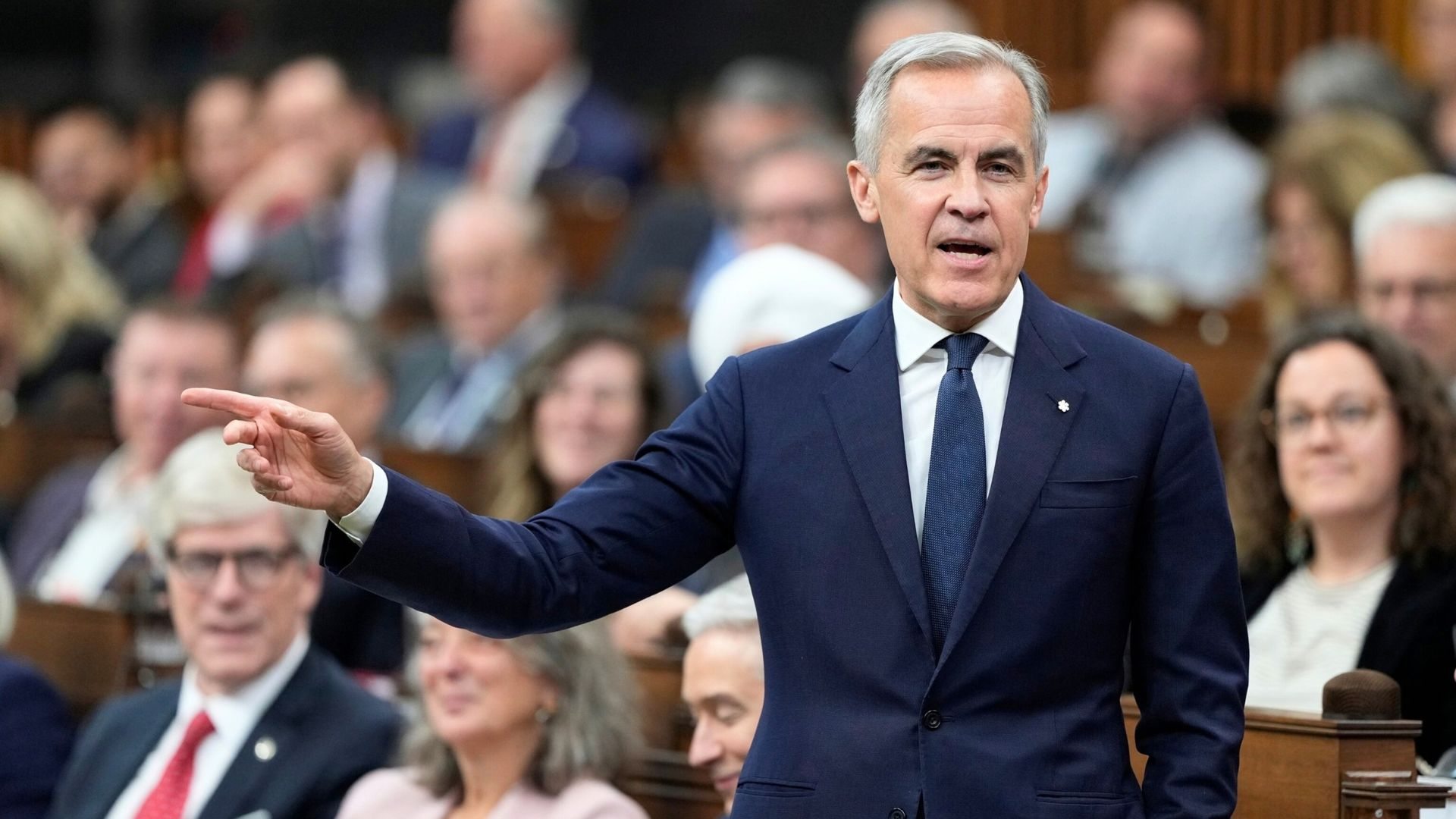
Photo courtesy: ABC News
OTTAWA, Canada — Canada’s Conservatives are urging the federal government to lower immigration targets further, after Prime Minister Mark Carney suggested Ottawa may eventually consider a controlled increase in population growth once the system is stabilized.
Conservative immigration critic Michelle Rempel Garner said Wednesday that current immigration levels should be brought down further to better match Canada’s capacity in housing, health care and the labour market. She did not provide a specific target, saying the number should be tied to the country’s ability to absorb newcomers.
Her comments followed a recent interview in which Carney said the government had made progress in bringing immigration levels under control and that the next question would be when Canada could begin allowing a measured increase in population again.
Canada’s current 2026–2028 Immigration Levels Plan sets permanent resident admissions at 380,000 annually for each of the three years. It also targets 385,000 new temporary resident arrivals in 2026, falling to 370,000 in both 2027 and 2028.
The temporary resident target for 2026 represents a 43-percent reduction from the 2025 target, according to Immigration, Refugees and Citizenship Canada. Ottawa has also committed to reducing temporary residents to less than five percent of Canada’s population by the end of 2027.
Rempel Garner argued that immigration levels should remain lower until infrastructure and public services catch up with population growth. She also said the Conservatives would place greater emphasis on enforcement and removing people who have no legal basis to remain in Canada.
The debate comes as Canada’s population growth slows sharply.
Statistics Canada estimated the country’s population at 41.8 million as of July 1, 2026, an increase of about 189,400 people, or 0.5 percent, from a year earlier. That was the lowest annual percentage growth since 1915-16.
The number of non-permanent residents also fell by 154,614 between July 2025 and July 2026, bringing the total to about 2.78 million, or 6.7 percent of Canada’s population. Statistics Canada said it was the largest annual decline in the non-permanent resident population since the early 1970s.
The federal government has said the reductions are intended to ease pressure on housing and public services while continuing to meet labour-market needs.
Economic immigration remains the largest component of the permanent resident plan, with Ottawa saying it is prioritizing workers in sectors where shortages remain.
Carney has previously said the government wants to rebuild a sustainable immigration system after reducing temporary foreign worker and international student arrivals.
The next federal immigration levels plan is expected to set targets for the coming years and will show whether Ottawa maintains its current reductions or begins adjusting them upward.