Headline
When staying dry is not an option, how is the government protecting Filipinos from leptospirosis

Floyd Brenz., Philippine Canadian Inquirer
September 09, 2026
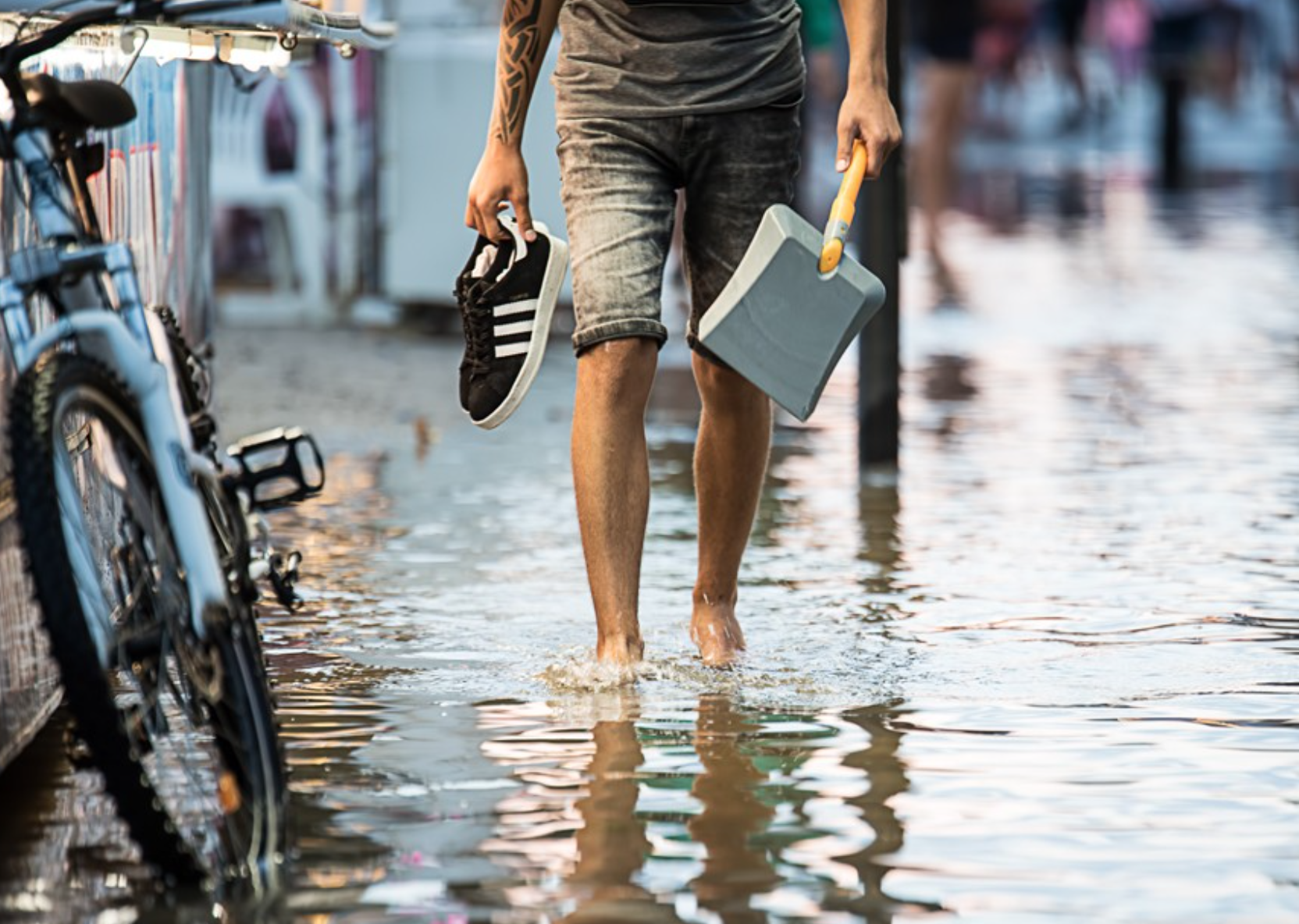
Photo Courtesy: St. Luke’s Medical Center
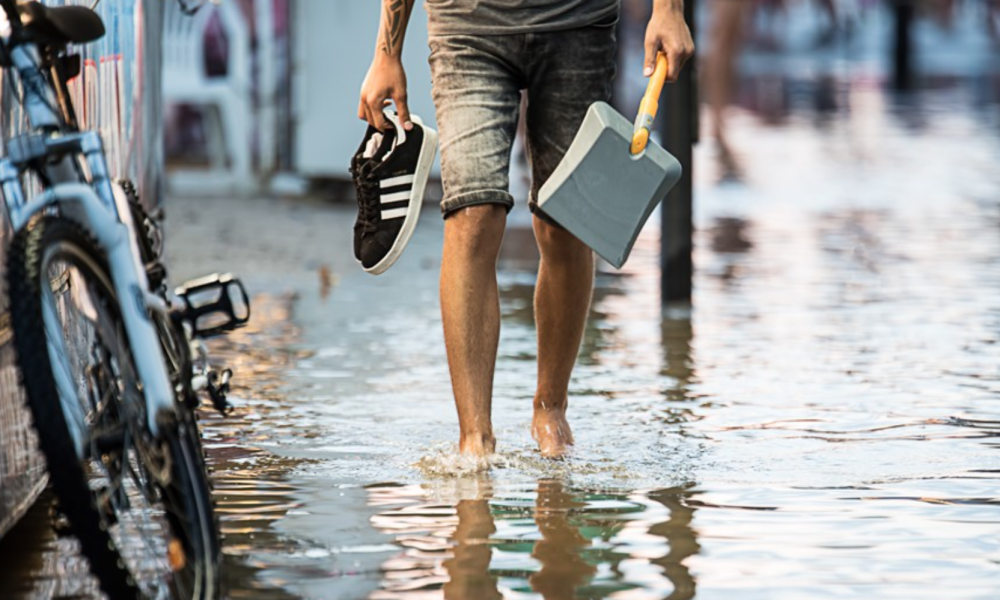
PHILIPPINES – For many Filipinos, avoiding floodwaters is easier said than done. For daily wage earners, delivery workers, transport workers and cleanup crews, stepping into the water can mean the difference between earning for the day and going home empty handed.
That is why the Department of Health is stepping up community surveillance and outreach in flood affected areas as it responds to the growing threat of leptospirosis.
Health Secretary Edwin Mercado said health teams and barangay health workers are going house to house to identify people who face repeated exposure to floodwaters and determine who may need preventive treatment.
The DOH is providing doxycycline prophylaxis based on the frequency and circumstances of exposure, while residents can also seek consultation and prescriptions through YAKAP clinics and the GAMOT program.
But the challenge goes beyond medicine. As hospitals in heavily affected areas face pressure from rising cases, the DOH is using a leptospirosis tracker to monitor available beds and coordinate patient transfers.
Patients who are already stable can be moved to lower level facilities, allowing major hospitals to reserve their limited capacity for those who need intensive treatment, including dialysis.
The government’s response is therefore taking place both on the streets and inside hospitals, reaching people before illness strikes while making room for those who are already critically ill.
And for Filipinos whose livelihoods force them into floodwaters, the warning is especially urgent: when avoiding the flood is not an option, getting the right protection and seeking medical advice early can be.