Headline
Filipinos keep drowning while politicians keep promising

Floyd Brenz., Philippine Canadian Inquirer
August 19, 2026
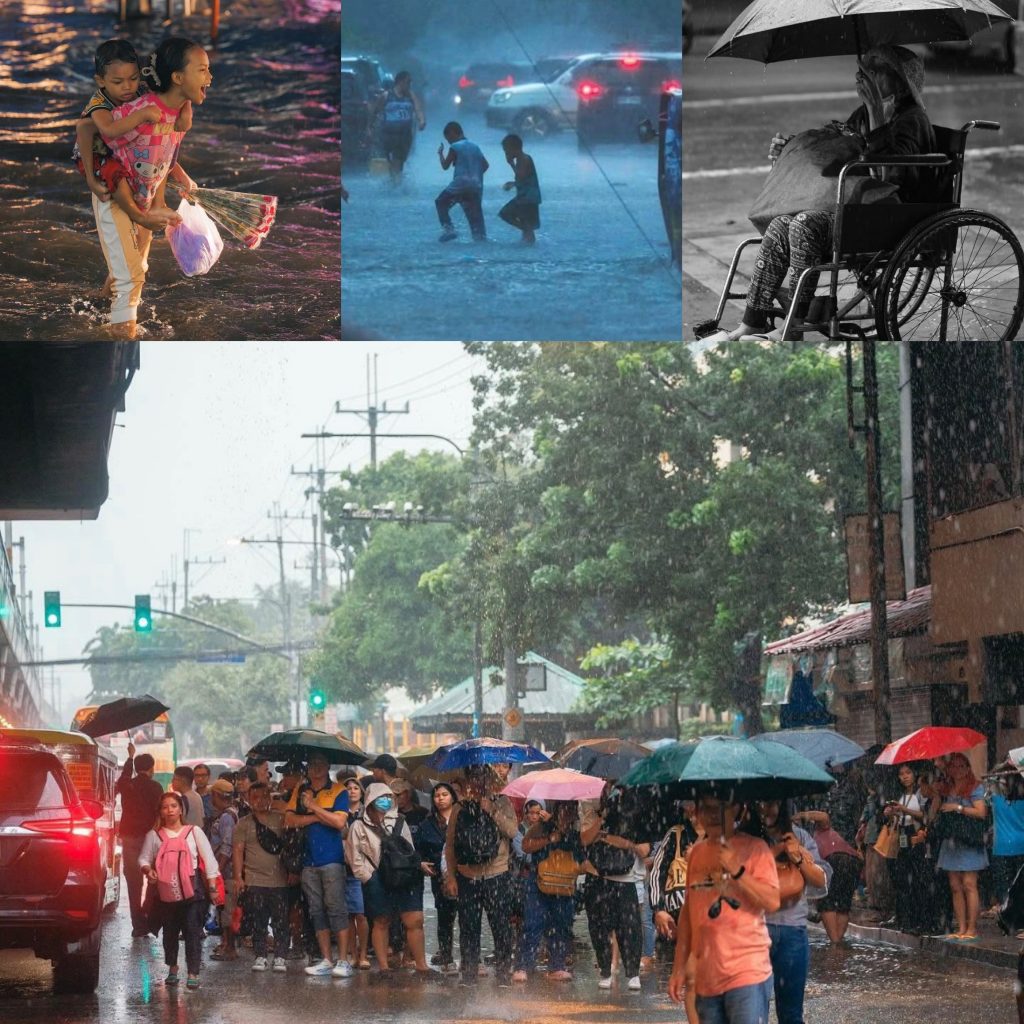
Photo Courtesy: Jilson Tiu
MANILA, Philippines — Every time the rain becomes relentless, the country seems to follow the same familiar script.
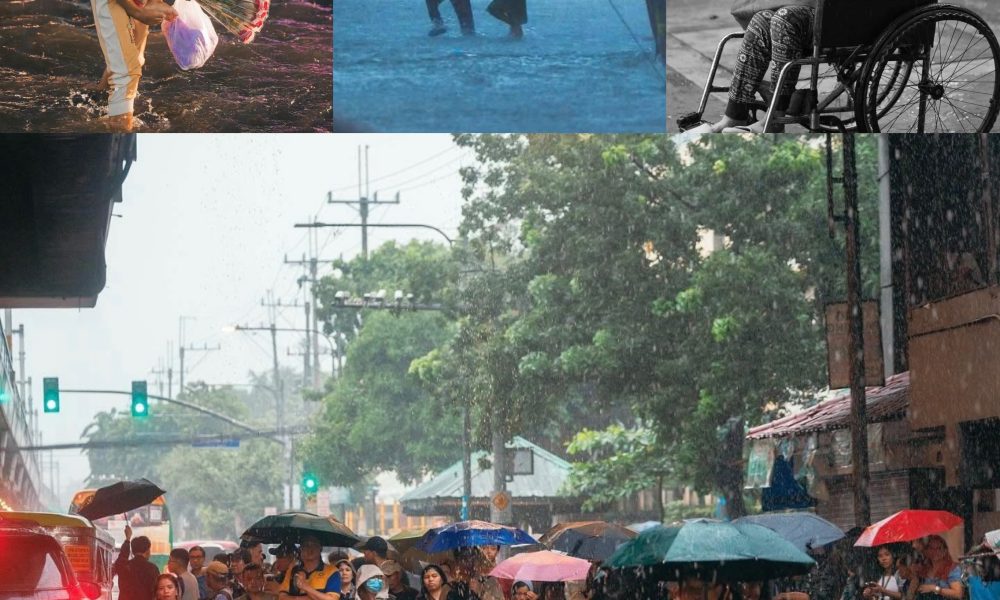
The skies darken. Rivers rise. Roads disappear beneath floodwaters. Classes are suspended. Families are evacuated. Rescue teams are deployed. Relief goods are distributed. Government officials visit flooded communities and assure the public that help is on the way.
Then the rain stops.
The water recedes.
Life slowly returns to normal.
Until the next storm.
For many Filipinos, flooding has become more than a seasonal disaster. It has become a cycle, heavy rain, flooding, rescue, relief and recovery, only to face the same crisis again months later.
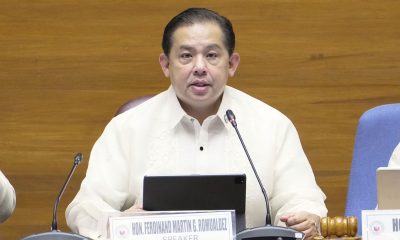
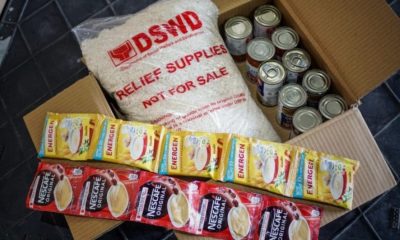
Government assistance is necessary. Food, water, shelter and emergency operations can mean survival for families caught in disasters.
But relief can only address what has already happened.
It cannot prevent the next flood.
Billions of pesos have been poured into flood-control and infrastructure projects over the years, yet communities continue to go underwater whenever heavy rains arrive.
That raises a difficult question: Where did the money go, and why are many communities still facing the same problem?
The Philippines will always face typhoons, monsoon rains, earthquakes and other natural hazards. But disasters become more devastating when communities remain vulnerable and long-term solutions are delayed.
And accountability does not end with government officials.
It also belongs to voters.
Every election, Filipinos decide who will control public funds, oversee infrastructure and make decisions that affect disaster preparedness. Yet too often, elections become contests of popularity, political machinery and promises.
We vote for familiar names. We vote for personalities. Sometimes, we vote without asking what a candidate has actually accomplished.
When floodwaters enter our homes, political colors disappear. The water does not care who we voted for.
But the officials we elect can determine whether communities are properly protected before disaster strikes.
Filipinos should not have to be called “resilient” simply because they are repeatedly forced to endure the same failures.
The country needs more than relief goods, temporary repairs and promises. It needs functioning drainage systems, properly maintained waterways, effective flood-control infrastructure, early-warning systems and long-term planning.
Most importantly, it needs accountability.
Because every peso wasted on a failed project is money that could have protected a community.
The Philippines cannot control the rain.
But it can control how prepared its people are when the rain comes.
So when the floodwaters recede, the question should not only be how much relief was distributed.
We should ask why so many families were left vulnerable in the first place.
Because if every disaster ends with relief, repair and promises, and the next one begins exactly where the last one ended, then we are not solving the problem.
We are simply putting a bandage on a wound that has never truly been treated.