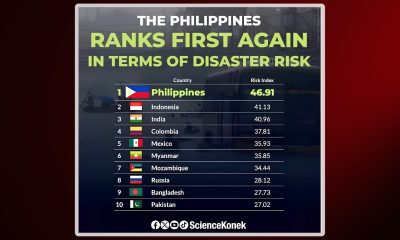
Headline
Filipinos deserve protection, not just aid after every flood

Abi Sarabia M., Philippine Canadian Inquirer
August 31, 2026
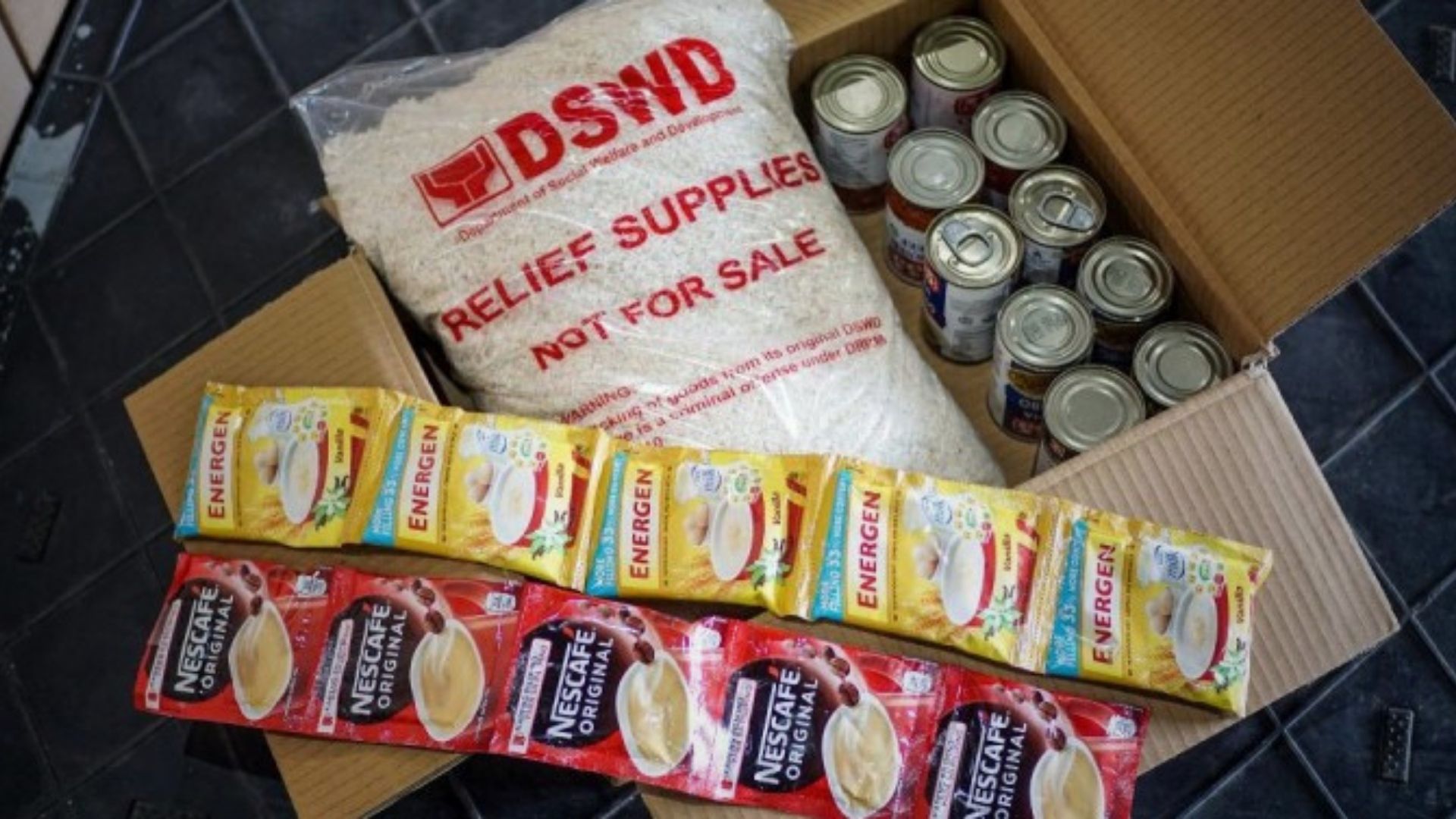
Photo courtesy: Philippine News Agency
This is not what Filipinos deserve.
Every product they buy, every service they use and nearly every transaction they make comes with a tax, fee or government charge. Filipinos contribute to public funds throughout their lives with the expectation that these resources will be used to protect their communities and provide reliable public services.
But after everything they pay, what do they receive in return?
Collapsed bridges. Submerged homes. Waist-deep floodwaters. Damaged roads. Expressways that become impassable whenever heavy rain falls.
Then, after families lose their homes, livelihoods and belongings, the government arrives with aid.
Relief assistance is essential during emergencies. Food packs, clean water and temporary shelter can help families survive their most difficult days. But aid should never be treated as proof that the government has done enough.
Is 10 kilograms of rice an adequate return for the taxes Filipinos pay year after year?
What are motorists paying toll fees for if roads and expressways become damaged, flooded or impassable during severe weather?
Filipinos do not need a government that becomes visible only after disaster strikes. They need one that prepares before lives are placed in danger.
That means building reliable roads and bridges, maintaining effective drainage systems, completing legitimate flood-control projects and preventing public funds from being wasted on substandard or nonexistent infrastructure.
It also means enforcing land-use and environmental regulations, identifying high-risk communities and giving residents enough time and support to evacuate before conditions become deadly.
Heavy rainfall and typhoons cannot always be prevented. But poor preparation, neglected infrastructure and weak implementation can turn natural hazards into devastating human disasters.
Year after year, Filipinos are trapped in the same cycle: they pay taxes, suffer through floods, lose their homes and livelihoods, and then wait for emergency assistance.
That cycle should never be accepted as normal.
The quality of public service should not be measured by the number of relief packs distributed after communities are destroyed. It should be measured by how many lives, homes and livelihoods were protected before disaster struck.
Filipinos are not asking for special treatment. They are asking for the safety, infrastructure and accountability their taxes are supposed to provide.
They work hard. They pay their dues. They do their part.
They deserve a government that does its part, too.
Filipinos deserve more than aid after every disaster. They deserve preparation, protection and public service they can depend on.
This is not what Filipinos deserve.