Headline
DOJ confident US extradition request against Quiboloy will be granted by court

Abi Sarabia M., Philippine Canadian Inquirer
August 14, 2026
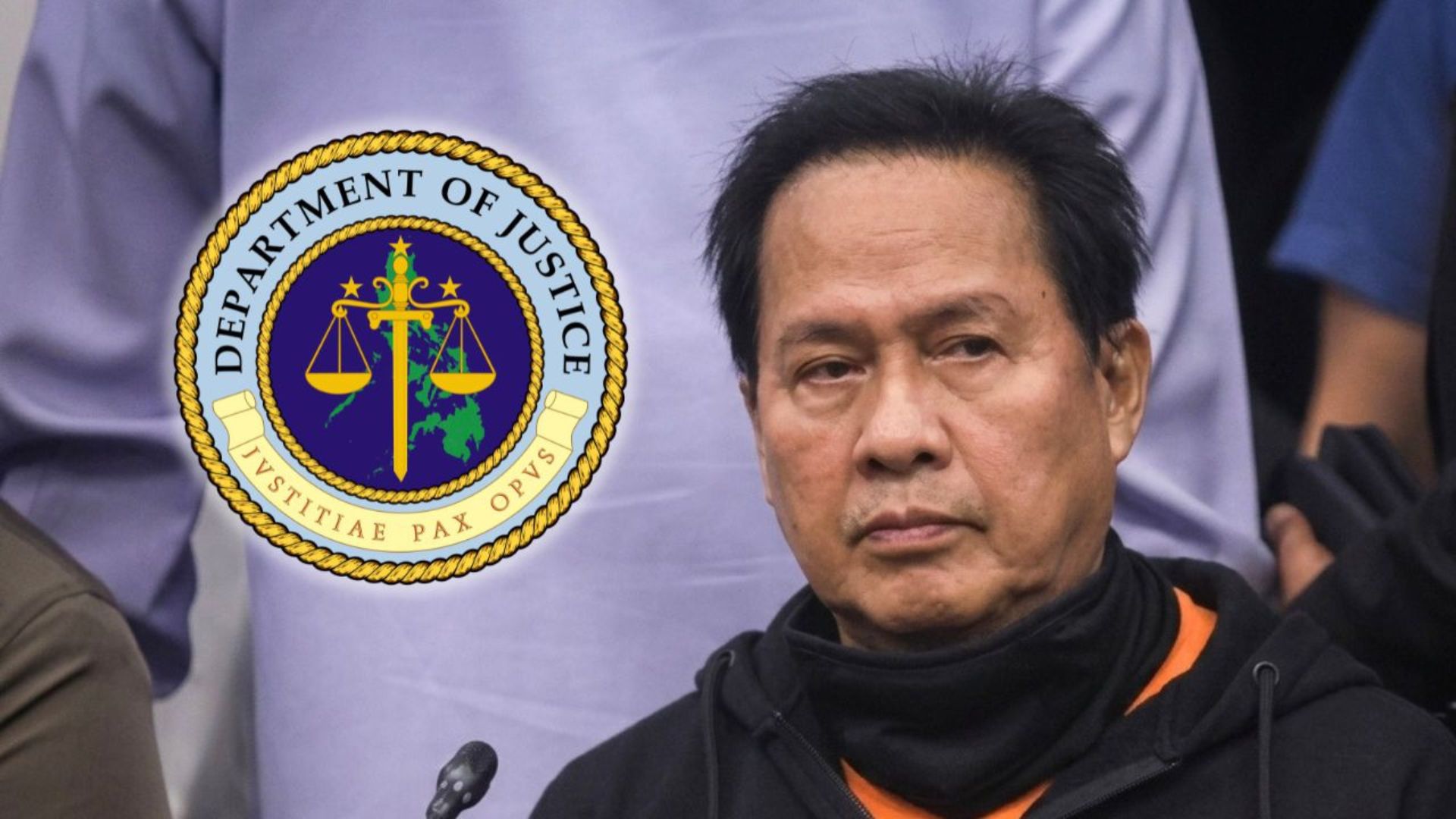
Photo courtesy: Philippine News Agency
Manila, Philippines – The Department of Justice said it is confident that Philippine courts will grant the extradition request filed by the United States against Kingdom of Jesus Christ founder Apollo Quiboloy and two other respondents, as the agency began reviewing the formal request received earlier this month.
The DOJ received the formal extradition request from the US on August 7 and is currently studying the document, according to Chief State Counsel Atty. Dennis Arvin Chan.
“So long as the requirements under the extradition treaty are met through the documents that we will be filing, then we are confident that extradition will be granted,” Chan said.
Chan said the review covers several requirements under the extradition treaty between the Philippines and the US, including confirming the identity of the person being sought, and establishing dual criminality, meaning the offense the person is charged with abroad must also be considered a crime under Philippine law.
The review also covers whether the offense carries a penalty of at least one year of imprisonment, whether the case has not lapsed under the statute of limitations in US law, and whether authorities can guarantee that Quiboloy will not face the death penalty if convicted.
“But we understand that this is an issue of national interest and we will just try to hasten our action on this because I know that the public is keenly and closely monitoring the development,” Chan added.
Once the review is completed, the DOJ may file a petition for extradition in court, or wait for the outcome of the local criminal cases Quiboloy is currently facing in the Philippines. Chan said the proceedings could take a matter of months rather than years.
He added that the extradition process can move forward even while a respondent has a pending criminal case in the Philippines, citing Article 11 of the RP-US extradition treaty.
“It will allow for a simultaneous processing so what I’m saying is we can file the petition for extradition, it can be heard by the trial court, and at the same time, the criminal cases that Mr. Quibuloy is facing can also run at the same time,” Chan said, adding that the next steps once a court orders extradition would still need to be studied further by his office.
Chan said that even if the extradition request is granted, Quiboloy’s camp may still file an appeal.
On costs, Chan said the Philippine government will shoulder expenses related to filing the extradition case, while the requesting country, in this case the US, will cover the cost of transferring the individual once extradition is carried out.
Quiboloy is facing qualified human trafficking charges and violations of the Special Protection of Children Against Abuse, Exploitation and Discrimination Act in the Philippines.