Canada News
B.C. Conservatives face tough choices as tax cuts and deficit reduction collide

Floyd Brenz., Philippine Canadian Inquirer
October 29, 2026

Photo Courtesy: CBC News
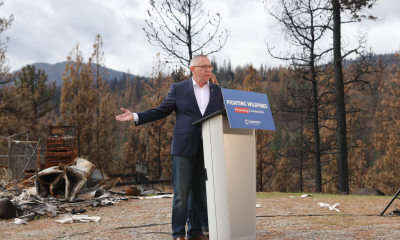
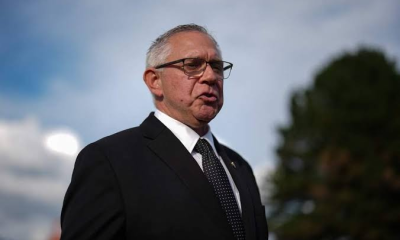
British Columbia’s premier-designate Lorne Doerkson faces a difficult balancing act as his incoming Conservative government prepares to deliver on promises of tax relief, a smaller budget deficit and faster economic growth.
Economists warn that achieving all three goals simultaneously could prove challenging, particularly as the province confronts a projected $14-billion deficit and uncertainty surrounding its economic outlook.
One of the Conservatives’ key campaign promises is to raise the basic personal income tax exemption to $32,000, which the party estimates would save most working British Columbians about $1,000 annually.
The party also pledged to reduce the deficit by stimulating economic growth, projecting that the provincial economy could expand by 3.2 percent by 2029. Its platform estimates that stronger growth could generate an additional $2.62 billion in revenue without increasing taxes.
However, economists question whether the government’s growth assumptions are realistic and warn that tax cuts could make the province’s financial position more difficult to manage.
Werner Antweiler, an economics professor at the University of British Columbia, said lowering taxes while trying to repair the budget presents competing objectives. He argued that the government may need to reconsider the timing of some campaign commitments after reviewing the province’s finances.
Marc Lee, a senior economist with the Canadian Centre for Policy Alternatives, said government spending has also helped sustain economic activity in British Columbia. Cutting expenditures too aggressively could weaken growth at a time when trade uncertainty and changes in immigration are putting pressure on the economy.
Jairo Yunis, policy director at the Business Council of British Columbia, pointed instead to the expansion of public-sector employment and called for a comprehensive review of government programs, spending priorities and potential duplication.
Yunis said spending reductions could form a significant part of the effort to narrow the deficit, alongside stronger economic growth and tighter control of government expenditures.
The Conservatives’ election platform, however, provides limited detail on which programs or services could face cuts.
The incoming administration must also consider the consequences of reducing public-sector spending. Antweiler cautioned that changes involving health care, education and public safety could affect service quality, while reductions in a heavily unionized workforce could trigger labour disputes.
Economists also offered differing views on how the province should raise revenue and improve its fiscal position. Suggestions included reviewing resource royalties, considering changes to the tax system and encouraging private investment.
Doerkson has pledged to appoint a panel to examine the province’s finances before presenting his government’s first budget. The review is expected to help determine how the administration can pursue its economic commitments while addressing the deficit.
The challenge will be translating campaign promises into a workable fiscal plan. While the Conservatives have secured a majority government, economists say difficult decisions over spending, taxation and the pace of economic growth are likely to shape the incoming administration’s first months in office.