Headline
Senate weighs resolution condemning Chinese envoy’s threatening remarks

ASM, Philippine Canadian Inquirer
October 19, 2026
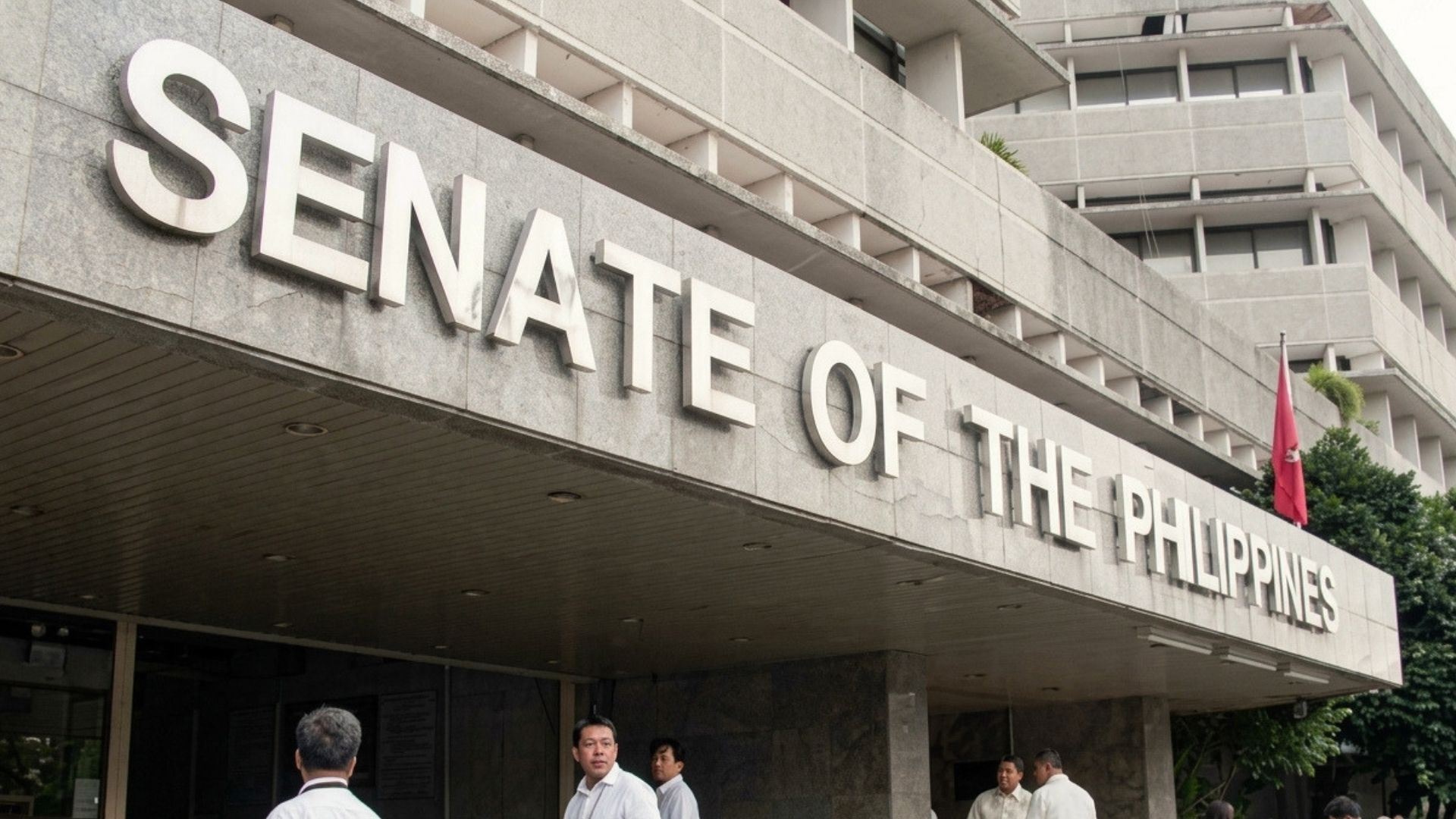
Photo courtesy: BusinessWorld
MANILA, Philippines — The Senate majority bloc is considering a resolution condemning Chinese Ambassador to the Philippines Jing Quan over remarks suggesting that China could defeat the Philippines in a military confrontation, further intensifying diplomatic tensions between Manila and Beijing.
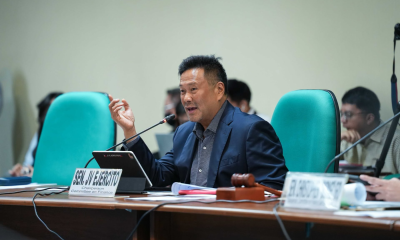
Senate Senior Majority Leader JV Ejercito said lawmakers have already discussed the proposed resolution, which could be formally introduced when Congress resumes its sessions on November 9, 2026.
Ejercito criticized Jing’s statements as hostile and inappropriate for a diplomat, saying such remarks could further strain relations between the two countries amid continuing disputes in the West Philippine Sea.
The senator also called for the ambassador’s replacement, arguing that Beijing should appoint a diplomat capable of helping improve relations with Manila.
Chinese ambassador’s remarks draw criticism
The controversy began after Jing commented on China’s military capabilities during an interview with Philippine journalists on October 15.
Responding to criticism from Defense Secretary Gilberto Teodoro Jr., the ambassador suggested that China could prevail in a military confrontation with the Philippines but maintained that Beijing preferred peaceful relations.
“If we want to use force, we may easily win. But no, we will not choose force and we love peace,” Jing said.
The remarks prompted criticism from Philippine officials, who interpreted them as an implied threat against the country.
President Ferdinand Marcos Jr. said the statement appeared threatening, while the Department of Foreign Affairs (DFA) described it as a thinly veiled threat involving the possible use of force.
The DFA also reminded foreign diplomats to exercise restraint and avoid language that could aggravate tensions between countries.
Ejercito calls for ambassador’s replacement
Ejercito maintained that the ambassador’s language was unacceptable, particularly given the continuing maritime disputes between the Philippines and China.
He said the remarks were not only undiplomatic but also counterproductive to efforts to maintain constructive bilateral relations.
The senator believes replacing Jing could help prevent further deterioration in diplomatic relations.
However, the planned Senate resolution remains under discussion, and no final action has been taken on the proposed censure as of October 19.
Jinggoy Estrada urges diplomatic restraint
While several lawmakers have criticized the Chinese envoy, Senator Jinggoy Estrada cautioned against immediately declaring Jing persona non grata.
Estrada acknowledged concerns surrounding the ambassador’s remarks but warned that expelling a foreign diplomat could carry serious consequences for Philippine-China relations.
He emphasized the importance of keeping diplomatic channels open, even as the Philippines continues to assert its maritime rights.
For Estrada, the country’s position should remain anchored on international law, particularly the 2016 South China Sea arbitral ruling, rather than an exchange of hostile statements.
His position highlights differing views among senators on how the government should respond to the diplomatic controversy.
Chinese Embassy disputes Philippine interpretation
The Chinese Embassy, meanwhile, rejected accusations that Jing had threatened the Philippines.
It maintained that the ambassador’s remarks had been taken out of context and accused critics of selectively interpreting his statements.
The embassy also challenged lawmakers who were calling for Jing to be declared persona non grata.
In a subsequent statement, the embassy expressed willingness to improve relations with the Philippines and address differences through dialogue.
The proposed Senate resolution comes amid continuing tensions over the West Philippine Sea, where the Philippines and China maintain competing maritime claims.
The Senate is expected to revisit the matter when plenary sessions resume on November 9, although no resolution has yet been formally approved concerning Jing’s latest remarks.