Headline
Senate finance chief flags P206-B House changes to 2027 budget

ASM, Philippine Canadian Inquirer
October 15, 2026
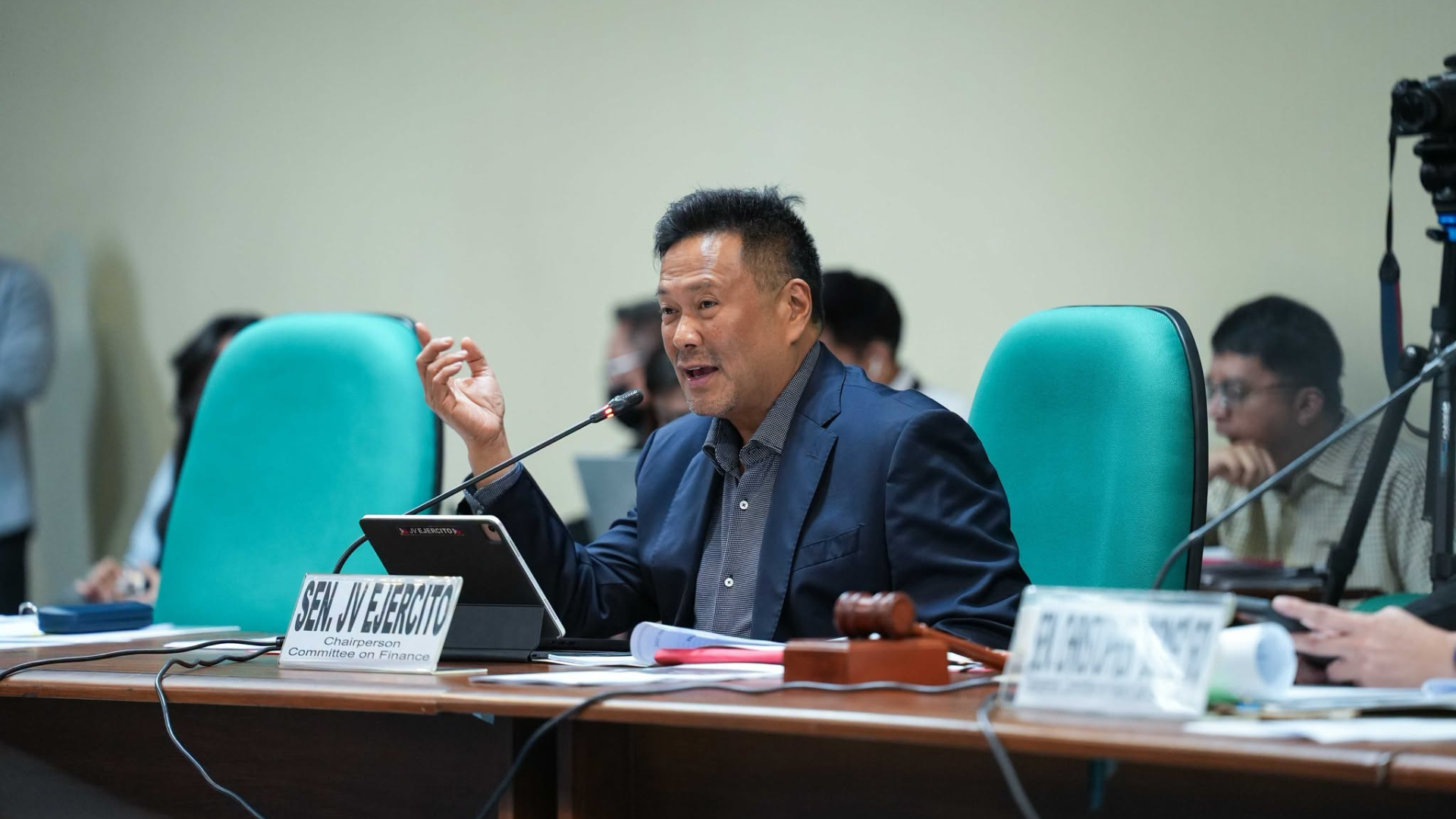
Photo courtesy: Sen. JV Ejercito FB Page
MANILA, Philippines — Senate finance committee chairman JV Ejercito has flagged an estimated ₱206 billion in changes made by the House of Representatives to the proposed ₱7.2-trillion national budget for 2027, raising concerns over reduced allocations for foreign-assisted infrastructure, disaster response and preventive health programs.
Ejercito arrived at the figure after the Senate received the House-approved General Appropriations Bill and began comparing it with the National Expenditure Program originally submitted by the executive branch.
The ₱206 billion refers to funds that Ejercito estimates were realigned or altered within the spending plan and does not represent an additional ₱206 billion on top of the proposed ₱7.2-trillion budget.
The largest adjustment he identified was an estimated ₱130-billion reduction in foreign-assisted projects, which include infrastructure supported by financing agreements with development partners such as the Japan International Cooperation Agency and the Asian Development Bank.
Among the projects covered by these arrangements is the Metro Manila Subway. Ejercito expressed concern that insufficient counterpart or project funding could further delay major infrastructure already backed by international loans.
He also questioned a ₱9.5-billion reduction in the Calamity Fund as the Philippines faces heightened risks from a strong El Niño and other natural hazards.
Health programs face reductions
Ejercito also raised concerns over changes in the Department of Health budget, particularly reductions in programs focused on prevention and public health infrastructure.
Based on his review, the House version cut the Health Facilities Enhancement Program by ₱4.5 billion, the immunization program by ₱4 billion and health-promotion initiatives by ₱2 billion.
At the same time, funding for the Medical Assistance to Indigent and Financially Incapacitated Patients program, or MAIFIP, increased by ₱23.9 billion.
Ejercito, one of the principal authors of the Universal Health Care Act, questioned the shift toward medical assistance while preventive programs received lower allocations, stressing the role of prevention under the country’s universal health care framework.
DPWH allocations reshuffled
Changes were also recorded under the Department of Public Works and Highways.
Funding for right-of-way acquisition was reduced by about ₱2.6 billion, while allocations for flood-mitigation structures within major river basins went down by roughly ₱4.6 billion.
Other DPWH items received additional funding. General construction and maintenance gained about ₱13 billion, while overall flood-mitigation projects received an additional ₱8.04 billion.
Ejercito said the Senate would closely examine flood-control appropriations and require Regional Development Council approval for projects. He also said the chamber intends to avoid lump-sum flood-control allocations and prioritize unfinished projects in major river basins and areas considered highly prone to flooding.
House cites transparent review process
The House, meanwhile, has maintained that proposed changes to the 2027 spending plan underwent a public review process.
Its Budget Amendments Review Subcommittee, or BARSc, examined amendments arising from agency requests and recommendations made during committee and plenary deliberations. The House said the process formed part of its efforts to improve transparency and accountability in budget deliberations.
Among the programs considered during the review were school safety initiatives, MAIFIP, assistance for farmers and fisherfolk, transport fuel subsidies and research services for Project NOAH. BARSc proceedings were also livestreamed for public access.
The Senate has now begun its own scrutiny of the House-approved spending bill.
Finance subcommittees have until October 23 to submit their reports, while consultations with civil society organizations and watchdog groups are scheduled for October 26.
Ejercito said he plans to sponsor the Senate finance committee report on November 11, with plenary deliberations targeted to begin on November 23. The Senate may still introduce amendments before its version is reconciled with the House bill through the bicameral conference committee.
Lawmakers are targeting completion of the 2027 national budget process before the end of the year.