Headline
Senator Raffy Tulfo seeks Senate inquiry into Pax Silica Hub amid growing concerns

Abi Sarabia M., Philippine Canadian Inquirer
August 12, 2026
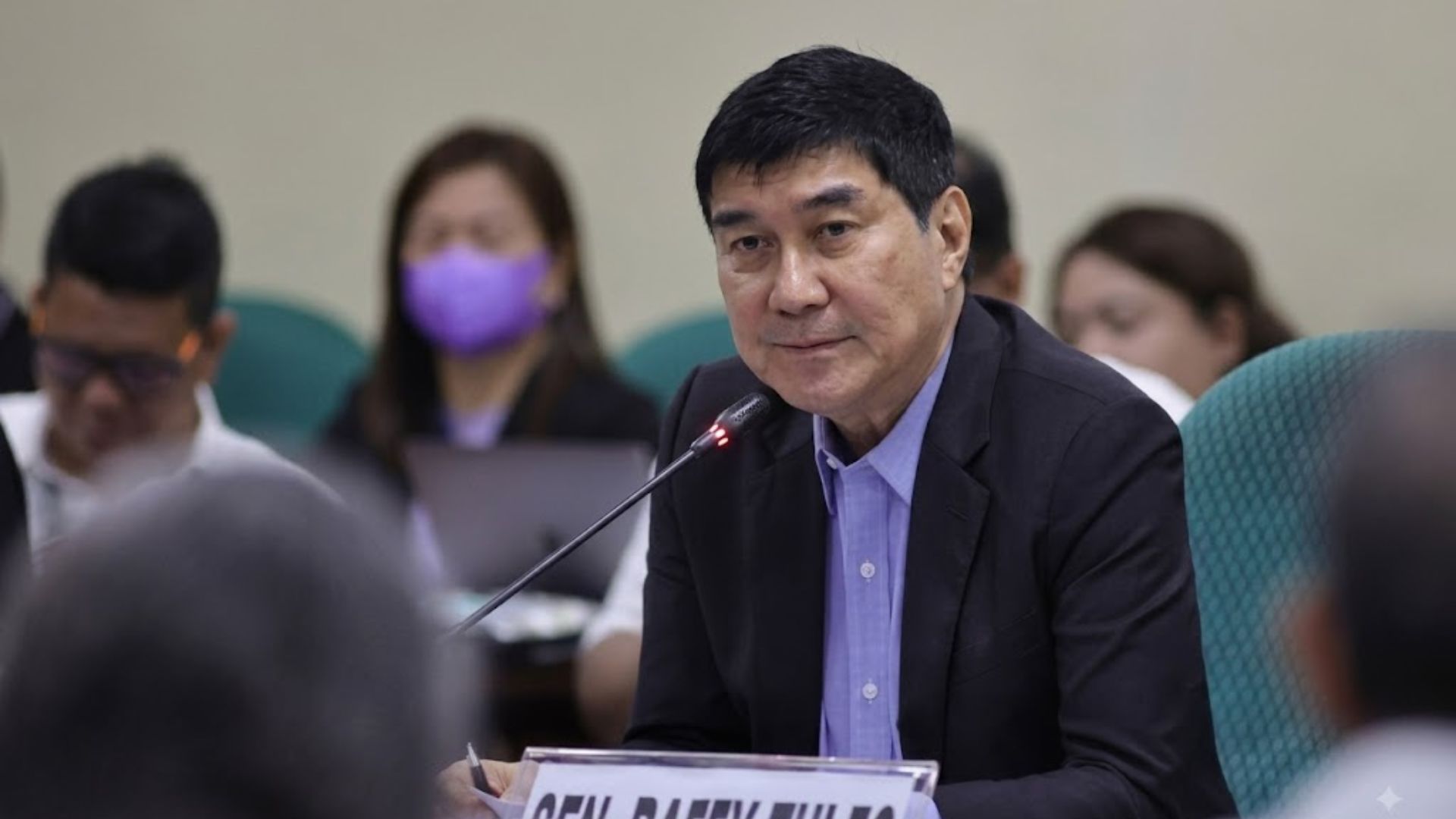
Photo courtesy: Philippine News Agency
Sen. Raffy Tulfo has called for a Senate investigation into the proposed Pax Silica industrial hub in New Clark City, Tarlac, pushing for a full review of its economic, environmental, social, technological, and national security implications.
Tulfo, who chairs the Senate Committee on Environment, Natural Resources and Climate Change, filed Senate Resolution No. 571 as questions mount over the project’s land and resource requirements, its impact on nearby communities, and whether it will actually benefit ordinary Filipinos in the long run.
The proposed 1,620-hectare complex is part of the U.S.-led Pax Silica initiative, which aims to build secure supply chains for artificial intelligence, semiconductors, critical minerals, advanced manufacturing, and digital infrastructure. President Ferdinand Marcos Jr. has endorsed the project, which has been pitched as a potential game-changer that could position the Philippines as a regional hub for advanced computing and high-value tech industries.
In a privilege speech, Tulfo said the inquiry should determine whether the country’s existing laws and regulatory safeguards are strong enough to handle a project of this scale, especially one involving emerging technologies like AI and semiconductor manufacturing.
As a cautionary example, Tulfo brought up Chuangxing Steel Incorporated, a manufacturing plant in Pampanga that authorities eventually raided over substandard output. His concern: the company had a long track record of environmental violations, yet it stayed in business for years.
He blamed a regulatory gap between two levels of government, the local government unit kept issuing Chuangxing its business permits, while the DENR’s response never went beyond issuing violation notices.
Tulfo argued that Pax Silica is roughly 300 times the size of Chuangxing, and said the country needs to ask hard questions before committing to a project of that magnitude. He also raised concerns over the facility’s expected water consumption and the quality of the more than 130,000 jobs the government has promised the project will generate.
“Estimates are not guarantees,” Tulfo said, adding that if the government is promising jobs, livelihood, and revenue, those commitments should be clearly written into the agreement itself.
Tulfo also raised the potential toll on farmers, indigenous communities, and residents near the proposed site, asking who ultimately benefits from this kind of economic activity and who ends up shouldering its costs.
The resolution specifically calls for examining the project’s employment projections, workforce development plans, and skills requirements, while also ensuring that indigenous peoples, local communities, and civil society groups are given a genuine voice in the planning and implementation process.
Tulfo isn’t alone in raising red flags. Senators Risa Hontiveros and Imee Marcos have filed similar measures seeking to investigate the Pax Silica initiative.
Tulfo’s brother, Sen. Erwin Tulfo, also spoke in support of the resolution, saying he backs Pax Silica in principle but believes the public deserves clear answers from the government and relevant agencies – particularly on how it will affect electricity and water supply, before it moves forward.
Senate Resolution No. 571 is now up for deliberation. If the inquiry proceeds, it would give lawmakers a formal venue to assess whether the Philippines has the regulatory capacity to oversee a project of Pax Silica’s scale before construction and operations get underway.