Headline
Philippine Supreme Court denies bid to force release of Senate’s draft flood-control report

Abi Sarabia M., Philippine Canadian Inquirer
August 13, 2026
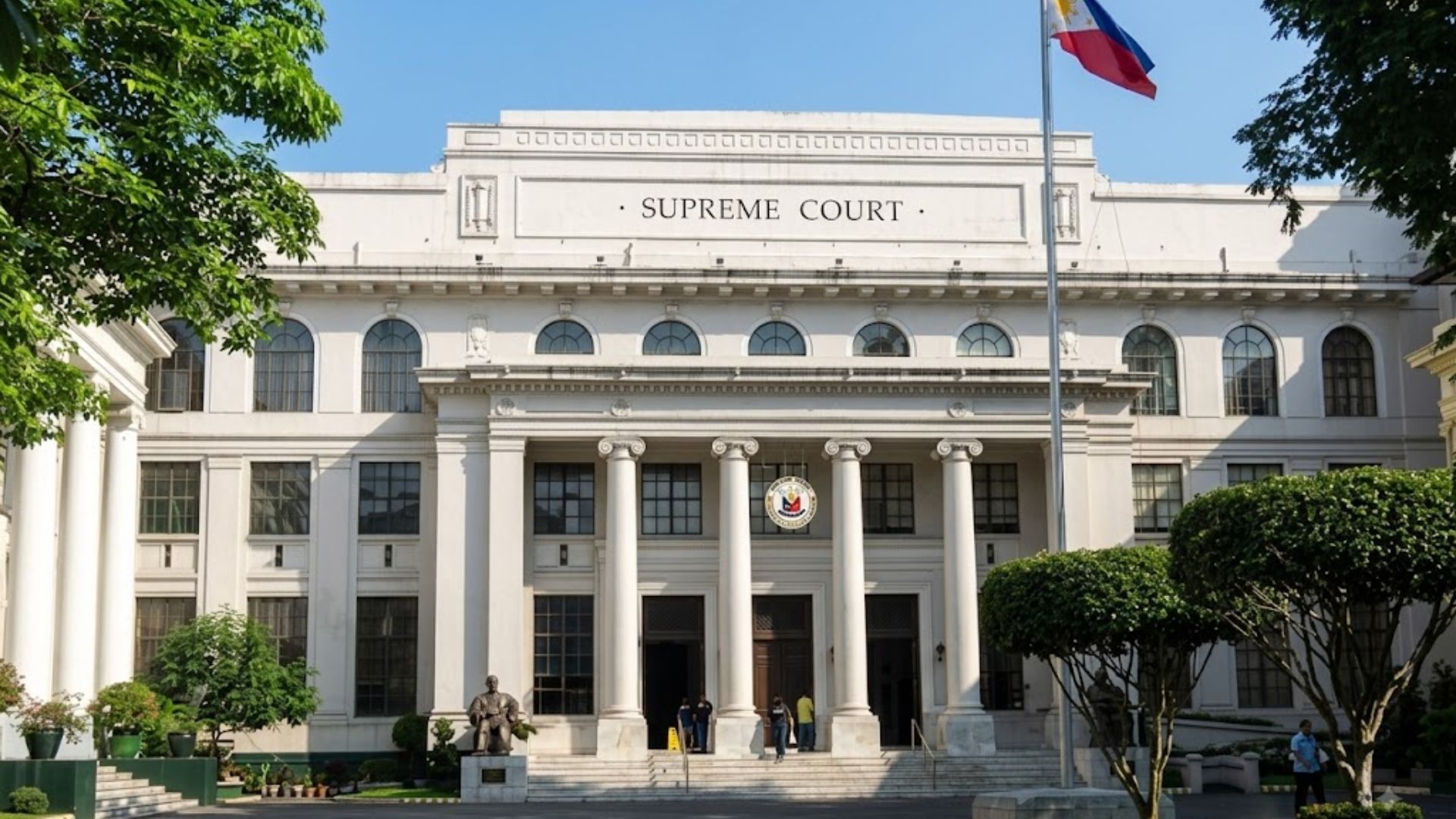
Photo courtesy: Philippine News Agency
The Supreme Court has dismissed a petition seeking to compel the Senate Blue Ribbon Committee to release the full, unredacted version of its draft partial committee report on alleged irregularities in flood-control projects across the Philippines, ruling that withholding the unfinished document did not violate the constitutional right to information.
The petition was filed by several members of the Philippine Bar after portions of the draft report reportedly leaked to media outlets in February. The petitioners had asked the Court to issue a writ of mandamus directing the Senate panel to make the complete document public.
In denying the petition, the Supreme Court said a writ of mandamus can only be used to compel a public official to perform a “ministerial duty” — an act clearly required by law. The Court found no constitutional or legal provision obligating the Senate committee to release a report that remains in draft form and has not been finalized.
The Court also clarified that the constitutional right to information is not absolute. It said the right carries recognized limitations, including protection for the internal deliberations of government officials while a matter is still under discussion and no final decision has been reached.
According to the ruling, this limitation exists to allow officials to freely exchange views and tentative positions during deliberations without those preliminary positions being mistaken for final, official conclusions.
The Senate Blue Ribbon Committee has been investigating alleged anomalies in flood-control projects funded and implemented nationwide, an inquiry that has drawn public attention following reports of irregularities in project implementation and fund use. The committee’s findings remain in draft form, and no partial or final report has been officially released to the public.
The Supreme Court’s decision leaves the timing and scope of any public release of the committee’s findings at the discretion of the Senate panel itself.