Canada News
Carney unveils new $3.2B food security strategy

Janyce McGregor, PCI.
June 12, 2026.
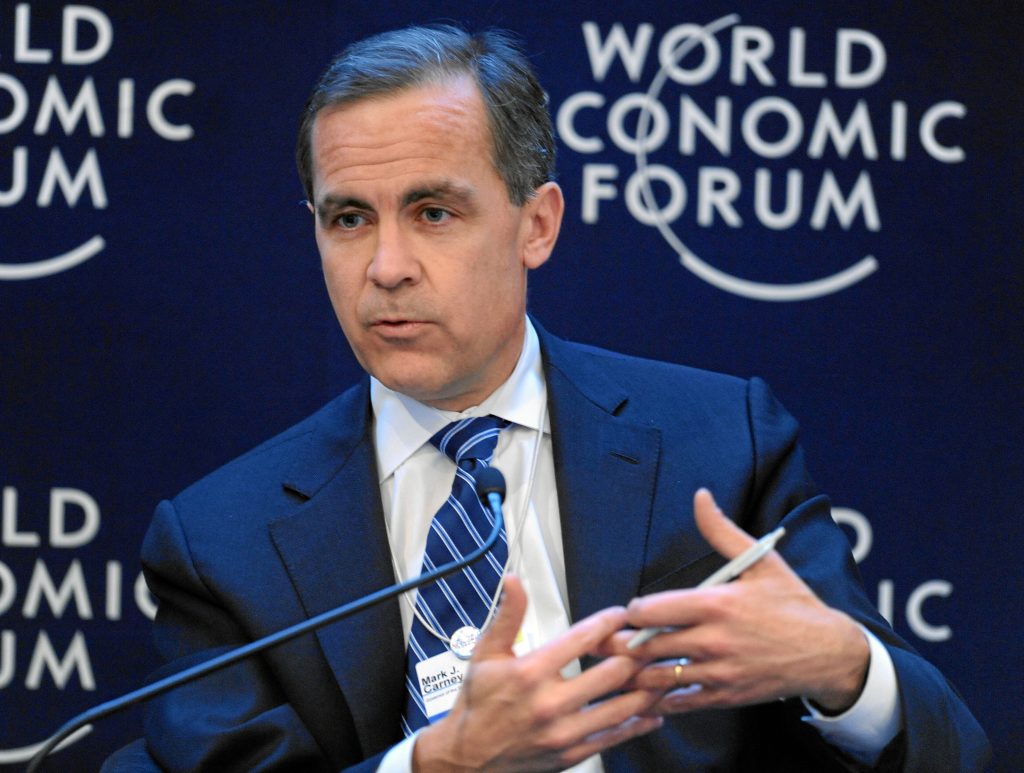
(Photo courtesy: World Economic Forum)
While the grocery rebates hitting lower-income bank accounts this month offer short-term relief for high prices, Mark Carney’s government is set to release a new plan on Thursday for fixing some of the root causes behind the spike in food prices.
When the prime minister announced the Canada Groceries and Essentials Benefit in January, he also said the government was developing a national food security strategy to strengthen domestic food production and improve access to affordable, nutritious food over the medium and long term.
A country that can’t feed itself, fuel itself or defend itself has few options,
Carney had said in his speech to the World Economic Forum in Davos, Switzerland, a few days earlier.
Since then, officials have been scrambling to get a strategy in place to make sure a country as rich in agricultural land as Canada never experiences security threats in the form of food shortages.
But at the individual household level, food insecurity is more likely caused by the inability to afford the higher grocery prices that have persisted since the COVID-19 pandemic, owing to a range of factors this strategy aims to address.
- GST top-up payments begin Friday for eligible Canadians
- Carney announces food affordability measures, including boost to GST rebate
One of them is a lack of competition in Canadian grocery retailing. Justin Trudeau’s government attempted to disrupt the monopoly behaviour of Canada’s giant grocery retailers, but was ultimately unsuccessful at attracting new entrants to offer consumers more options.
A senior government official shared with CBC News that Thursday’s strategy will include new investments to make grocery retailing more competitive: new money specifically in support of independent grocer supply chains.
Funding for the federal Competition Bureau has also increased this year, in an attempt to more closely monitor and enforce competition in food retailing and across its supply chains.
The initial announcement in January set aside $20 million for a local food infrastructure fund to help food banks and other organizations connect households in need with nutritious food.
Why are grocery prices so high? One factor may be property controls — a powerful tool that big groceries can use to block competition and control local markets across Canada. Marketplace breaks down how it works and why it can take a toll on your wallet.
Climate change — which can worsen severe storm damage, forest fires and droughts — is also impacting Canada’s food production. Thursday’s strategy is expected to address the need for new mitigation strategies to ensure Canadian agriculture remains resilient.
The government has been working to find ways to address food insecurity in the Arctic and other remote communities for some time. Previously announced tax measures offered incentives for new greenhouse construction to allow year-round fruit and vegetable production in regions otherwise reliant on imports.
As the Trump administration’s aggressive tariff strategy and armed conflicts continue to disrupt international food and fertilizer supply chains, another focus of this domestic plan is ensuring Canadian farmers, processors and shippers are equipped to feed Canadians, as a priority to boost sovereignty.
In January, the government set aside $500 million from its strategic response fund, intended to help businesses with supply chain disruptions so they didn’t have to pass on the cost at the checkout. It also started a $150-million food security fund to compensate small- and medium-sized businesses harmed in the ongoing tariff war.
The federal government has started rolling out a new grocery and essentials benefits as it manages the ramifications of a technical recession and the looming review of the Canada-U.S.-Mexico Agreement.
While Thursday’s strategy is intended to focus on domestic food supplies and affordability, the federal government continues to pursue its economic growth goal of doubling its agri-food and seafood exports in non-U.S. markets at the same time — a push to shift $12 billion worth of food and beverage exports to new high-growth markets in Asia, Africa and the Middle East.
For some commodities, such as beef, chasing higher prices in export markets has contributed to domestic supply shortages, further inflating the prices consumers face at the checkout if they’re determined to buy Canadian.
Retailers, particularly in Eastern Canada, are now stocking beef from as far away as New Zealand and Australia in an effort to secure affordable cuts for Canadian consumers.
Ranchers have been lobbying on Parliament Hill to prevent a trade agreement with the Mercosur trading bloc in South America that could lower tariffs and other barriers to enable additional affordable beef cuts in Canadian supermarkets.
This article has been republished. You can find the original article here.