Lifestyle
Society has role to play in trying to prevent domestic violence:experts

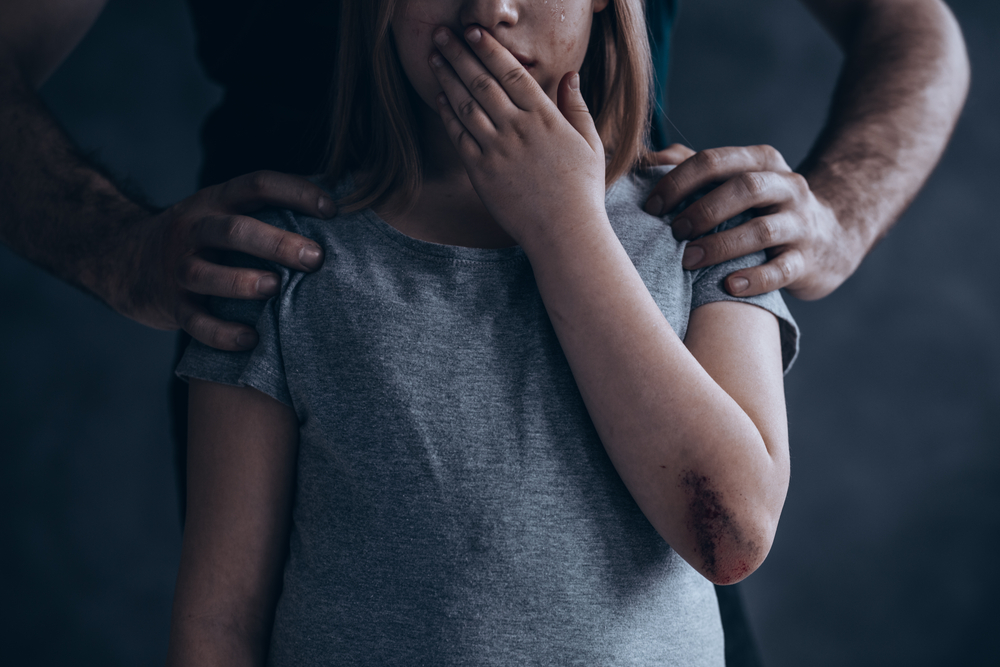
Years worth of evidence suggests perpetrators of domestic violence exhibit patterns that make it possible to predict when someone is in harm’s way (Shutterstock photo)
TORONTO — Canadians across the country should remember that they have a role to play in preventing tragedies like the recent domestic-related slaying of an Ontario mother and two of her teenage children, gender-based violence experts said Friday.
Years worth of evidence suggests perpetrators of domestic violence exhibit patterns that make it possible to predict when someone is in harm’s way. Being aware of warning signs, experts said, could help prevent tragedies such as the one that unfolded in Ajax, Ont., earlier this week.
Durham regional police allege Krassimira Pejcinovski, 39, died in her home on Wednesday at the hands of a man she was in a relationship with. Investigators allege Cory Fenn, 29, also killed Pejcinovski’s 15-year-old son, Roy, and 13-year-old daughter, Venallia. Fenn, who had two previous convictions for mischief and assaulting a police officer, is now facing three charges of second-degree murder.
The Pejcinovskis’ deaths are far from isolated. In Ontario alone, advocates say they’ve counted more than a dozen people allegedly killed by intimate partners or other family members since the beginning of the year.
In 2016, Statistics Canada found that slayings committed by past or present intimate partners made up an average of 19 per cent of all solved homicides over the past decade.
Farrah Khan, manager of Ryerson University’s Office of Sexual Violence Support and Education, said community members rather than justice or violence-prevention workers are often best positioned to take meaningful, potentially life-saving action.
“More survivors don’t talk to professionals. They talk to their neighbour, they talk to a friend, they talk to a family member,” Khan said. “We have to have the opportunity to build our muscles as a community … to actually intervene and name when these things are happening and connect our friends and loved ones to the supports that they need to survive.”
Khan said there are dozens of potential warning signs of an abusive relationship that manifest long before a situation becomes lethal.
Some include control over a partner’s clothing or hair choices, efforts to isolate a person from their social network, or threats to the partner’s pets or loved ones, she said.
Patterns can emerge in an abuser’s circumstances as well, according to most research on the subject, which indicates depression, substance abuse, attempted or threatened suicide, and recent job loss can be warning signs, Khan said.
An annual report by Ontario’s Death Review Committee for the Ministry of Community Safety and Correctional Service includes a list of at least 40 risk factors that can sound alarm bells for people interacting with someone in an abusive situation. The committee found that among domestic homicides recorded between 2003 and 2016, seven or more risk factors were at play in three quarters of the deaths.
“The significance of this finding is that many domestic homicides may have been predicted and prevented with earlier recognition and action,” the committee wrote in its 2016 report.
To that end, some advocacy groups have started trying to arm community members with the tools they need to protect those at risk of violence.
Alberta’s Stop Abuse In Families Society recently launched a campaign to help hair stylists recognize signs of potential danger in conversations with their clients.
The announcement of the “Cut it Out” campaign maintains that many women treat hairdressers like therapists, freely discussing information they may be more reluctant to share with people closer to their day-to-day lives.
“Cut It Out advises stylists how to watch for physical signs, including bruising or cuts, but also teaches them how to watch for less obvious signs, like personality changes or clients acting nervous around their partners,” the announcement said, adding stylists with long-standing client relationships are well-positioned to spot such changes.
The program also trains stylists on how to raise their concerns with clients and connect them with community supports when wanted.
At Ontario’s Western University, the Centre for Research and Education on Violence against Women and Children created a website for those who fear they may be observing danger signs.
The Neighbours, Friends and Families project, which has funding from the Ontario government, offers guides on everything from how to talk to a suspected abuser to safety plans and community resources for women at risk.
But Amanda Dale, executive director of the Barbra Schlifer Commemorative Clinic that provides legal and other help to abused women, said such supports remain too scarce.
She said women living in rural or isolated areas are particularly exposed, as the programs designed to help them are often understaffed. Worse, she said, is the fact that the rare options that do exist are sometimes located in close proximity to an abuser.
Dale said some of the momentum propelling the #MeToo movement should be directed toward preventing what she describes as “fatal misogyny.”
“We’ve deepened our conversation about sexual assault considerably as a culture in the last couple of years,” Dale said. “The same kind of clarity about the nuances of this form of violence needs to happen.”