Food
Tuguegarao’s crispy carabao skin delicacy brings a unique crunch to Filipino food culture

Floyd Brenz., Philippine Canadian Inquirer
October 26, 2026
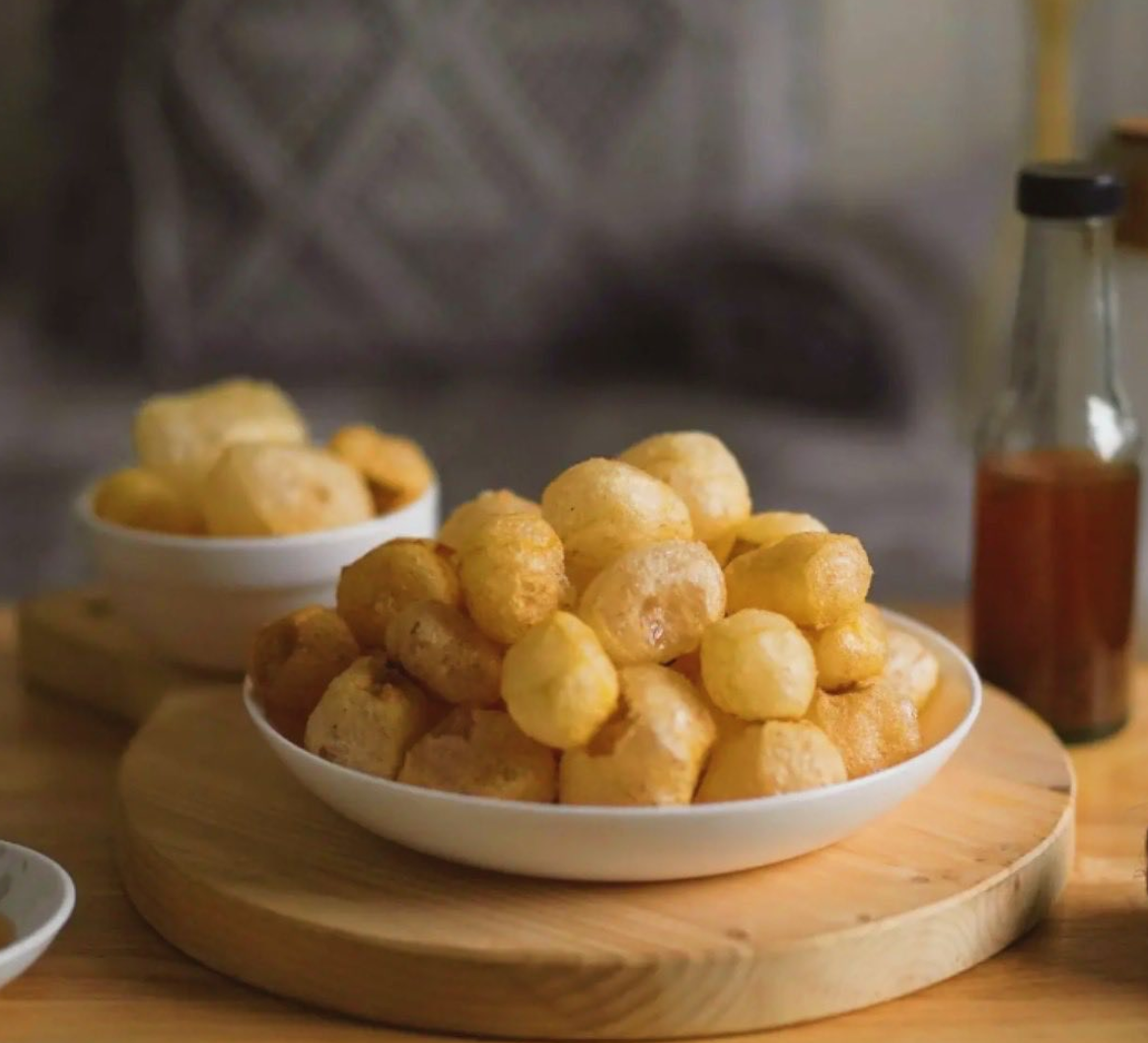
Photo Courtesy: IfexPhilippines
In Tuguegarao City, Cagayan, one of the region’s distinctive food souvenirs offers a different kind of crunch. Called chicharabao, this local delicacy puts a Cagayan Valley twist on the familiar Filipino chicharon by using carabao hide instead of the more traditional pork skin.
Prepared by boiling and deep-frying the hide, chicharabao develops a crispy, puffed exterior with a texture that can be slightly chewy. Its unusual main ingredient has helped make it a recognizable regional snack and a popular pasalubong for visitors bringing home a taste of northern Luzon.
The snack comes in several flavors, including garlic, hot and spicy, and onion and vinegar. Each offers a different take on the original, giving buyers options whether they prefer a savory bite or a sharper, tangier taste.
Chicharabao can be enjoyed on its own, paired with spicy vinegar or served as pulutan. It can also add crunch to another Tuguegarao specialty: pancit batil patung, the hearty noodle dish known for its combination of noodles, meat, vegetables, egg and toppings.
Beyond its role as a snack, chicharabao reflects the way local food traditions turn familiar ingredients into products associated with a particular place. For Tuguegarao, it has become part of the region’s culinary identity, alongside its celebrated noodle dishes and other Cagayan Valley specialties.
Although rooted in Cagayan, the delicacy is now offered by resellers and online shops, allowing customers outside the region to sample it without making the trip north. Individual packs commonly weigh around 70 to 80 grams, while prices vary by seller, packaging and delivery costs.
For travelers exploring Cagayan Valley, chicharabao offers a small but memorable edible souvenir. And for those who have never tried carabao-skin chicharon, its appeal lies in the chance to discover a regional favorite that brings a distinctly local twist to a familiar Filipino snack.