American News
Democrats flip Texas House, gain control of five more US state governments

ASM, Philippine Canadian Inquirer
November 06, 2026
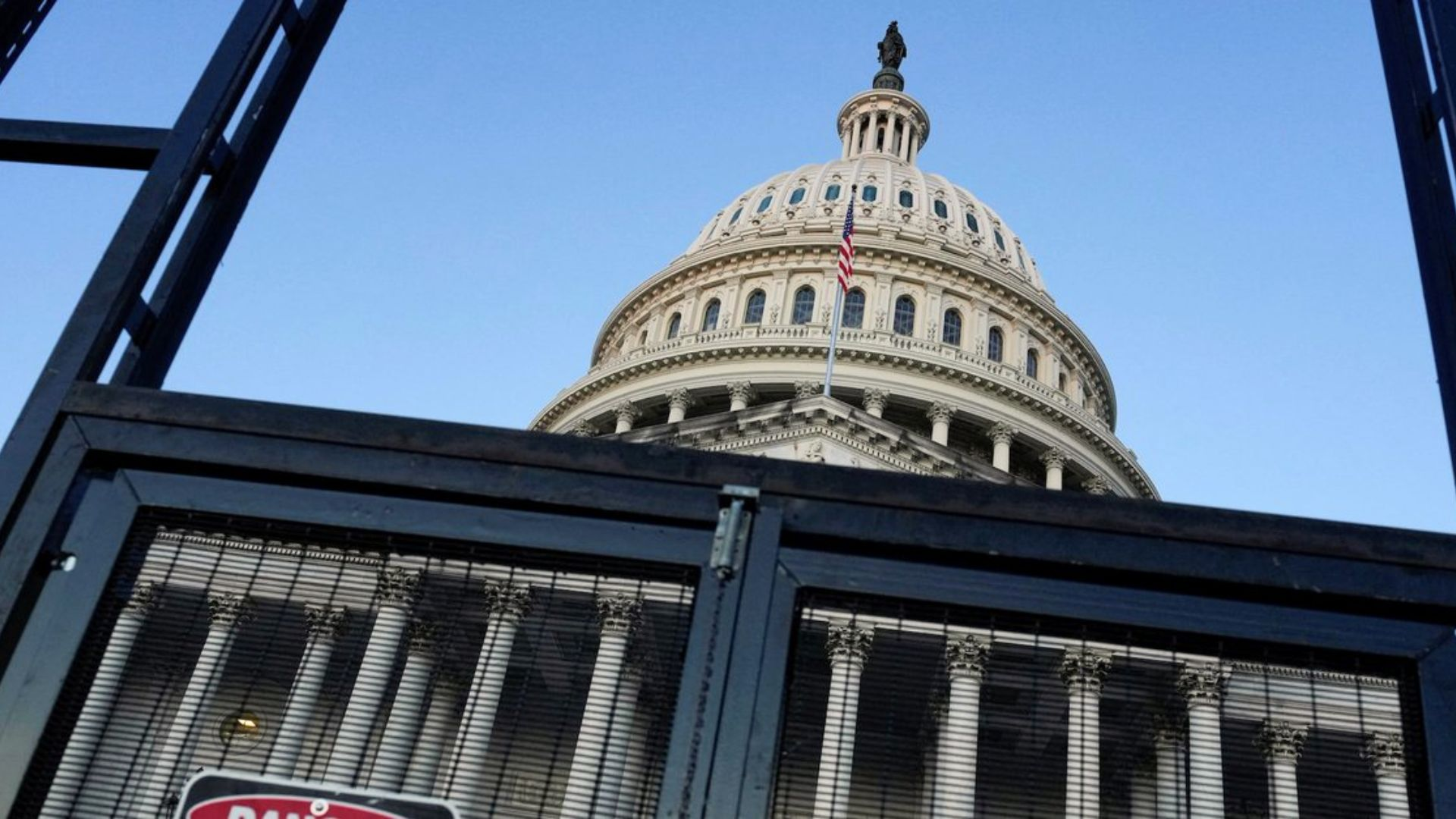
Photo courtesy: Reuters
WASHINGTON, United States — Democrats have gained control of several US state governments following the November 3 midterm elections, including a historic victory in Texas that ended more than two decades of Republican control of the state House of Representatives.
The party also secured full control of the state governments in Michigan, Minnesota, Nevada, Pennsylvania, and Wisconsin, giving Democrats greater power over state laws, budgets, and public services.
The results mark one of the biggest shifts in state-level political control in years, with Democrats gaining ground in several states previously led by Republicans.
Texas sees historic political shift
In Texas, Democrats won control of the state House for the first time since the 2002 election.
The victory came alongside a major upset in the governor’s race, where Democrat Gina Hinojosa defeated Republican incumbent Greg Abbott.
Hinojosa will become the state’s first Democratic governor since Ann Richards left office in 1995. She will also be the first Latina to hold the position.
Republicans, however, retained control of the Texas Senate. This means the state will have a divided legislature, requiring cooperation between the parties to pass legislation.
Texas voters also elected Democrat James Talarico to the US Senate, ending a decades-long stretch without a Democratic victory in a Senate race in the state.
Democrats secure full control in five states
Beyond Texas, Democrats gained or regained control of both legislative chambers and the governor’s office in five states.
In Wisconsin, the party flipped both chambers of the legislature, ending 16 years of Republican control. Democrats also retained the governor’s office.
Michigan, Minnesota, and Pennsylvania will likewise have Democratic governors and Democratic majorities in both legislative chambers.
In Nevada, Democrats retained control of the legislature and won the governor’s race, giving the party full control of the state government.
This arrangement, known as a political trifecta, allows one party to advance legislation without needing support from the opposing party to secure a majority in either chamber.
However, lawmakers must still follow constitutional rules, legislative procedures, and other legal requirements.
More Democratic governors elected
Democrats also captured governorships in Georgia, Iowa, and Ohio, states previously led by Republicans.
The results give Democrats a majority of US governorships for the first time in more than a decade.
The party also gained enough legislative seats to break or prevent Republican supermajorities in several states.
A supermajority gives a party enough votes to take certain actions, such as overriding a governor’s veto, without support from the opposing party.
The changes could make it harder for Republican-controlled legislatures to override vetoes in states with newly elected Democratic governors.
State election results could reshape policies
The new balance of power could affect decisions on education, healthcare, housing, taxes, and public safety.
State governments also play a major role in setting abortion laws, minimum wages, and rules for emerging technologies such as artificial intelligence.
Democratic leaders have identified the rising cost of living and housing affordability as priorities following the election.
In states where Democrats now control the governor’s office and both legislative chambers, the party will have greater authority to pursue its policy agenda.
The changes will take effect as newly elected governors and lawmakers assume office, with the timing varying by state.