American News
Democrats secure control of US Congress in sweeping 2026 midterm election victory

ASM, Philippine Canadian Inquirer
November 05, 2026
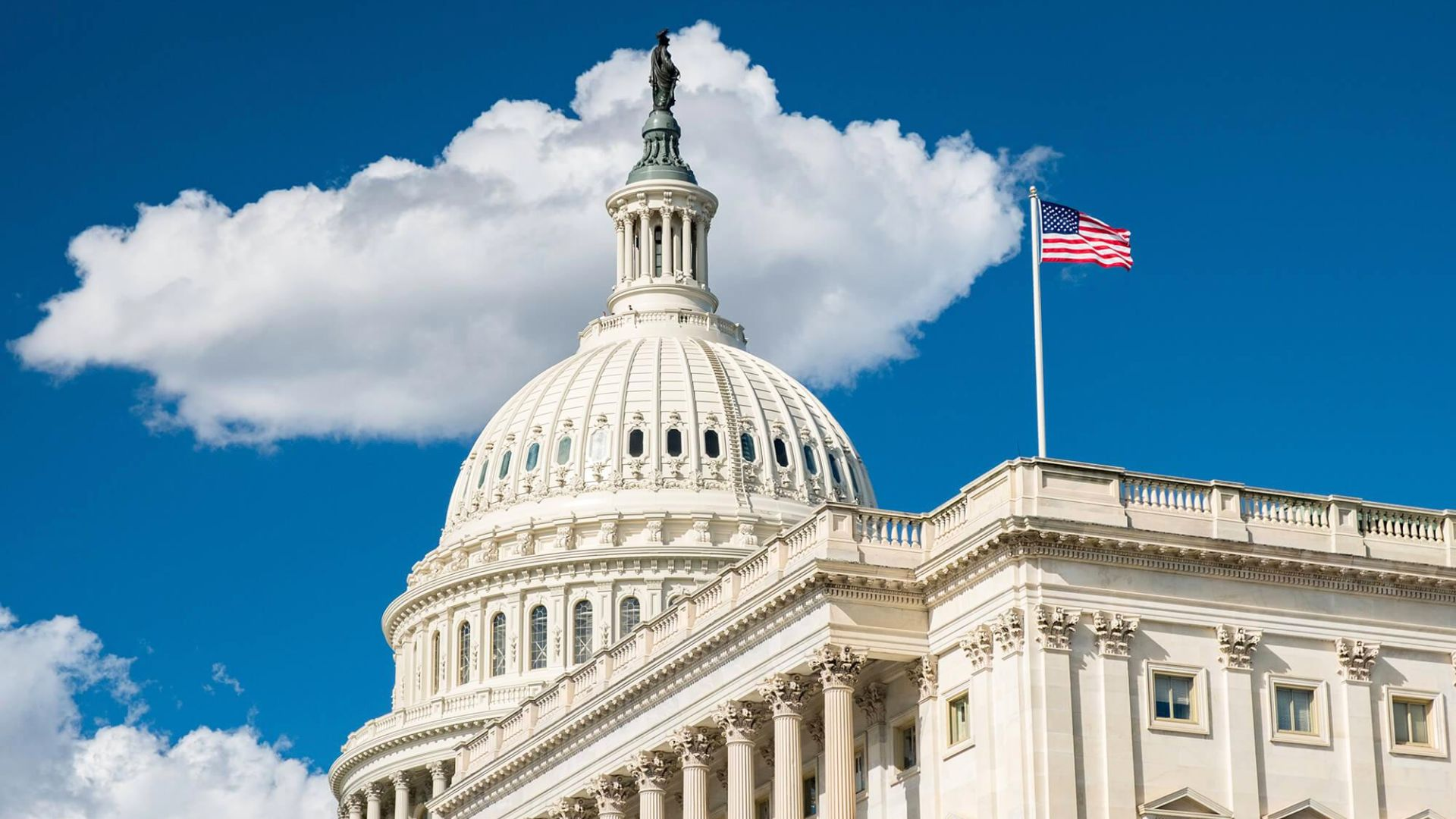
Photo courtesy: ICBA
Major Democratic gains in traditionally Republican states reshape Washington, with some races still being counted.
Democrats have secured control of both the US House of Representatives and Senate following the November 3 midterm elections, reversing Republican majorities in Congress and setting the stage for a divided federal government during the final two years of President Donald Trump’s presidency.
Major US news organizations, including the Associated Press, projected Democratic majorities in both chambers after the party captured Republican-held seats across several states.
The outcome marks a major political shift just two years after Trump returned to the White House. Democrats expanded their support beyond traditional battlegrounds, winning closely contested races as well as elections in states that had strongly supported Republicans in recent years.
Although control of Congress has been determined, vote counting continues in some individual races, and the final nationwide seat totals remain subject to change.
Democrats regain the House of Representatives
Democrats crossed the 218-seat threshold required to control the 435-member House of Representatives, securing the majority needed to set the chamber’s legislative agenda.
The party captured Republican-held districts in several states, including contests in areas that supported Trump in the 2024 presidential election.
Republicans had entered the midterms defending their narrow House majority while facing competitive races across the country.
Several Republican-led efforts to redraw congressional boundaries ahead of the elections also failed to produce the gains the party had sought.
In Texas, Democratic candidates won three redrawn congressional districts along the US-Mexico border. Incumbent Representatives Henry Cuellar and Vicente Gonzalez retained their seats, while Democratic challenger Bobby Pulido defeated Republican Representative Monica De La Cruz.
The victories reflected a broader shift in voter support, particularly in heavily Hispanic areas where Republicans had made gains during the previous presidential election.
With Democrats taking the House, the party will gain control of committee leadership and oversight proceedings when the new Congress convenes.
Senate flips after Democratic victories in Republican states
The Senate results delivered another major victory for Democrats, who gained enough seats to end Republican control of the upper chamber.
Several of the party’s most significant wins came from states where Republicans had maintained a strong electoral advantage for years.
In Texas, Democratic state lawmaker James Talarico defeated Republican Attorney General Ken Paxton, becoming the first Democrat elected to the US Senate from the state in nearly four decades.
Texas voters also elected Democrat Gina Hinojosa as governor, defeating three-term Republican incumbent Greg Abbott. Hinojosa is set to become the state’s first Latina governor.
In Kansas, Democrat Adam Hamilton defeated incumbent Republican Senator Roger Marshall, marking the first Democratic Senate victory in the state in 94 years.
South Carolina also elected a Democratic senator. Pediatrician Annie Andrews defeated Republican Darline Graham, who had been appointed to the Senate seat following the death of her brother, longtime Senator Lindsey Graham.
The party recorded additional Senate gains in Iowa, Maine, North Carolina and Ohio.
Former North Carolina Governor Roy Cooper won his Senate race, while former Ohio Senator Sherrod Brown reclaimed a seat for Democrats.
In Maine, Democrat Troy Jackson defeated Republican Senator Susan Collins.
Democratic incumbent Jon Ossoff also won reelection in Georgia, while Chris Pappas secured a Senate victory in New Hampshire, becoming the first openly gay man elected to the chamber.
Michigan elected Democrat Abdul El-Sayed, who is set to become the first Muslim US senator.
Together, the results gave Democrats the seats needed for a Senate majority, although some individual races remained unresolved as ballots continued to be counted.
Democrats also score major victories in governor races
The Democratic Party’s gains extended beyond Congress, with important victories in state-level elections.
In Georgia, Democrat Keisha Lance Bottoms won the governorship, becoming the first Black woman elected governor in US history.
Ohio voters elected Democrat Amy Acton over Republican Vivek Ramaswamy, an ally of Trump.
Democrats also recorded gubernatorial victories in states including Texas, while incumbents in Pennsylvania and Maryland retained their positions.
The results are significant because governors oversee state administrations and play important roles in implementing state policies, managing budgets and responding to federal decisions.
Economy and Iran war shape voter concerns
Economic dissatisfaction emerged as a central issue in the midterm elections.
Voters expressed concerns about rising living costs, inflation and the direction of the US economy.
According to the Associated Press Voter Poll, approximately three-quarters of voters said they were angry or dissatisfied with the direction of the country.
About six in 10 disapproved of Trump’s job performance, while roughly 70% said Congress should provide stronger checks and balances on presidential power.
The ongoing US-Israeli war with Iran also became a major campaign issue, with public concerns over the conflict and its economic consequences adding pressure on Republican candidates.
Voter surveys further indicated that Democrats regained support among younger voters, Black men and Hispanic voters compared with the 2024 presidential election.
Among voters younger than 30, approximately seven in 10 reported supporting the Democratic candidate in their local House race.
Democratic gains were particularly pronounced in several majority-Hispanic counties that had shifted toward Republicans two years earlier.
The results point to significant changes in voter preferences, although analysts caution that midterm voting patterns do not necessarily determine the outcome of the next presidential election.
What the results mean for President Trump?
Democratic control of Congress will change how the Trump administration works with the federal legislature.
When the new Congress takes office, Democrats will gain the ability to control House proceedings, lead congressional committees and initiate oversight investigations.
The party will also have greater influence over federal spending decisions and legislation requiring congressional approval.
However, winning Congress does not give Democrats control of the executive branch.
Trump will remain president, retain his constitutional veto authority and continue directing the federal administration.
Major legislation could therefore face disagreements between the Democratic-controlled Congress and the Republican president.
The Senate’s procedural rules may also require bipartisan support for certain measures, regardless of which party holds the majority.
Although the overall outcome of the congressional elections has been called, election officials must still finish counting ballots and complete the certification process in their respective states.
Some close contests may take additional time to resolve because of outstanding mail-in ballots, provisional ballots or state recount procedures.
The election also does not immediately remove Republicans from their current congressional leadership positions.
The existing Congress remains in office until the newly elected lawmakers begin their terms on January 3, 2027.
Democrats will then formally assume control of both chambers, subject to the composition established by the certified election results.