American News
Abdul El-Sayed makes history as first Muslim elected to US Senate

ASM, Philippine Canadian Inquirer
November 05, 2026
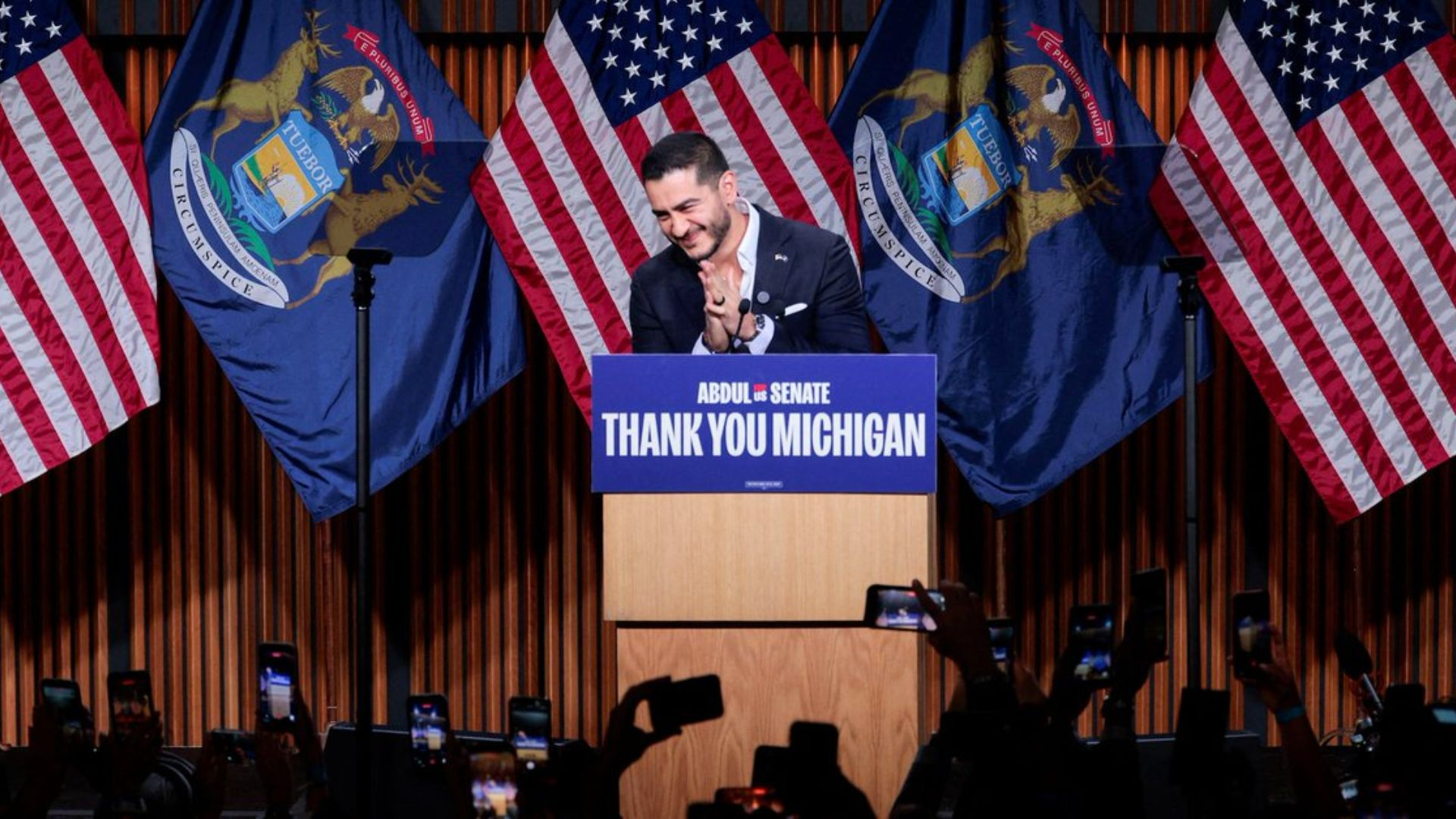
Photo courtesy: Reuters
Democrat Abdul El-Sayed has become the first Muslim elected to the United States Senate after defeating Republican Mike Rogers in Michigan’s closely watched midterm election.
The Associated Press called the race early Wednesday, November 4, confirming El-Sayed’s victory in a competitive contest for the seat being vacated by retiring Democratic Senator Gary Peters.
The 42-year-old physician and former public health official is the son of Egyptian immigrants. His election marks a historic milestone for Muslim representation in the US Congress, where no Muslim had previously been elected to the Senate.
El-Sayed secured approximately 52% of the vote, compared with 46% for Rogers, according to unofficial results reported early Wednesday. Those figures were preliminary, with ballot counting and certification still to be completed.
His victory also allows Democrats to retain a Michigan Senate seat that Republicans had hoped to capture as they fought to maintain control of the chamber.
The race attracted national attention because of Michigan’s importance as a battleground state. President Donald Trump carried Michigan in the 2024 presidential election, while Democrats sought to regain support among voters concerned about the economy and rising living costs.
From public health to national politics
Before entering electoral politics, El-Sayed built his career in medicine and public health.
He previously served as Detroit’s health director and became known for advocating broader access to healthcare and policies addressing economic inequality.
In 2018, he ran for Michigan governor but lost the Democratic primary. Eight years later, he returned to statewide politics and won the party’s nomination for the US Senate, defeating US Representative Haley Stevens.
His Senate campaign focused on reducing everyday expenses, expanding healthcare access and limiting corporate influence over political decision-making.
A central proposal was Medicare for All, which would establish a government-funded universal healthcare system.
El-Sayed also called for reducing the influence of wealthy donors and corporations in American elections.
His campaign drew support from progressive leaders, including Senator Bernie Sanders, while other prominent Democratic figures rallied behind him ahead of the general election.
A closely watched and divisive race
El-Sayed faced Rogers, a former congressman and FBI agent who received support from Trump and national Republican organizations.
The campaign featured disagreements over healthcare, government spending, US foreign policy and American support for Israel.
El-Sayed’s criticism of Israel’s military actions in Gaza became a contentious issue, drawing opposition from some voters and political groups.
Rogers and other Republican figures also questioned El-Sayed’s political positions and raised allegations about his associations with Islamic extremism.
El-Sayed rejected those accusations, which were not supported by evidence. Democrats criticized the attacks as relying on anti-Muslim stereotypes.
Despite the controversy, El-Sayed maintained a campaign centered on healthcare affordability, household expenses and political accountability.
His victory came during a broader Democratic resurgence in the November 3 midterm elections, which saw the party win control of both chambers of Congress.
A historic first for Muslim Americans
El-Sayed’s election marks a new chapter in Muslim American political representation.
Muslim politicians have previously served in the US House of Representatives, but none had been elected to the Senate before his victory.
The Council on American-Islamic Relations (CAIR) and its Michigan chapter congratulated El-Sayed following the election, recognizing the significance of his win for Muslim communities across the country.
The organizations also raised concerns about anti-Muslim rhetoric during the campaign.
El-Sayed is expected to take office when the new Congress convenes on January 3, 2027.
His election keeps Michigan’s seat in Democratic hands and will make him the first Muslim to serve in the US Senate once sworn in.