
Headline
Cyberattacks disrupt supermarket freezers across Europe, forcing food disposal

ASM, Philippine Canadian Inquirer
November 03, 2026
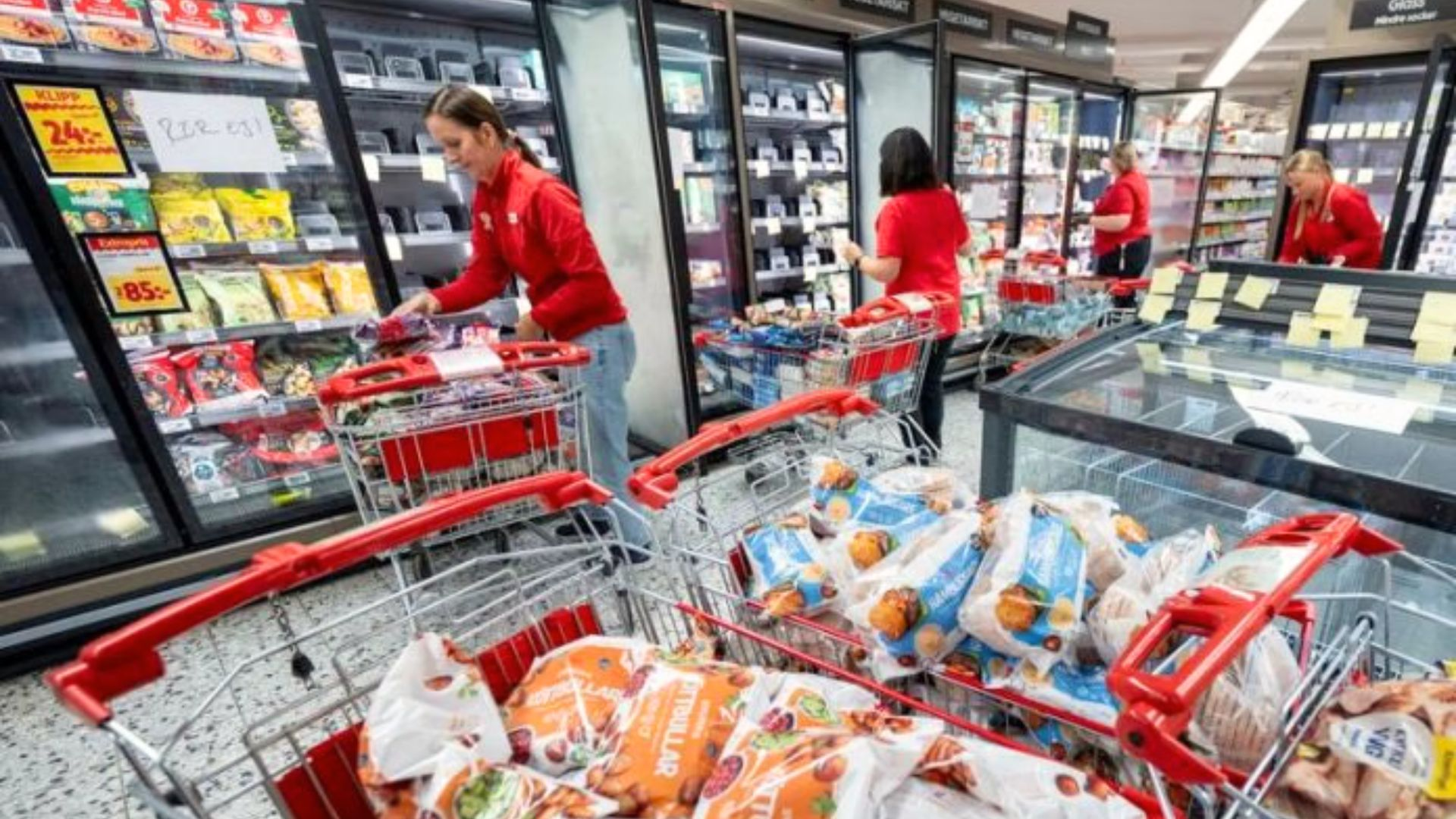
Photo courtesy: The Print
Supermarkets across Europe were forced to remove and discard chilled and frozen food after suspected cyberattacks disrupted refrigeration systems, causing temperatures to rise sharply in dozens of stores on Monday, November 2.
The incidents affected retailers in Sweden, Belgium, Luxembourg, Ireland and Estonia, with some refrigeration systems reportedly reaching 50 degrees Celsius after their temperature controls were manipulated.
Among the affected businesses were supermarket chains ICA, Coop, Delhaize, Carrefour, Spar and SuperValu. At least one IKEA store in Belgium also reported disruptions.
The attacks came just weeks after a similar incident in France, where hackers remotely altered supermarket cooling systems, causing widespread food losses and raising concerns about the security of internet-connected equipment.
Retailers report spoiled food and damaged stock
In Sweden, supermarket chain ICA confirmed that refrigeration and freezer systems at a limited number of stores were affected overnight.
One ICA location reported that its cooling equipment had been set to 50 degrees Celsius, leaving staff to dispose of food that could no longer be safely sold.
Swedish retailer Coop also confirmed unauthorized interference with its refrigeration systems. Seven of its approximately 800 stores were affected, with disruptions ranging from partial failures to complete shutdowns.
In Belgium, Carrefour reported problems at 15 stores, while five Spar outlets operated under the Colruyt Group were also affected.
Delhaize reported refrigeration problems at several dozen stores across Belgium and Luxembourg.
The financial impact varied between businesses. Belgian butcher Luc De Laet estimated that approximately €15,000 worth of meat was ruined after temperatures at his store near Antwerp rose to 18 degrees Celsius.
Disruptions reach Ireland and Estonia
In Ireland, wholesaler Musgrave reported that 13 SuperValu stores experienced refrigeration problems linked to a cyber incident.
The company removed some chilled and frozen products from sale as a precaution while technicians worked to restore the affected systems.
In Estonia, attackers reportedly gained access to a computer controlling a supermarket’s refrigeration equipment and raised its temperature settings.
The incident was detected quickly, allowing technicians to intervene before significant damage occurred.
Although several major retail chains were affected, the incidents did not involve all their stores, and some businesses reported that normal operations had resumed.
Similar attack hit hundreds of French stores
The latest disruptions follow cyberattacks in France in October that affected refrigeration systems at hundreds of supermarkets.
During those incidents, attackers reportedly gained remote access to cooling controls, changed temperature settings and interfered with defrost functions.
Some stores experienced fires, while others lost substantial quantities of refrigerated and frozen food.
Authorities in France have been investigating the earlier attacks, but no confirmed connection has been established between those incidents and the latest disruptions.
Some of the affected refrigeration systems used technology supplied by Danish company Danfoss, which has been working with customers to address security vulnerabilities.
Authorities warn of risks to connected equipment
The incidents have drawn attention to security weaknesses in equipment that businesses manage remotely, including refrigeration units, heating systems and other building controls.
These systems can help businesses monitor temperatures and detect equipment failures, but they may also become targets when attackers gain unauthorized access.
Belgium’s Centre for Cybersecurity acknowledged growing concerns about attacks affecting connected systems, while European officials warned that disruptions to supermarket refrigeration could threaten food supplies and consumer confidence.
Investigators have not publicly identified those responsible for the latest incidents or established whether they were coordinated.
Affected retailers, the immediate priority has been restoring refrigeration, inspecting remaining stock and preventing unsafe food from reaching consumers.




















