Headline
US seeks stronger economic ties with Philippines to match defense alliance

ASM, Philippine Canadian Inquirer
November 03, 2026
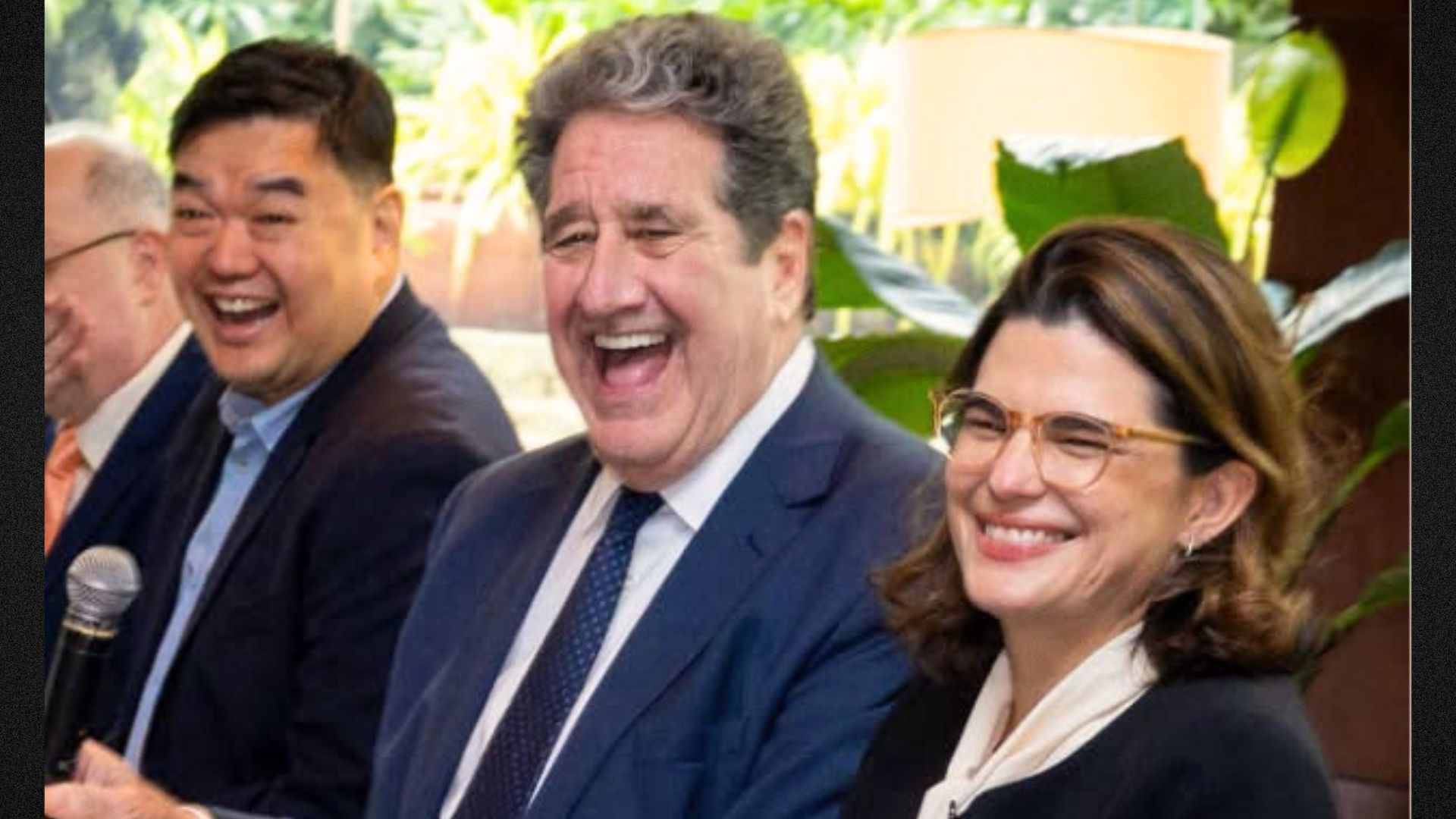
Photo courtesy: U.S. Embassy in the Philippines
The United States wants to deepen its economic partnership with the Philippines, with Ambassador Lee Lipton calling for stronger trade and investment ties to complement the two countries’ long-standing security alliance.
In a statement released Monday, November 2, Lipton said Washington remained committed to supporting Philippine economic development through fair and mutually beneficial trade.
“We also believe our security partnership must be matched by an equally strong economic partnership,” Lipton said.
His remarks come as the Philippines and the United States mark the 75th anniversary of their Mutual Defense Treaty, signed on August 30, 1951.
While Lipton emphasized the need to expand economic cooperation, his statement did not announce new trade agreements, investment commitments or specific initiatives.
Trade remains central to bilateral relations
The United States is one of the Philippines’ largest trading partners and remains a major destination for Philippine exports.
According to the Office of the United States Trade Representative (USTR), goods trade between the two countries reached approximately $26.9 billion in 2025.
Philippine goods exports to the United States totaled $17.8 billion, increasing by 25.4 percent from the previous year. U.S. goods exports to the Philippines stood at approximately $9.1 billion.
United States Trade Representative
The Philippines is seeking to attract more American investment in semiconductors, electronics, critical minerals and higher-value manufacturing.
One initiative supporting those ambitions is the Luzon Economic Corridor, which aims to improve transport and logistics connections among Subic, Clark, Manila and Batangas.
The project is intended to encourage investment, strengthen supply chains and support industrial development.
Tariffs remain a challenge for Philippine exporters
Despite the push for closer economic relations, Philippine exports continue to face additional U.S. tariffs imposed under Section 301 of the Trade Act of 1974.
The USTR imposed a 12.5-percent additional duty on covered Philippine goods beginning July 24, 2026, following an investigation into the country’s restrictions on imports produced through forced labor.
Certain products are exempt from the measure.
The Philippines has sought a reduction in the tariff rate as trade discussions continue with Washington.
The USTR established a lower 10-percent rate for economies that had adopted or committed to enforcing qualifying restrictions on forced-labor imports.
The difference has made tariff relief an important issue for Philippine exporters seeking to remain competitive in the American market.
Washington reaffirms security commitments
Lipton’s statement followed the visit of U.S. Secretary of War Pete Hegseth to Cebu for the ASEAN Defence Ministers’ Meeting-Plus.
The ambassador described the visit as a demonstration of Washington’s commitment to its regional alliances, including its defense relationship with Manila.
“Our commitment to Philippine security is ironclad,” Lipton said.
He pointed to joint military exercises, security assistance, expanded maritime cooperation and coordination on disaster response as areas where the partnership has grown.
Lipton also reaffirmed American support for Philippine sovereignty, territorial integrity and freedom of navigation in the Indo-Pacific.
The United States and the Philippines have expanded defense cooperation under President Ferdinand Marcos Jr., particularly as tensions persist in the South China Sea.
Lipton’s latest remarks place economic cooperation alongside those security priorities, although Washington has yet to outline new commitments arising from his November 2 statement.