Canada News
Super El Niño could bring an unusually warm and dry winter to Canada

Floyd Brenz., Philippine Canadian Inquirer
October 28, 2026
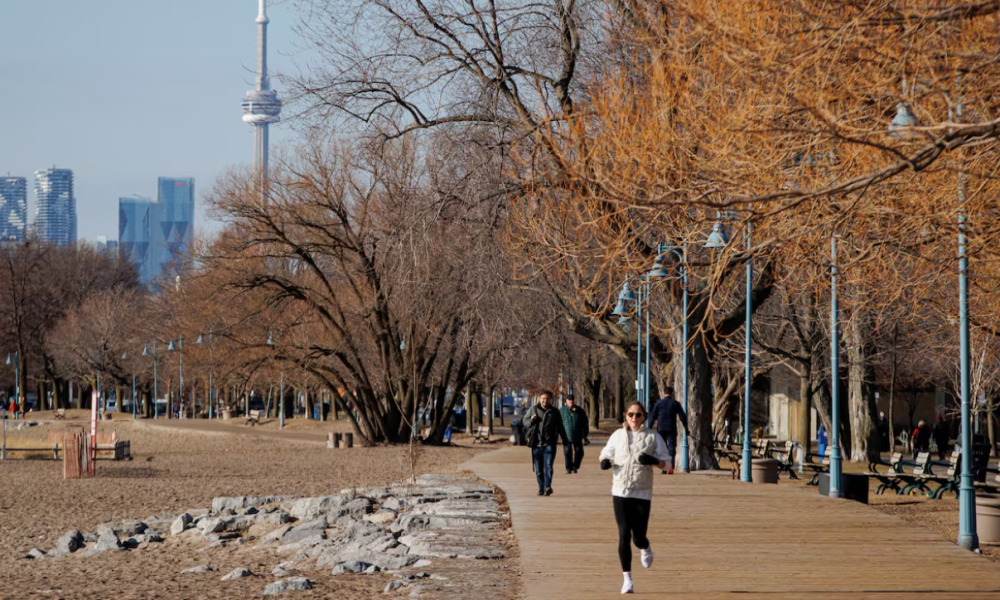
Photo Courtesy: CBC NEWS
Canada is heading into a potentially historic winter as a powerful El Niño strengthens in the Pacific Ocean, with forecasters warning that much of the country could experience warmer temperatures and reduced precipitation in the coming months.
The climate phenomenon, known as El Niño, occurs when sea surface temperatures in the central and eastern tropical Pacific become warmer than usual. These changes influence atmospheric circulation, shifting weather patterns across different parts of the world.
This year’s event is developing into what scientists describe as a “super” El Niño. Although it has yet to reach its expected peak, ocean temperatures have already climbed to record levels, raising concerns about its potential effects on Canada’s winter weather.
According to climate researchers, much of Canada is likely to experience above-average temperatures this winter. The warming could be particularly noticeable across central and northern regions, although conditions will vary depending on location.
Western Canada faces additional concerns as the weather pattern could bring drier conditions to British Columbia, Alberta and Saskatchewan. Reduced rainfall and snowfall could worsen existing drought conditions and increase the risk of wildfires heading into 2027.
Less snowfall could also have consequences beyond the winter season. Snowpack acts as a natural reservoir, gradually releasing water during the spring and summer. A warmer winter with less snow could leave some areas with reduced water supplies when temperatures rise.
However, a milder winter does not mean Canada will be free from severe weather. Cold snaps, snowstorms and other winter hazards can still occur, with temperatures fluctuating significantly from one week to another.
Scientists also caution against attributing every unusual weather event to El Niño. While the phenomenon influences seasonal patterns, its effects are not uniform, and other atmospheric conditions also shape local forecasts.
With the strongest effects expected to become more apparent as winter progresses, meteorologists will continue monitoring the Pacific Ocean for changes that could influence temperatures and precipitation across Canada.
The developing El Niño is also a reminder that winter conditions can have consequences well beyond the colder months, potentially affecting wildfire risks, water availability and communities preparing for another year of extreme weather.