Headline
DFA rules out undersea cable cooperation with Taiwan, reaffirms One China Policy

ASM, Philippine Canadian Inquirer
October 26, 2026
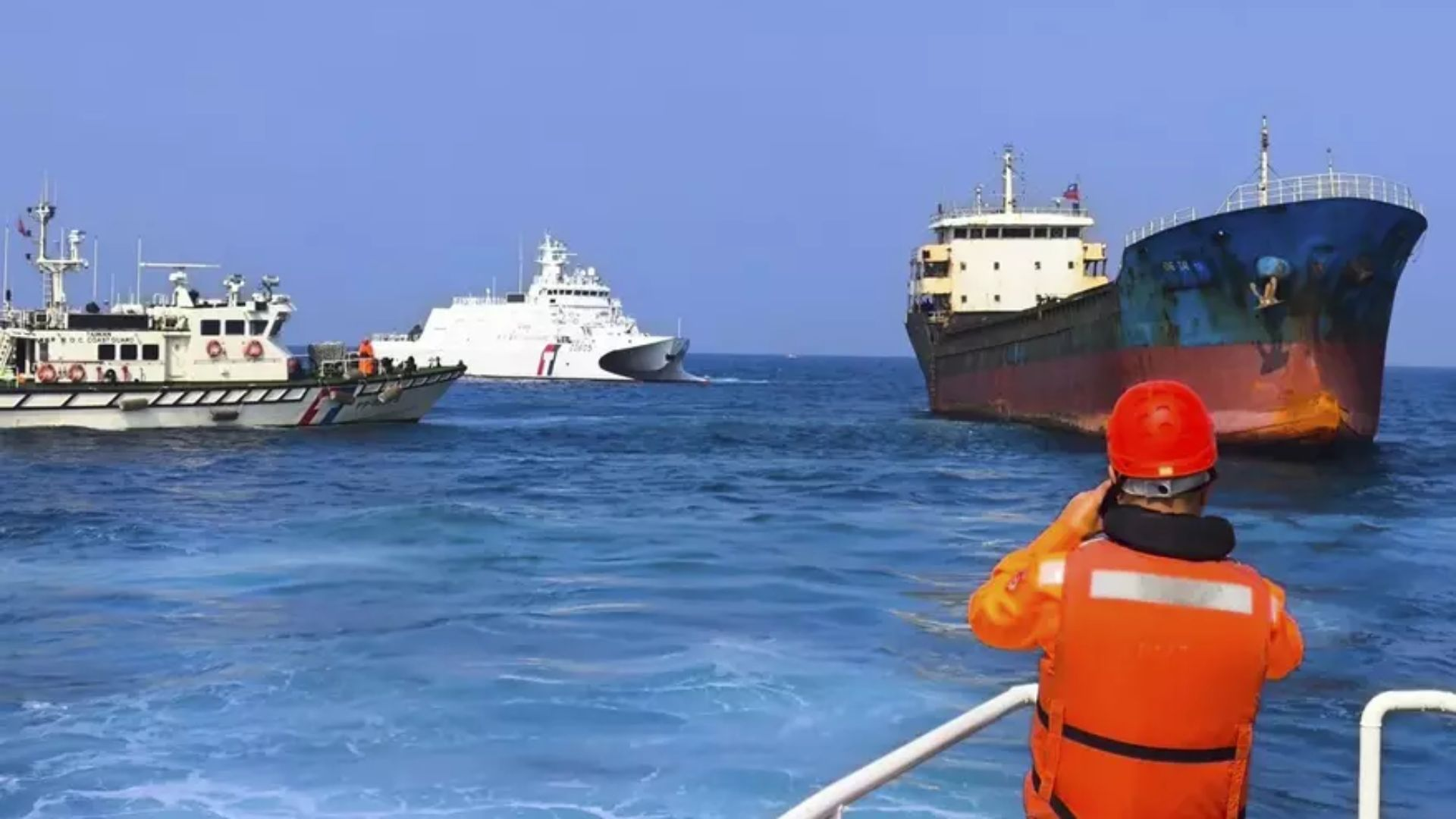
Photo courtesy: The Washington Times
MANILA, Philippines — The Department of Foreign Affairs (DFA) has clarified that the Philippines has no agreement with Taiwan to protect undersea communication cables, following remarks by a Filipino diplomat suggesting closer cooperation between Manila and Taipei.
In a statement on Monday, October 26, the DFA said no cooperative arrangement exists between the two sides involving submarine cables or other critical undersea infrastructure.
The department also reaffirmed the Philippines’ commitment to its longstanding One China Policy, which recognizes Beijing as the sole legal government of China.
The clarification followed statements made by Felipe Cariño III, deputy chief of mission at the Philippine Embassy in Washington, during an October 21 forum organized by the Center for a New American Security (CNAS).
According to Reuters, Cariño said Manila was exploring closer cooperation with Taiwan to safeguard undersea cables, particularly around the Bashi Channel, which separates the northern Philippines from southern Taiwan.
He discussed possible knowledge-sharing and capacity-building efforts, suggesting these could eventually help address so-called gray-zone activities. These refer to actions intended to exert pressure or gain strategic advantages without triggering open military conflict.
However, when asked whether such cooperation could involve joint patrols or action against vessels responsible for damaging cables, Cariño said he had no specific details.
The DFA subsequently explained that discussions at the forum focused on the broader need to protect essential underwater infrastructure, particularly by strengthening cooperation between governments and private companies.
It said improving the repair and recovery of damaged facilities was among the priorities discussed.
The department stressed that protecting these networks requires coordinated efforts from those that depend on them.
It also maintained that cooperation with Taiwan on gray-zone activities was not discussed during the forum.
The clarification comes amid heightened attention to the security of undersea cables near the Philippines and Taiwan. These networks carry international internet and telecommunications traffic, making disruptions a concern for regional connectivity.
The Luzon Strait, which connects the Philippine Sea and South China Sea, is an important passage for submarine communication cables. Its location has drawn increasing security attention as tensions persist in nearby waters.
In September, the Philippine Coast Guard raised concerns over a Chinese research vessel operating northwest of Itbayat, Batanes, near areas containing undersea communication infrastructure. The Coast Guard questioned the vessel’s movements and warned about potential security implications.
The issue has also drawn Beijing’s attention. Following Cariño’s remarks, Chinese Foreign Ministry spokesperson Mao Ning urged the Philippines to demonstrate its commitment to the One China principle through concrete actions.
For its part, the DFA reiterated that Manila’s position remains anchored in the 1975 Philippines-China Joint Communiqué.
In a separate statement on October 22, the department reaffirmed its recognition of the People’s Republic of China as the sole legal government of China and its respect for Beijing’s position regarding Taiwan.
The Philippines maintains economic and people-to-people ties with Taiwan despite having no formal diplomatic relations with Taipei.
The DFA’s latest clarification makes clear that discussions about protecting vital undersea infrastructure do not amount to an existing security arrangement between Manila and Taipei.