
Headline
Senate considers stricter PWD ID checks while pushing lifetime validity

ASM, Philippine Canadian Inquirer
October 20, 2026
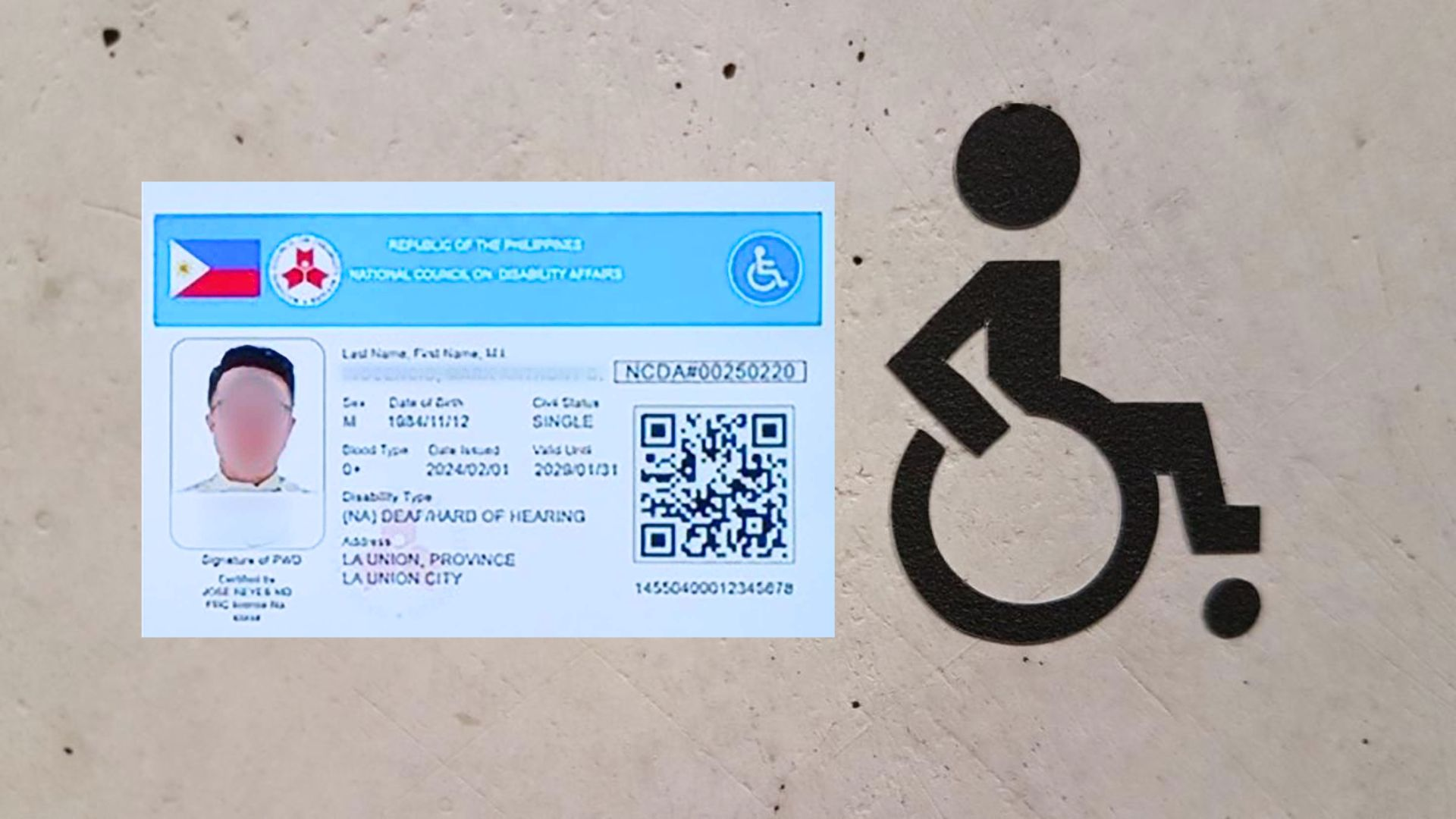
Photo courtesy: Multiple Sources
MANILA, Philippines – The Senate is considering stronger safeguards against fraudulent identification cards for persons with disabilities (PWDs), while seeking to remove the need for repeated renewals among people with permanent disabilities.
During a hearing on Monday, October 19, Senator Erwin Tulfo raised concerns that fake PWD IDs could remain in circulation if lifetime validity is introduced without adequate verification.
Tulfo, who chairs the Senate Committee on Social Justice, Welfare and Rural Development, questioned how the government would prevent fraudulent cardholders from obtaining permanent identification.
Additional checks proposed for non-apparent disabilities
Department of the Interior and Local Government (DILG) legal officer Ma. Carmela Villasfer recommended additional verification for disabilities that are not immediately visible.
She explained that stricter screening could help prevent fraudulent applications while protecting legitimate cardholders.
However, Villasfer stressed that people with clearly established permanent disabilities should not be required to undergo repeated medical assessments.
Tulfo agreed, citing individuals with amputations and permanent visual impairments as examples of those who should not have to repeatedly prove their eligibility.
The proposed approach seeks to distinguish between cases requiring further verification and those involving disabilities that are already established as permanent.
Government rolls out unified PWD ID system
During the same hearing, National Council on Disability Affairs (NCDA) Executive Director Glenda Relova outlined the government’s efforts to prevent fake PWD IDs.
The NCDA began introducing a standardized identification system in December 2025, with local government units responsible for receiving and approving applications.
Under the system, PWD records are entered into a centralized database.
Each new identification card includes a unique QR code and an alphanumeric identification number to support verification.
The system also maintains an audit trail showing which personnel processed, approved and printed each card.
These safeguards are intended to make fraudulent issuance easier to detect and improve accountability.
Only 170,000 registered under new system
Despite the rollout, registration remains limited.
Relova told senators that approximately 170,000 PWDs had registered under the unified system, compared with the government’s target of around 2.9 million individuals.
The transition is expected to take three years.
Holders of older PWD IDs will need to reapply under the standardized system, allowing local government units to verify their eligibility before issuing replacement cards.
The NCDA is also developing a Disability Needs Assessment Database System to improve monitoring and identify the support services required by persons with disabilities.
Senate seeks to prevent fraud without burdening PWDs
Tulfo also raised concerns about reports of millions of fraudulent PWD IDs.
However, the NCDA previously clarified that estimates cited in earlier Senate discussions referred to possible misuse and did not establish that millions of fake cards had been issued under the new unified system.
The council has emphasized that the standardized identification program is intended to protect legitimate beneficiaries and improve access to government-mandated privileges.
As lawmakers continue reviewing lifetime ID proposals, Tulfo stressed that anti-fraud measures should not create additional difficulties for people whose disabilities are permanent.




















