Headline
Senators seek stronger PWD protections following mockery of Josh Aquino

ASM, Philippine Canadian Inquirer
October 16, 2026
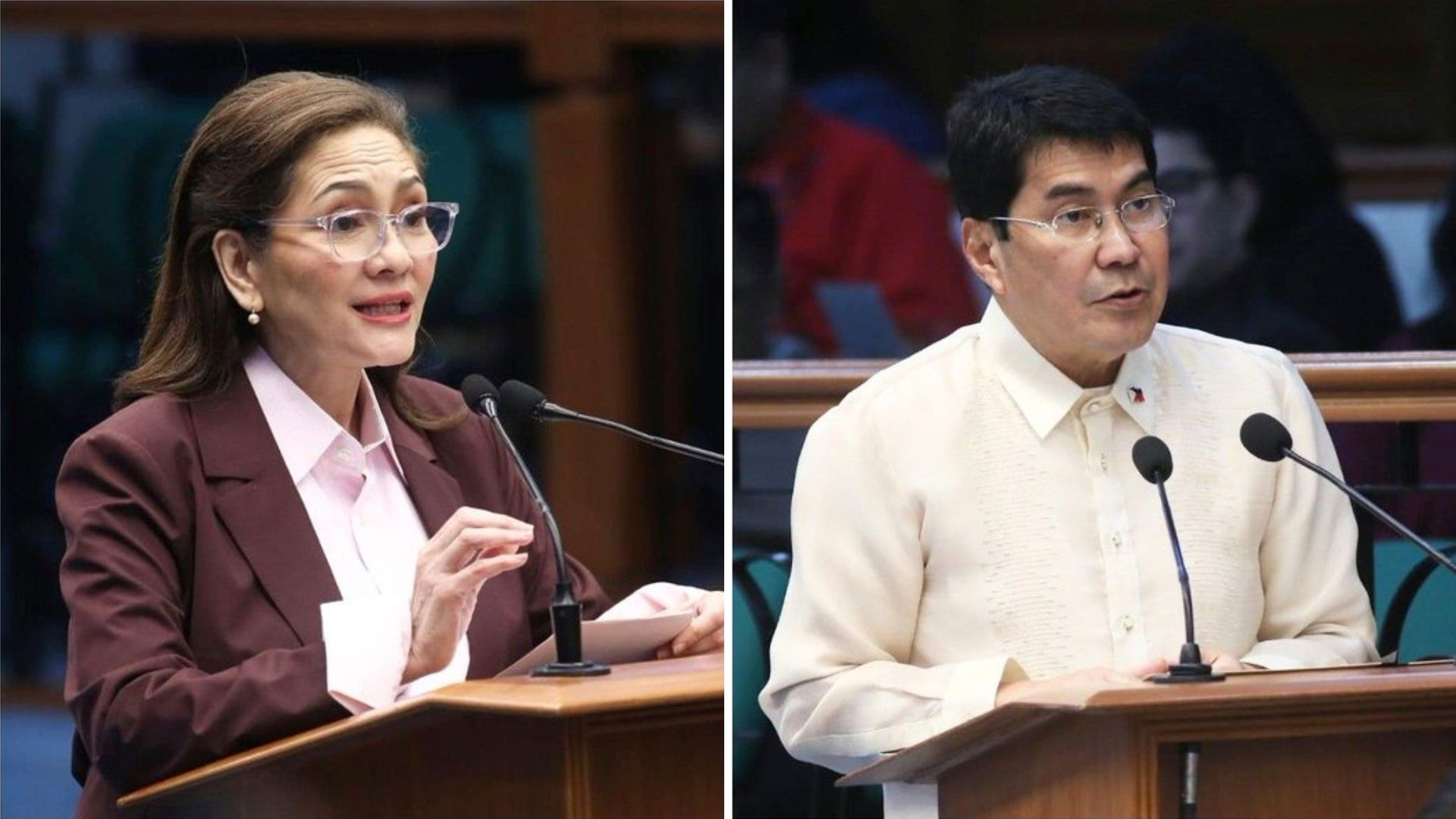
Photo courtesy: Philippine News Agency
MANILA, Philippines — The controversy surrounding offensive remarks about Joshua “Josh” Aquino has renewed calls in the Senate for stronger protections for persons with disabilities (PWDs), with lawmakers pushing legislation that would expand access to autism care, simplify disability identification requirements, and make public facilities more accessible.
Senators Risa Hontiveros and Erwin Tulfo spoke out on Thursday, October 15, after clips from the Machong Chismisan podcast circulated online, drawing widespread criticism over comments directed at Aquino, the eldest son of television personality Kris Aquino, who is on the autism spectrum.
Both senators emphasized that disabilities should never be treated as entertainment or used to humiliate individuals, regardless of their social standing.
The controversy also prompted action from the podcast’s producer, The Pod Network, which announced the termination of its contract with Machong Chismisan and removed the program from its roster. The podcast hosts had earlier issued an apology following the backlash.
Controversy renews focus on disability rights
Hontiveros stressed that respect for persons with disabilities must extend beyond public expressions of sympathy, pointing to existing legal protections and proposed measures that would strengthen government support.
She reminded public personalities and content creators of their responsibility to avoid degrading individuals because of their disabilities.
The senator also highlighted the proposed National Autism Care, Support, and Inclusion Act, a measure she sponsored to establish a coordinated national approach to supporting Filipinos on the autism spectrum.
Senate Bill No. 1822 was unanimously approved on third reading in March 2026, receiving 20 affirmative votes.
The proposed legislation covers early identification and diagnosis, access to healthcare and therapy, inclusive education, and social protection for persons with autism and their families.
The measure has been transmitted to the House of Representatives, where further legislative action is needed before it can become law.
Tulfo seeks practical reforms for PWDs
Tulfo, who chairs the Senate Committee on Social Justice, Welfare and Rural Development, raised concerns about the discrimination ordinary Filipinos with disabilities may experience, noting that even someone from a prominent family such as Aquino had become the subject of public ridicule.
The senator emphasized that disability is not a personal choice and should never be grounds for humiliation or unequal treatment.
Beyond condemning the remarks, Tulfo pointed to proposals intended to remove everyday barriers faced by persons with disabilities.
One is Senate Bill No. 1405, which would grant lifetime validity to PWD identification cards issued to individuals with permanent disabilities.
The proposal seeks to eliminate repeated ID renewals for people whose disabilities are permanent, reducing administrative requirements and making it easier for them to continue accessing benefits and services.
Tulfo also highlighted efforts to improve accessibility in the tourism industry.
His Senate Bill No. 1830 was incorporated into a consolidated proposal, Senate Bill No. 1988, or the proposed Barrier-Free and Inclusive Tourism Act.
The measure aims to make tourism destinations and facilities more accessible to persons with disabilities and senior citizens, allowing more people to participate in travel and recreational activities.
These proposals remain pending legislation and have not yet taken effect as national laws.
Philippine law already prohibits disability-based ridicule
The controversy has also brought attention to existing protections under Republic Act No. 9442, which amended the Magna Carta for Persons with Disabilities.
The law prohibits public ridicule and vilification directed at people because of their disabilities, including degrading mockery through words, writing, actions, and public performances.
Violations can carry fines and imprisonment, depending on the circumstances and whether the offense is a first or subsequent violation.
For a first violation, the law prescribes a fine ranging from ₱50,000 to ₱100,000, imprisonment of six months to two years, or both, at the court’s discretion.
However, whether particular remarks constitute an offense under the law would require assessment through the appropriate legal process. The public backlash and the podcast network’s decision to terminate its contract do not, by themselves, establish criminal liability.
Podcast network ends partnership
The controversy began after an excerpt from Machong Chismisan spread across social media, showing the hosts making disparaging remarks about Aquino.
The comments drew criticism from members of the public and entertainment personalities, including television host Boy Abunda, who denounced the treatment of Aquino and other persons with disabilities.
Following the criticism, the podcast issued an apology, while The Pod Network announced that it was ending its association with the program effective immediately.
The decision marked a direct consequence for the podcast amid growing scrutiny over the responsibility of content creators and media platforms for material that demeans people with disabilities.
For Hontiveros and Tulfo, the issue extends beyond the remarks against Aquino. Their statements highlighted the continuing need to improve access to healthcare, government services, public facilities, and equal opportunities for Filipinos with disabilities.
The proposed measures remain at different stages of the legislative process, with further congressional action required before they can provide the additional protections and services envisioned by their proponents.