Headline
Senate passes bill restricting minors’ access to high-risk social media platforms

ASM, Philippine Canadian Inquirer
October 09, 2026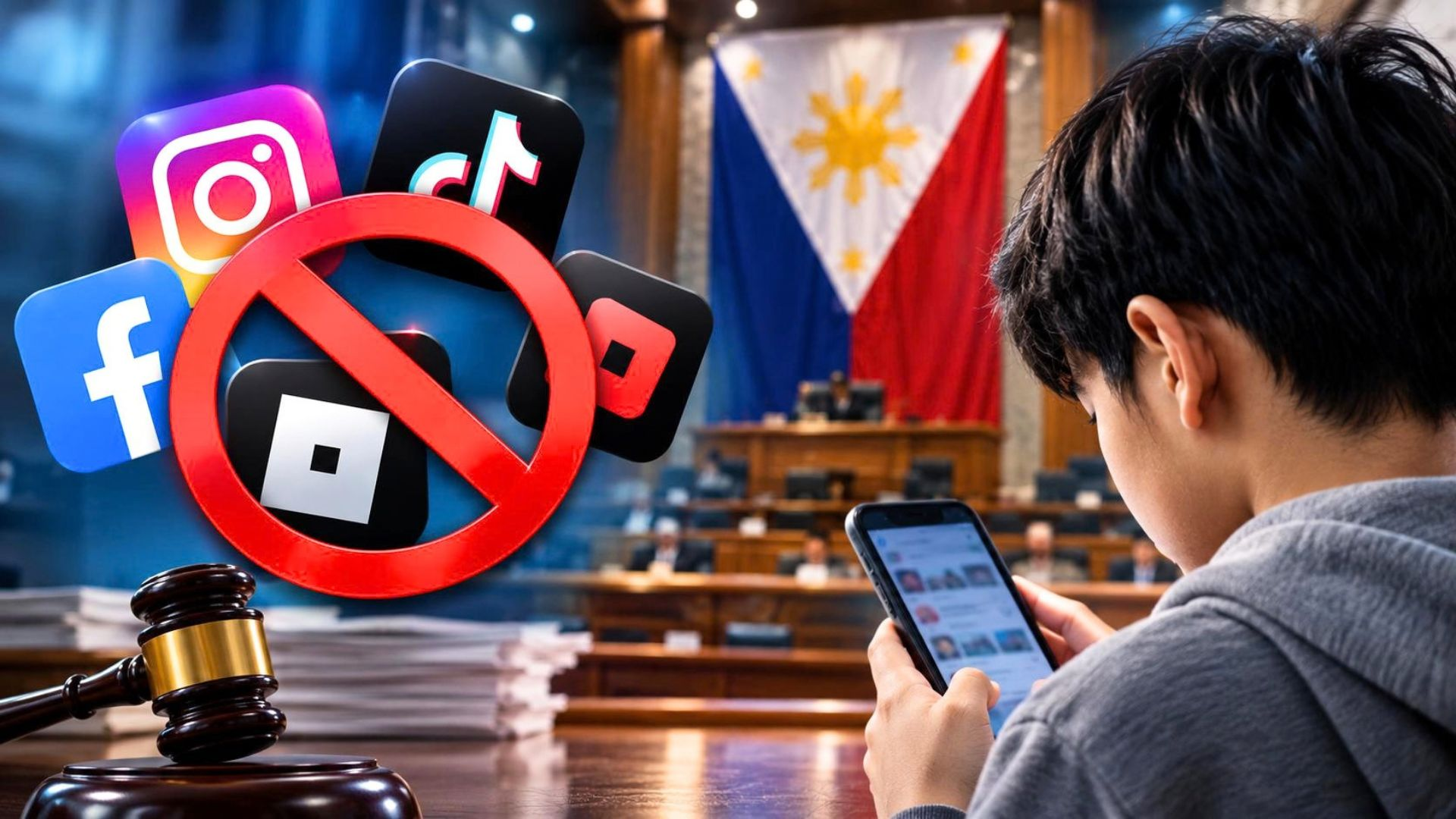 MANILA, Philippines — The Senate has approved on third and final reading a measure that would bar Filipinos under 18 from accessing digital platforms classified as high-risk, while requiring technology companies to introduce stronger age-verification and child-safety safeguards.
Voting 16-1-0 on Thursday, Oct. 8, senators passed Senate Bill No. 2424, or the proposed Safe Media Access and Responsible Technology for Kids in Digital Spaces (SMART KIDS) Act. Sen. Risa Hontiveros cast the lone dissenting vote.
The measure would prohibit minors from registering, maintaining or using accounts on services that fall under its high-risk classification. Platforms covered by the measure would also be required to suspend, restrict, disable or remove accounts found to be operated or used by people below 18.
Among the services cited during Senate discussions were Meta platforms, Roblox and GoreBox, although whether a particular service would ultimately be covered would depend on how it is classified under the proposed law and its implementing rules.
The bill grew out of concerns over children’s exposure to harmful online content, including violent material and online grooming. Senate President Sherwin Gatchalian, who earlier filed a separate measure setting a minimum age for social media use, has argued for stronger restrictions on platforms considered dangerous to minors.
Not every online service would be covered. The proposal exempts email, private messaging services, educational platforms, news services, professional collaboration tools and online gaming services that are not primarily used for social networking.
Digital service providers found violating the restrictions could face fines ranging from P5 million to P20 million per violation, plus P100,000 for each day of continued non-compliance. The measure would also penalize parents or guardians who knowingly help minors bypass the restrictions, with sanctions that may include fines, community service and participation in digital-parenting or child-safety programs.
Hontiveros opposed the measure on the grounds that an outright prohibition does not account for the developing capacity of adolescents to make decisions. The senator instead pushed for tiered safeguards, including stronger default privacy settings, tighter limits on adult contact and targeted advertising, and greater parental and educational protections.
The Senate vote represents a major step for the proposal, but the restrictions are not yet in effect. The measure must still complete the remaining legislative process before it can become law.