Business and Economy
Overseas Filipinos send $3.03 billion home in August as remittances rise 1.9%

ASM, Philippine Canadian Inquirer
October 16, 2026
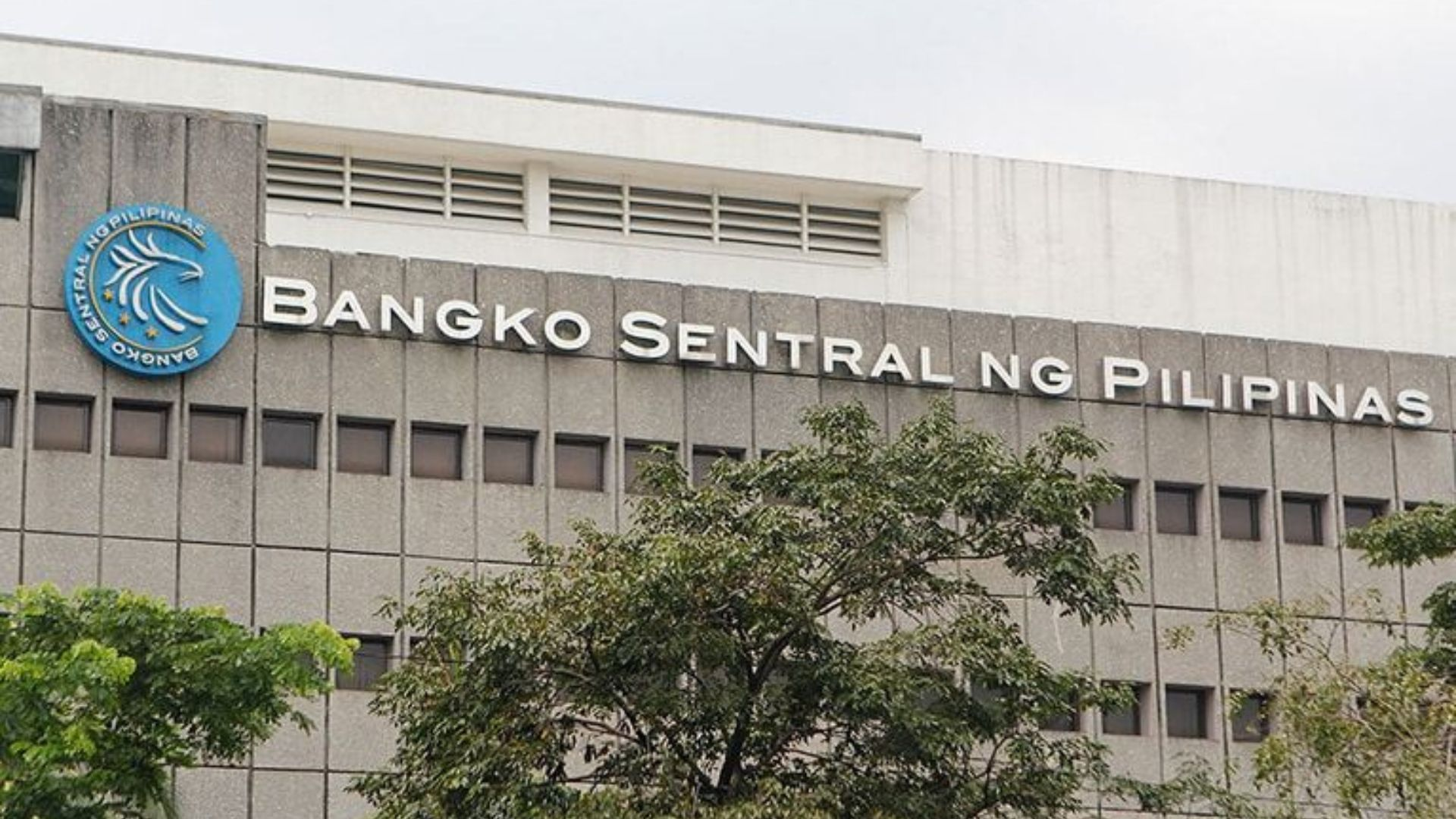
Photo courtesy: Philippine News Agency
MANILA, Philippines — Money sent home by overseas Filipinos continued to support the Philippine economy in August 2026, with cash remittances reaching US$3.03 billion, up 1.9 percent from the same month last year, according to the Bangko Sentral ng Pilipinas (BSP).
The latest figures, released Thursday, October 15, showed that remittances remained on an upward trend despite global economic uncertainties and a slower pace of growth.
August’s total was higher than the US
2.98billionrecordedayearearlier.However,itwaslowerthantheUS3.24 billion received in July, reflecting a month-on-month decline even as overseas money transfers continued to increase compared with 2025.
For the first eight months of 2026, cash remittances coursed through banks reached US23.42billion,a2.2percentincreasefromUS22.91 billion during the same period last year.
The figures highlight the continuing importance of overseas Filipino workers and other Filipinos abroad in supporting household finances and economic activity back home.
United States remains the largest source of remittances
The United States continued to account for the largest share of cash remittances received by the Philippines, followed by Singapore and Saudi Arabia.
The BSP’s January-to-August figures showed that the United States contributed approximately 39.8 percent of total cash remittances, while Singapore accounted for 7.1 percent and Saudi Arabia for 6.3 percent.
Japan and the United Kingdom were also among the leading sources of money transfers.
Remittances from overseas Filipinos play an important role in helping households meet everyday expenses, including food, housing, education, and other financial obligations.
For many families, these transfers provide a regular source of income that supports consumption and helps sustain economic activity across the country.
Personal remittances also record growth
The BSP reported a similar increase in personal remittances, a broader measure that includes money sent through banks and informal channels, as well as transfers in kind.
Personal remittances reached US3.37billioninAugust,up2percentfromapproximatelyUS3.31 billion in August 2025.
From January to August, personal remittances totalled US$26.10 billion, representing a 2.3 percent increase from the same period last year.
The central bank said continued inflows from overseas Filipinos have helped sustain household spending and economic activity, reinforcing remittances as an important source of income and foreign exchange for the country.
Growth slows amid global uncertainties
Although remittances continued to rise, economists noted that growth has become more moderate.
Union Bank of the Philippines chief economist Ruben Carlo Asuncion said the latest figures indicate that money transfers from overseas Filipinos remain resilient despite softer overseas worker deployment and uncertainties in the global economy.
Geopolitical tensions and changing economic conditions abroad remain among the risks affecting overseas employment and remittance flows.
The 1.9 percent annual increase in August matched July’s growth rate, while remaining below the stronger increases recorded during some earlier periods.
However, remittances have historically provided a relatively stable source of external funding for the Philippines, even during periods of economic uncertainty.
Holiday remittances could support year-end growth
The BSP is targeting a 2.7 percent increase in cash remittances for 2026, with inflows projected to reach approximately US$36.6 billion for the full year.
Asuncion said the target remains achievable if the current growth trend continues through the remaining months of the year.
Money transfers from overseas Filipinos typically increase during the fourth quarter as workers send additional funds to their families ahead of the Christmas and New Year holidays.
The coming months will therefore be important in determining whether remittances can meet the central bank’s full-year expectations.
Despite slower growth, the August figures show that overseas Filipinos continue to provide significant financial support to households in the Philippines, helping sustain spending and economic activity as the country navigates an uncertain global environment.