Education
Behind the numbers is a generation struggling to keep up

Floyd Brenz., Philippine Canadian Inquirer
September 25, 2026
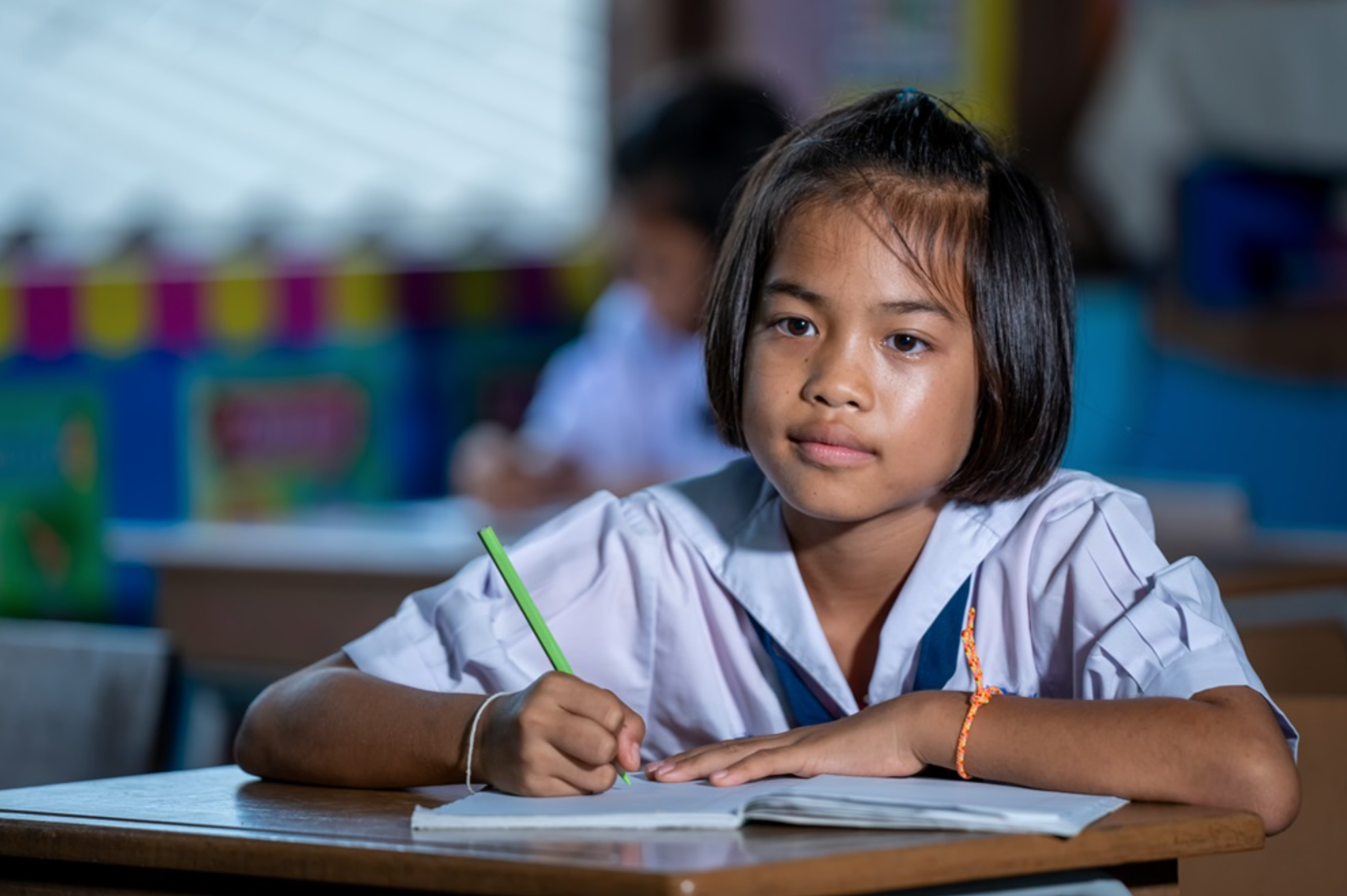
Photo Courtesy: Child Hope Philippines
PHILIPPINES – A student can move from one grade level to the next, complete years of schooling and still struggle with something as fundamental as understanding what they read.
That is the troubling picture emerging from the Philippines’ education system, where a large majority of senior high school students assessed in School Year 2025–2026 were found to need help with reading comprehension.
An analysis released by the Second Congressional Commission on Education (EDCOM 2) in May found that, among nearly 1.9 million senior high school learners assessed through the Department of Education’s Senior High School Literacy and Numeracy Assessment, 58.9 percent were classified as frustration readers and another 28.5 percent were at the instructional level. Only 12.8 percent were considered independent readers.
That means only about 247,000 students in the assessment were able to read and comprehend texts independently. For the rest, teachers may need to provide additional guidance or revisit foundational reading skills that should have been developed much earlier.
The problem did not emerge overnight. The disruptions caused by the COVID-19 pandemic exposed existing weaknesses in basic education, with teachers reporting difficulties among students when face-to-face classes gradually resumed. The Philippines later ranked 77th out of 81 countries in the 2022 Programme for International Student Assessment, including assessments in reading, mathematics and science.
The response has included curriculum reforms and programs designed to strengthen foundational skills. But the challenge is not limited to what happens inside a lesson plan. The education system is also dealing with teacher shortages, crowded classrooms and heavy administrative workloads.
The Explained PH report cited a shortage of more than 56,000 teachers and a classroom shortage of about 144,000. It also noted that some teachers continue to work more than 50 hours a week, adding pressure to educators already handling large numbers of students.
And that is where the education crisis becomes more than a question of test scores.
Behind every percentage is a student who may be expected to understand textbooks, answer exams, finish assignments and eventually enter higher education or the workforce without having fully developed the skills needed to do so.
Behind the numbers is a generation struggling to keep up — and an education system facing the challenge of helping them catch up.