Headline
Thinking of going solar? Quezon City residents can now get free expert guidance through Helpline 122

Abi Sarabia M., Philippine Canadian Inquirer
September 09, 2026
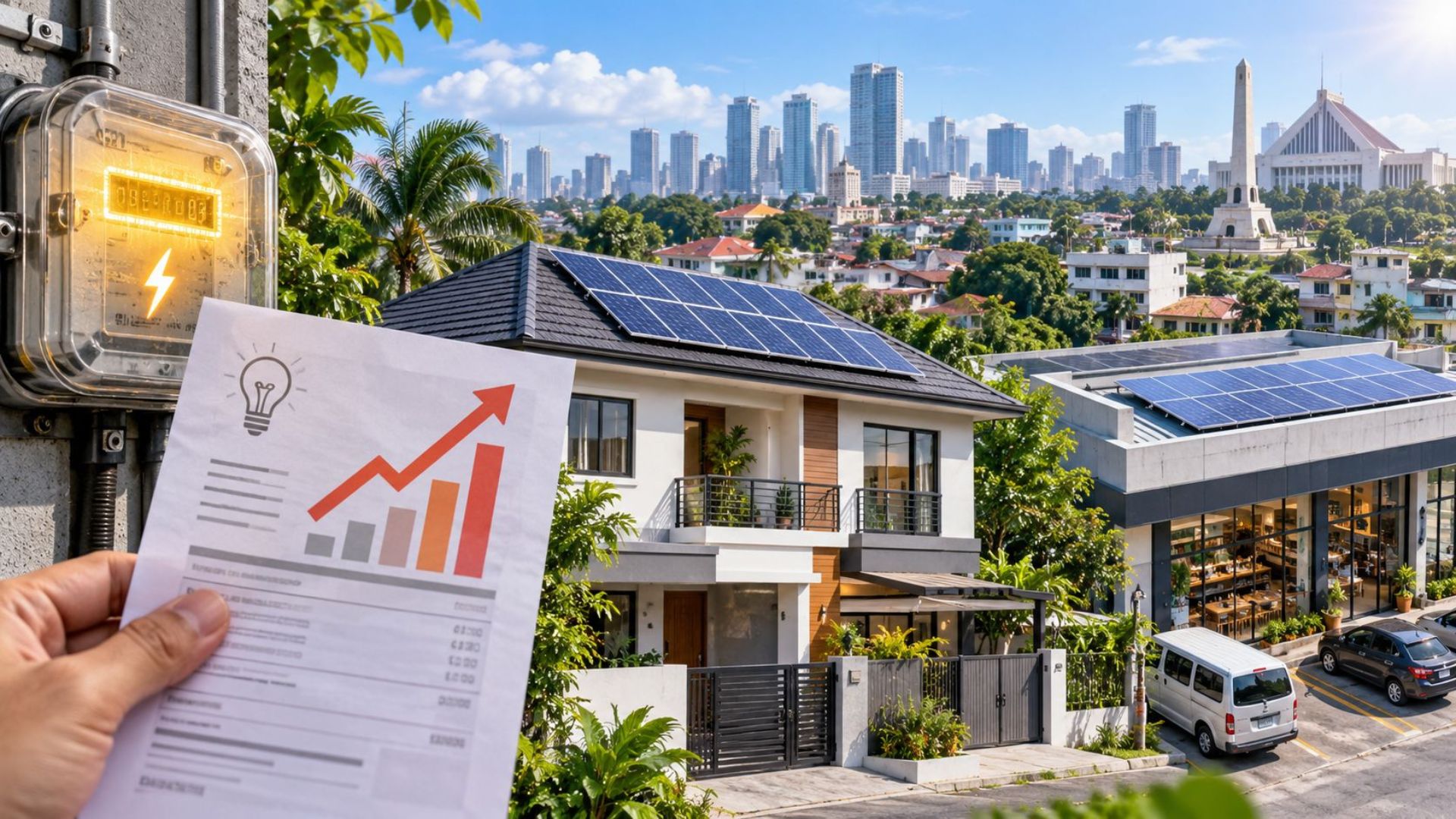
With high electricity bills pushing more Filipino households and businesses to consider rooftop solar, Quezon City is offering residents a place to start before spending on panels, inverters and installation.
Through QC Helpline 122, homeowners, condominium residents and business owners can now get free technical guidance from licensed electrical engineers of the City Engineering Department on whether a solar photovoltaic system is suitable for their property and energy needs.
The service comes as interest in rooftop solar grows nationwide. Philippine residential electricity prices rose sharply in 2026, helping shorten the estimated payback period for residential rooftop solar from around four years to 3.1 years, according to analysis by energy think tank Ember cited by The Philippine Star. High upfront costs, however, remain a major barrier for many households.
How much does going solar actually cost?
There is no single price for a home solar installation. The total cost depends on the size of the system, electricity consumption, roof condition and available space, the type of inverter and panels used, installation requirements and whether battery storage is included.
And contrary to some online descriptions, a solar setup does not necessarily cost ₱100,000 per individual panel. Published estimates from local solar provider Solaric, for example, place a 1.6-kilowatt-peak grid-tied system at around ₱108,000, while larger 3.2-kWp and 5.6-kWp systems were listed at approximately ₱183,000 and ₱270,000, respectively. These are system-level estimates and should not be treated as fixed market prices, as actual quotations vary by property and provider.
This is why simply buying panels based on price alone may not be the best first step.
What can QC Helpline 122 help with?
By calling 122, QC residents can consult city engineers about the appropriate solar system size based on their electricity consumption, technical requirements for safe installation, permit requirements, and solar service providers appearing on the Department of Energy’s list.
The city says the service is intended to help residents make informed decisions and avoid dealing with fraudulent or unlicensed installers.
Before installing a system, engineers may also need to consider the property’s roof condition, available rooftop space, shading and electrical setup. The Department of Energy’s rooftop solar guidance notes that an old or deteriorating roof may need to be repaired or replaced first, while significant shading can reduce a solar system’s energy production.
Can excess solar power lower your bill?
For eligible households, another option is net metering.
Under the Philippines’ net-metering program, renewable energy systems of up to 100 kilowatts may export excess electricity to the distribution grid. The value of that exported electricity is then credited against the customer’s succeeding electricity bill.
For Meralco customers, requirements include a completed application, a Certificate of Final Electrical Inspection from the local government and a net-metering agreement. Meralco currently lists a ₱1,500 Certificate of Compliance application fee, while customers who require a new bidirectional meter may also be charged a meter-cost difference of up to ₱3,000 for residential accounts, subject to applicable rules.
Homeowners who plan to use all their solar generation themselves and do not intend to export electricity may opt for a zero-export arrangement instead, but Meralco still advises customers to inform the utility about their installation for electrical and grid safety.
Is solar worth it for every household?
Not necessarily.
A household that uses much of its electricity during daylight hours may be able to use more of the electricity generated by its panels directly. But savings vary depending on energy consumption, system size, sunlight, weather conditions, financing costs and whether batteries are included.
That makes proper system sizing important: installing a system that is too large or poorly matched to a household’s actual consumption may reduce the financial benefit of the investment.
Quezon City itself has already installed solar systems in seven City Hall buildings, three city government hospitals and 25 public schools, which the local government says generated more than ₱8 million in electricity savings from January to June 2026.
For QC residents interested in making the switch, the city’s advice is simple: get reliable technical guidance before signing a contract or paying an installer.
QC Helpline 122 operates 24 hours a day, seven days a week. For solar-related and other non-emergency inquiries, callers may dial 122 and select the option for public assistance or information.