Headline
DHSUD tells LGUs to assess safety, waste supply before building waste-to-energy plants

Abi Sarabia M., Philippine Canadian Inquirer
September 02, 2026

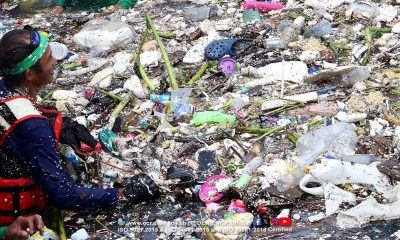
Photo courtesy: Philippine News Agency
MANILA — The Department of Human Settlements and Urban Development (DHSUD) is improving its land-use guidelines to help local governments identify safe areas for waste-to-energy facilities.
The move follows President Ferdinand Marcos Jr.’s call to improve sustainable waste management across the country.
In an interview with Radyo Pilipinas on Tuesday, DHSUD Assistant Director Ivan Sumilang said local governments must carefully study where these facilities should be built.
He said Comprehensive Land Use Plans, or CLUPs, are important because they guide cities and municipalities in deciding where certain projects and facilities can be located.
While the national government sets planning standards, local governments are responsible for enforcing zoning and land-use rules in their areas.
Sumilang said waste-to-energy projects should be carefully reviewed because they can provide energy from waste, but they may also pose environmental and health concerns.
One issue is emissions from the facilities.
“This is one of the new technologies our group is studying,” Sumilang said. “We are also looking at its possible effects on communities. One concern is emissions, so proper distance from residential areas must be considered.”
Under DHSUD planning rules, waste-to-energy plants and other waste management facilities may be placed in designated utility, transportation and service zones.
These areas are selected to reduce possible effects on nearby communities and water sources.
Some proposals suggest placing waste-to-energy facilities near sanitary landfills. This could make waste transport easier and reduce logistics costs.
However, Sumilang said local governments must first determine whether they have enough waste to support such a facility over the long term.
He explained that sanitary landfills should mainly receive residual waste, or waste that can no longer be recycled or reused.
Waste-to-energy plants, meanwhile, need a steady and sufficient supply of waste to operate.
“If the waste supply is not enough, the investment could be wasted,” Sumilang said.
He urged local governments to carefully study how much waste they generate before investing in expensive waste-to-energy projects.
Land-use plans of component cities and municipalities are reviewed by Provincial Land Use Committees. These committees include representatives from DHSUD and the Department of Environment and Natural Resources.
Plans from highly urbanized cities are reviewed by Regional Land Use Committees before final approval.