Environment & Nature
Glacier collapse, not earthquake, believed to have triggered deadly Nepal-Tibet floods

Abi Sarabia M., Philippine Canadian Inquirer
August 28, 2026
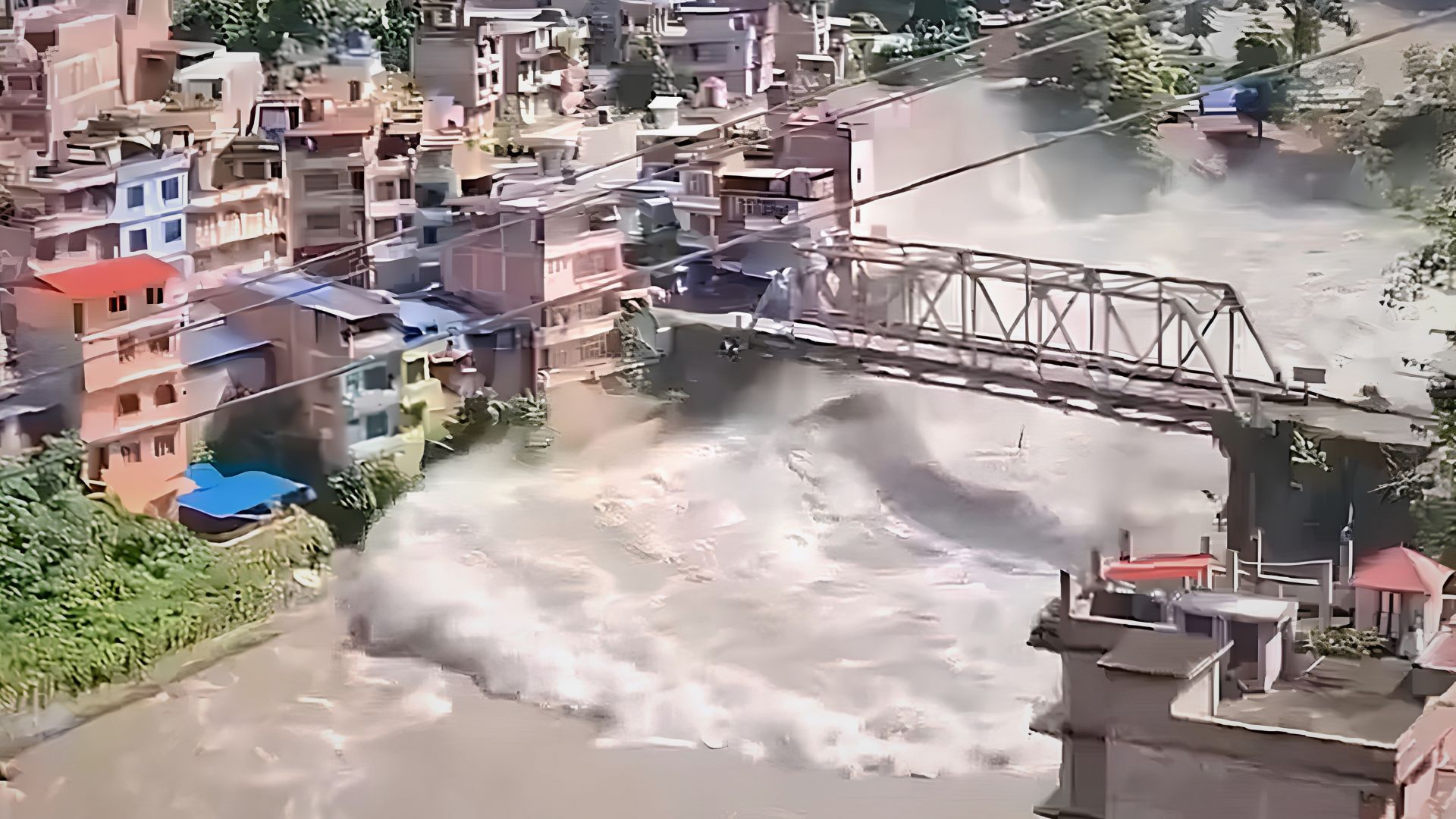
Photo courtesy: Climate Centre
KATHMANDU, Nepal — A massive glacier collapse in the Himalayas, rather than an earthquake, is believed to have triggered the catastrophic floods that swept through Nepal and Tibet this week, killing hundreds and leaving more than 1,400 people missing.
Early reports linked the disaster to seismic activity detected near the Nepal-China border. However, scientists later determined that the signal was associated with the collapse of a huge mass of glacier ice and rock, according to the United States Geological Survey.
The collapse sent enormous amounts of ice, rock and debris into a river system near the border, causing water levels to rise rapidly and unleashing a destructive surge through downstream communities. In some areas, river levels reportedly rose by as much as nine meters within about 30 minutes.
The USGS recorded a magnitude 5.2 seismic event northwest of Kodari, Nepal, on Aug. 26. While such signals can initially resemble earthquakes, subsequent analysis indicated the event was linked to the glacier collapse.
The resulting floods tore through villages, roads and bridges on both sides of the Nepal-Tibet border, complicating rescue efforts in the mountainous region.
As of Thursday, more than 390 people had been confirmed dead and over 1,400 remained missing across Nepal and Tibet, according to the latest figures reported by the Associated Press. Authorities warned that the toll could still change as rescuers reach isolated areas.
Scientists have long warned that the Himalayan region is becoming increasingly vulnerable to glacier collapses, glacial lake outburst floods and landslides as rising temperatures accelerate ice loss and destabilize mountain terrain.