Headline
Nepal deploys cargo drones to reach communities cut off by deadly floods

Abi Sarabia M., Philippine Canadian Inquirer
September 10, 2026
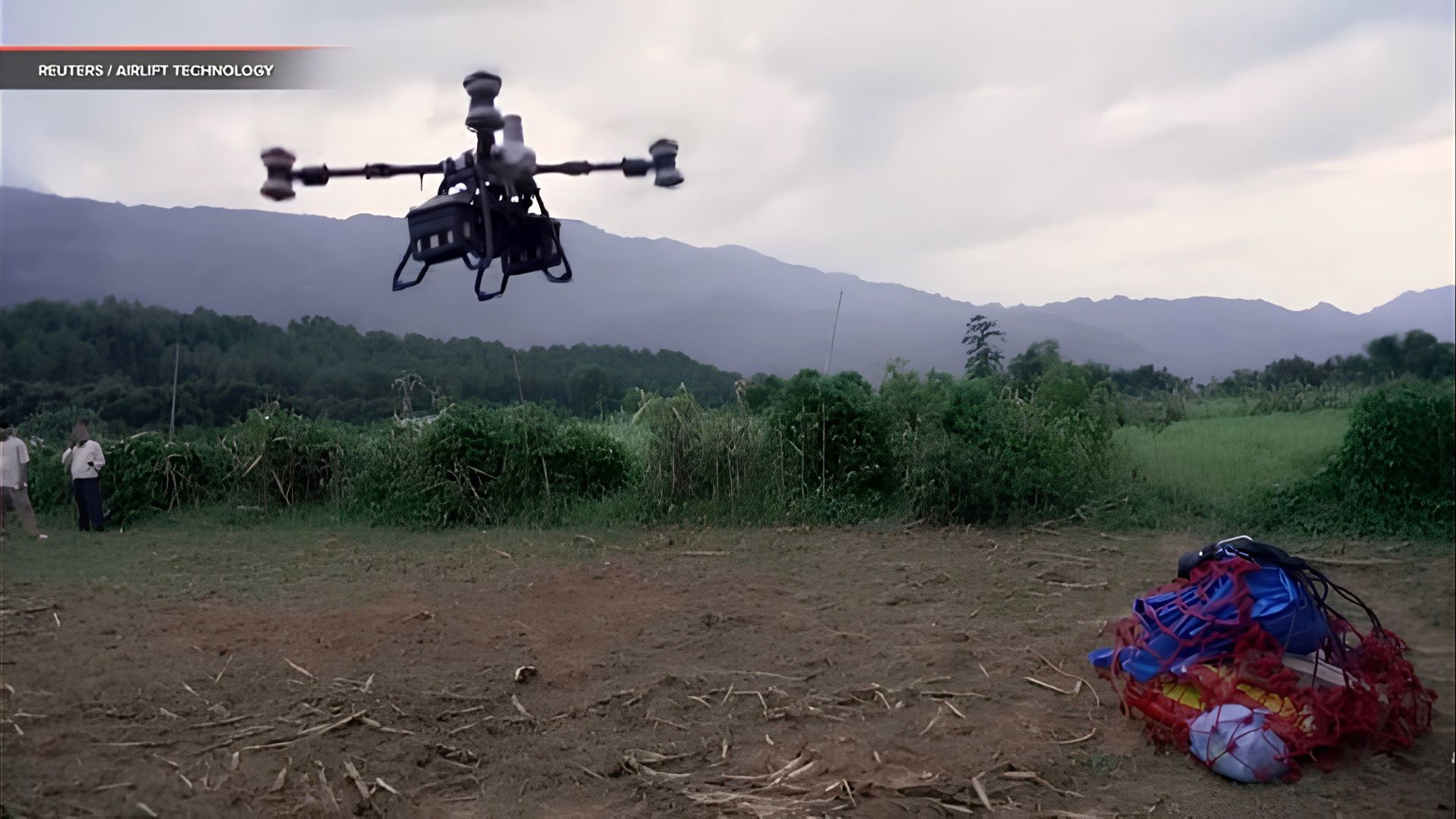
Photo courtesy: Reuters
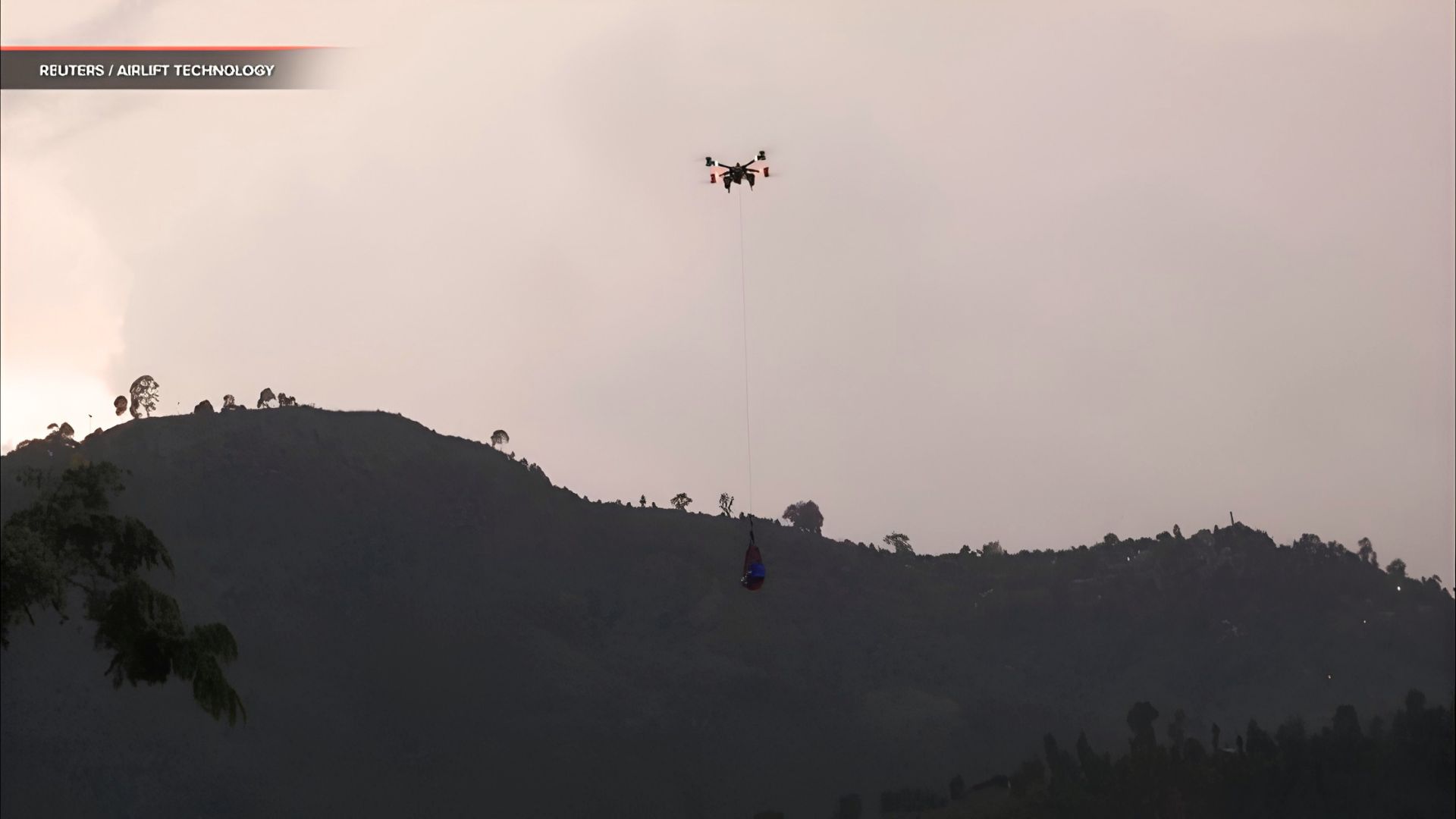
KATHMANDU, Nepal — Nepal is using cargo drones to deliver food, medicine and other essential supplies to communities left isolated after deadly flash floods and landslides destroyed roads and bridges across parts of the country.
With many military helicopters still occupied with search-and-rescue operations, the Nepal Army has turned to drones to reach residents in areas that remain difficult or unsafe to access by land.
In Devighat in Nuwakot district, cargo drones have been carrying relief goods across the Trishuli River to residents cut off by damaged infrastructure.
The drones can transport loads of up to 60 kilograms over distances of around three to four kilometers. The Nepal Army is making roughly 10 to 16 aid deliveries a day using four DJI FlyCart 100 drones donated by China as part of its flood assistance.
Supplies being moved by drone include food, medicines, sanitary products and fuel, allowing relief workers to reach areas where damaged roads and bridges have slowed conventional deliveries.
Nepalese drone pilot Santosh Budhathoki said drones have become particularly useful because helicopters are heavily involved in rescue operations, while many affected areas remain inaccessible by road.
Drones have also taken on broader roles in the disaster response. Smaller reconnaissance aircraft have been deployed to search damaged areas, while drones have even been used to recover bodies from places considered too dangerous for rescuers to reach on foot.
The technology is proving particularly useful in Nepal’s mountainous terrain, where damaged infrastructure and difficult geography have complicated efforts to move humanitarian supplies.
The World Food Programme said some flood-hit communities remain isolated because of destroyed roads, damaged infrastructure and challenging terrain, prompting humanitarian groups to expand logistics support for hard-to-reach areas.
The late-August disaster has killed at least 1,367 people, while more than 5,000 remain missing, according to figures cited by Reuters as of September 9. The floods followed a glacier collapse near the Nepal-China border that sent destructive waters downstream.
As rescue and relief operations continue, drones are increasingly filling a critical transport gap — moving supplies quickly to communities that conventional vehicles still cannot reach.
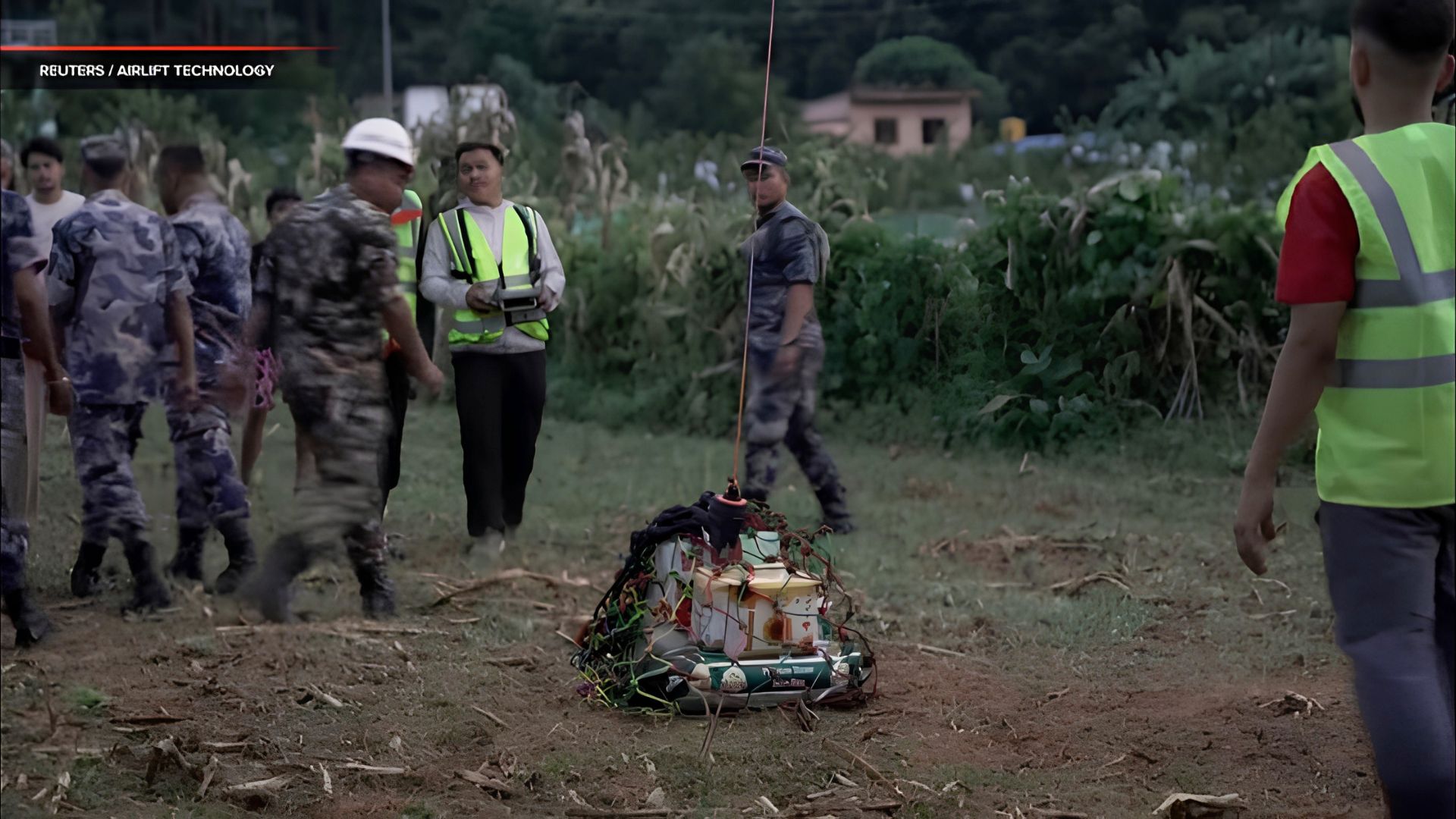
Nepal deploys drones to reach flood-stranded communities
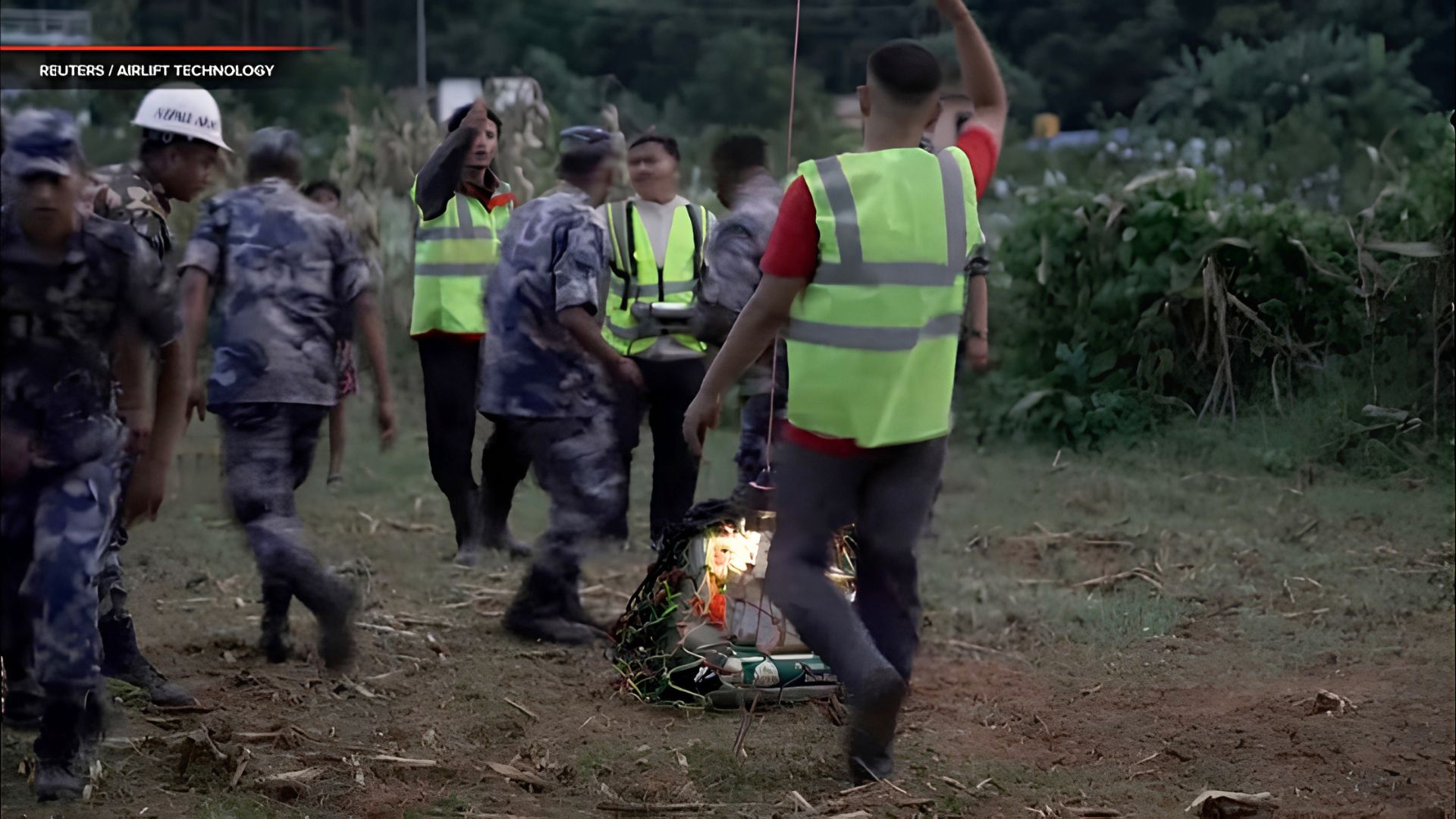
Nepal deploys drones to reach flood-stranded communities
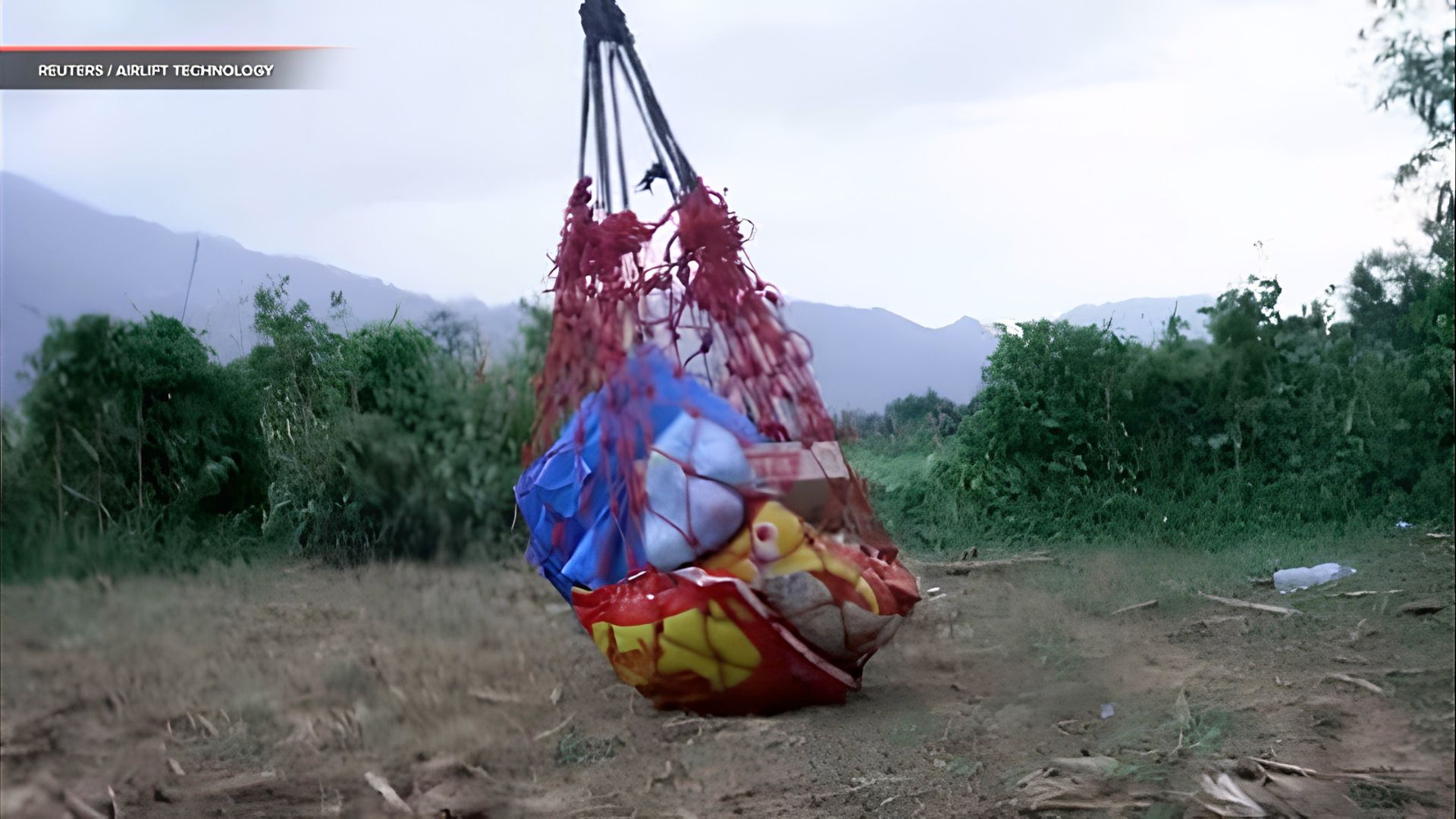
Nepal deploys drones to reach flood-stranded communities
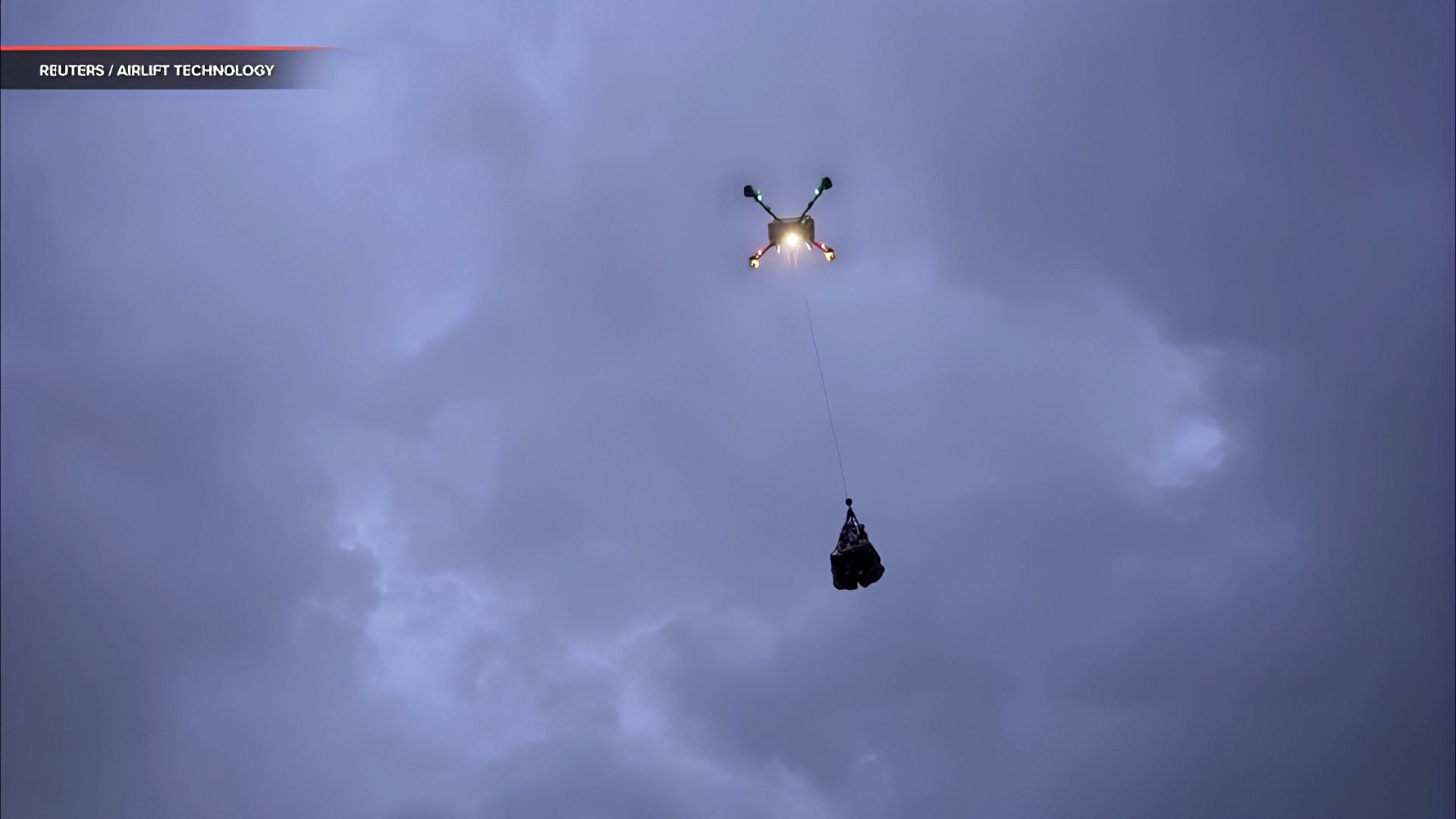
Nepal deploys drones to reach flood-stranded communities
Nepal deploys drones to reach flood-stranded communities