Canada News
Parks Canada unveils new national Indigenous Stewardship Policy

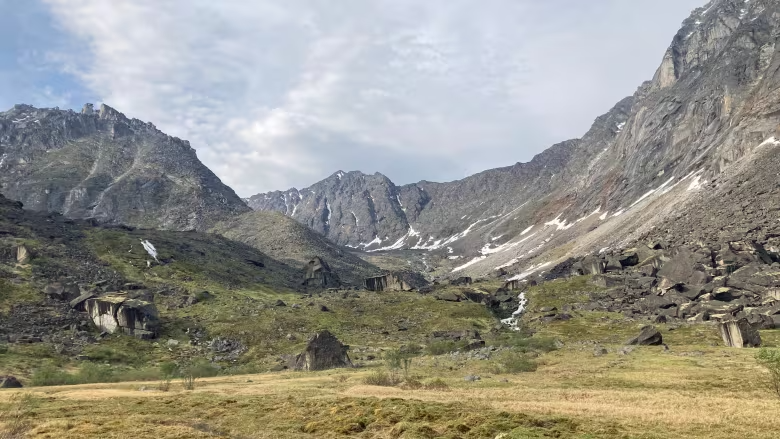
Mountains surrounding Fairy Meadows in Nahanni National Park Reserve in the N.W.T. in the summer of 2022. Later that year, a co-management agreement for the park would be signed between Parks Canada, the Dehcho First Nations and the Nahɂą Dehé Dene Band. (Liny Lamberink/CBC)
By
Several co-governance agreements already exist in the North
Parks Canada has unveiled a new policy focused on Indigenous stewardship.
The policy sets out a framework on how Parks Canada and Indigenous communities can work together to conserve nature and culture.
“We wanted to be able to demonstrate that we’ve been listening for decades and we’ve heard the feedback that’s been provided and we needed to be able to demonstrate a tangible and concrete commitment moving forward,” Nadine Spence, vice president of Indigenous affairs and cultural heritage for Parks Canada told CBC News in an interview.
Parks Canada was created in the 1880s when the first national park in the country was established in Banff, Alta.
Now the government agency manages more than 200 sites including national parks, historic sites and protected areas. It has a complex history with Indigenous communities because First Nations people, Métis and Inuit were displaced, removed and in some cases banned from traditional hunting and harvesting lands.
Chief says more work needs to be done first
But not everyone is on board with the new policy.
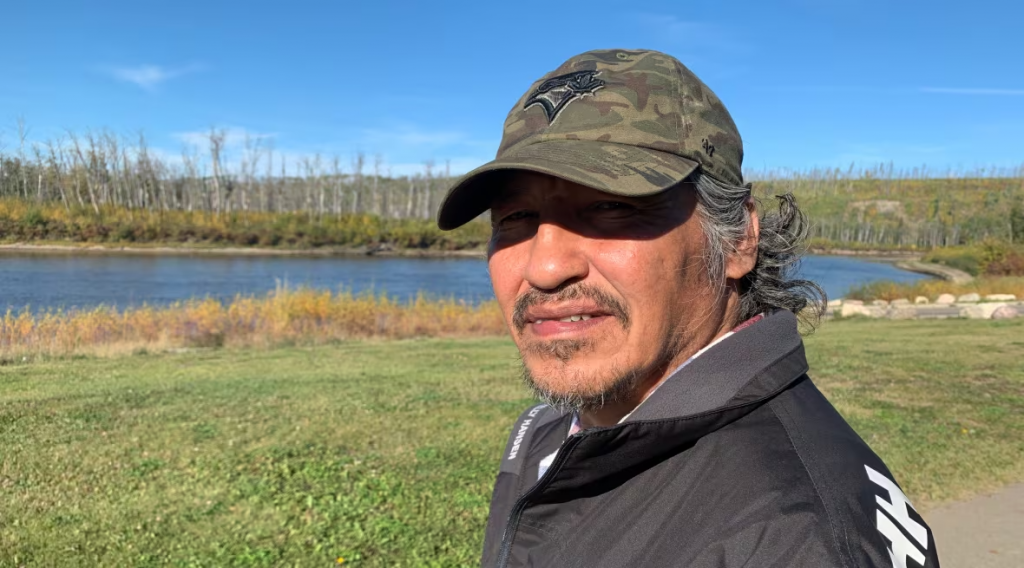
Athabasca Chipewyan First Nation Chief Allan Adam says he would like to see more work put in from Parks Canada first – including correcting the wrongs of the past and having the federal organization recognize Wood Buffalo National Park as traditional territory of the K’ai Tailé Dené.
“You got to remember you removed us from arks back in 1922 and you haven’t resolved that issue,” he said.
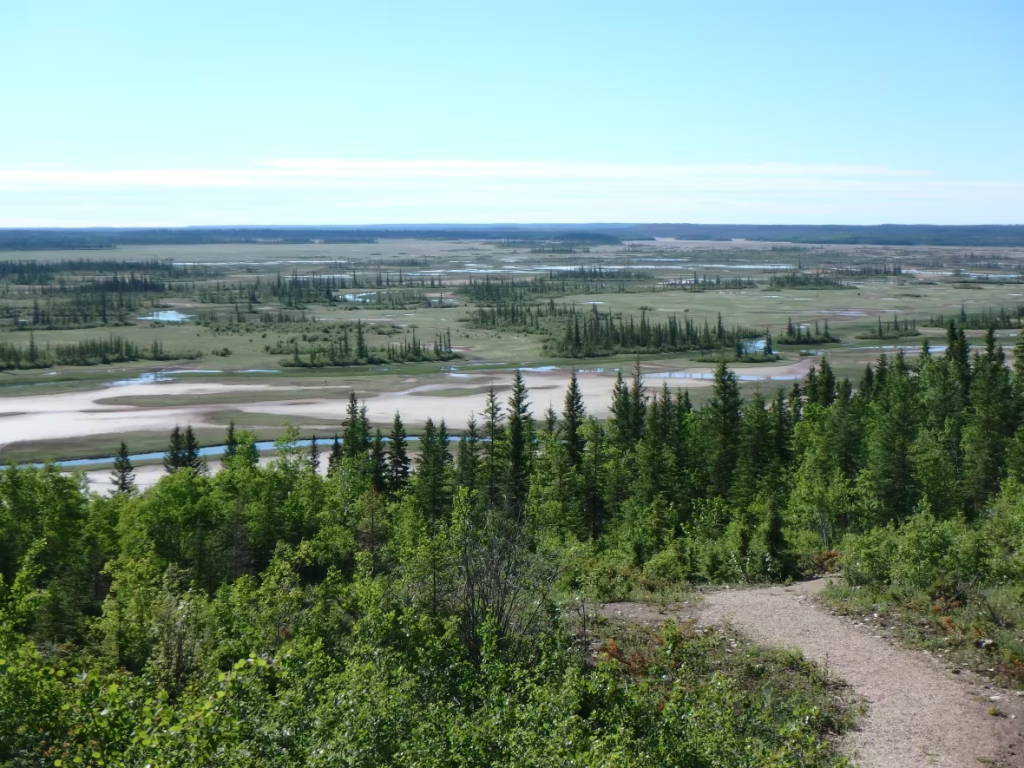
Wood Buffalo National Park is the largest national park in the country with land that spans the Northwest Territories and Alberta. At the time of its creation, all Indigenous and treaty rights were considered extinguished, according to Parks Canada.
Adam’s grandmother was one of the people who was no longer allowed in the national park after Wood Buffalo National Park was established, he said.
“My dad told me the story of what had happened, that my granny was removed from Wood Buffalo National Park at the age of 21 when her husband died.”
The Athabasca Chipewyan First Nation commissioned a report on the history of the park. After conducting interviews with elders and community members, the report was released in 2021. It describes the park’s history as violent and fraught.
It said the park’s co-management strategies didn’t do enough to address intergenerational impacts on Denesųłiné peoples.
“Why would we want to make a co-operative management plan agreement with Parks Canada when we didn’t do anything wrong in the first place,” said Adam. “If we do that, all we’re doing is accepting the wrongdoings of Parks Canada towards our people.”
Trust at the heart of the new policy, Parks Canada says
The new policy was created in collaboration with Indigenous Stewardship Circle, an advisory group created last year with First Nations, Inuit and Métis people from across the country.
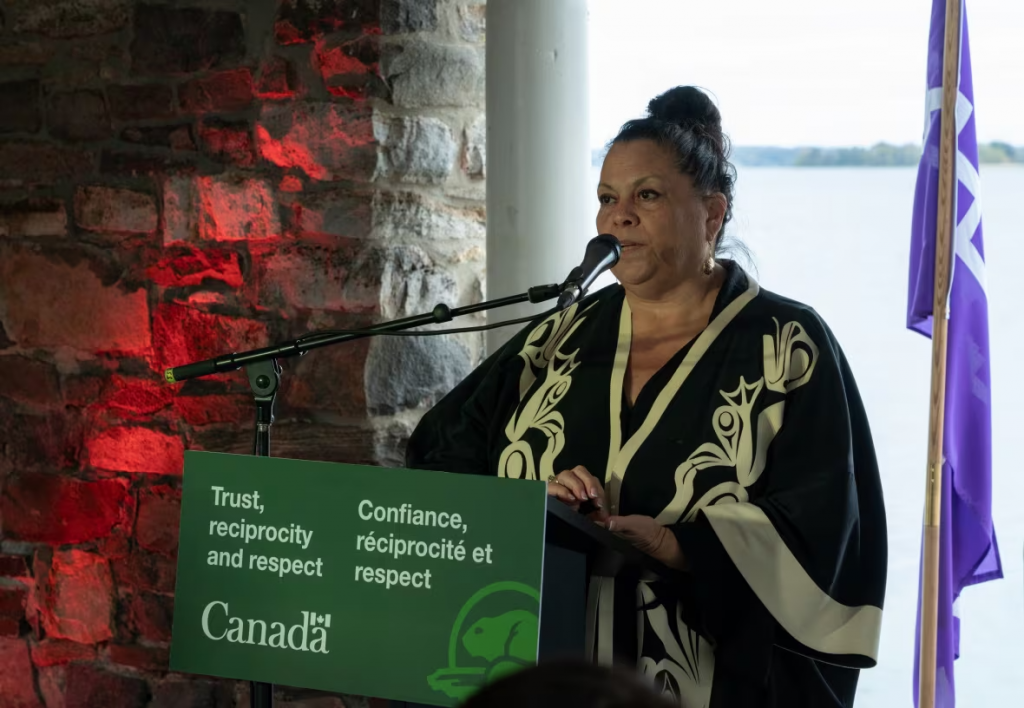
Haida Nation member Cindy Boyko is a chair of the circle and said the policy helps set a new path for Indigenous people and Parks Canada.
“Parks Canada is acknowledging the wrongs of the past and how they did things and making it right,” Boyko said.
The policy objectives, according to the Parks Canada website, are to have a framework for Indigenous stewardship and to support cultural continuity, cultural safety and healing.
But Boyko said what it really comes down to is building relationships.
“This policy document that we’re talking about helps us, guides us to set a different path moving forward and allows First Nations to be included for once,” she said.
North has a history of co-governed parks
The Indigenous Stewardship Policy comes 40 years after Ivvavik National Park was established – the first national park in the country to be created from a land claim settlement and the first park to be co-managed with Inuvialuit.
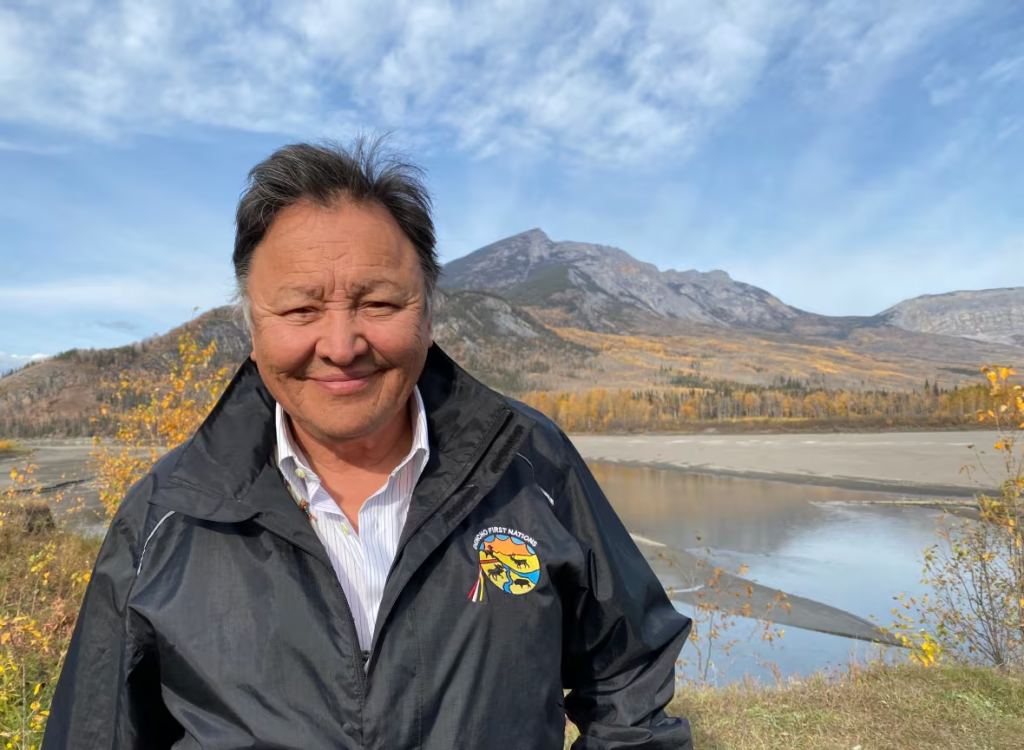
Several co-management agreements for national parks have since been signed in the Northwest Territories, including for the Thaıdene Nëné National Park Reserve in 2019, and for the Nahanni National Park Reserve in 2022.
Dehcho Grand Chief Herb Norwegian, who was at the signing in Nahanni two years ago, said the agreement has been good so far.
While Parks Canada has been managing land across the country for more than 100 years, Spence said all Canadians benefit when listening to Indigenous stewardship practices that have existed for thousands of years. Spence said arriving at this moment — where space is made for Indigenous knowledge — is important.