
Canada News
Heavy fuel oil ban comes into effect in the Arctic, with a big exemption

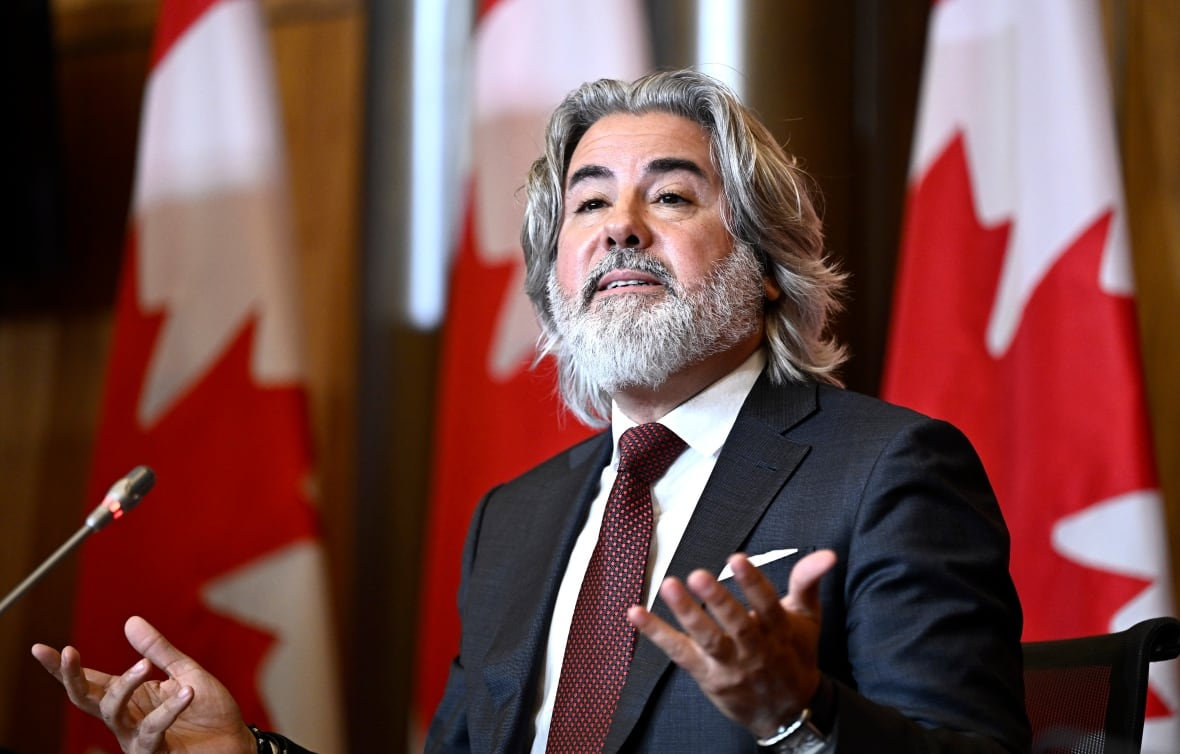
Transport Minister Pablo Rodriguez said the ban will be implemented through an Interim Order while the regulations are being amended. (Justin Tang/Canadian Press via RCI)
· CBC News
Ships from several ship operators in the region will be exempt for another 5 years
Opponents of heavy fuel oil (HFO) have vivid metaphors for it.
“It’s a very sludge-like substance … it’s described as the bottom of the barrel, literally and figuratively,” said Andrew Dumbrille of the Clean Arctic Alliance.
It’s cheap but dirty, and because of its tar-like consistency, HFO is nearly impossible to clean up if spilled.
Such accidents have happened in North America, like in Alaska. Lisa Qiluqqi Koperqualuk, president of the Inuit Circumpolar Council, has seen the impacts.
“They have impacted Inuit and Aleutian communities there and we have seen the devastating impact on the transfer of culture on living and the death of many marine species of both animals, mammals and birds,” she said.
“I think it’s not a matter of what impact it has had [in the Arctic], it’s just a matter of when.”
One would expect some fanfare over the ban on heavy fuel oil in ships crossing the Arctic, which comes into effect as of July 1, following a similar ban that’s been in place in the Antarctic for more than a decade.

“Unfortunately there are loopholes that have been baked into the ban which was decided at the International Maritime Organization” in 2021, Dumbrille said.
That refers to the exemption for some vessels which have protected fuel tanks. They will have until July 2029 to comply.
Domestically-flagged vessels providing supplies, including food and fuel, can apply for a waiver to delay the transition to cleaner fuels for another two years, though Transport Canada said it has not received any applications for that yet.
100% of ships exempt from ban in some companies
In a news release, federal Minister of Transport Pablo Rodriguez said the ban will protect the Arctic from the disastrous effects of heavy fuel spills.
“Canada will always work with other countries, northern residents, and marine stakeholders to keep our environment protected for future generations,” he said in the release.
But there are questions about how far the ban will go.
A 2020 study by the International Council on Clean Transportation found the current ban – with those exemptions – would only reduce the use of HFO in the region by 16 per cent.
CBC reached out to several Canadian companies whose ships cross the Arctic.
Nunavut Eastern Arctic Shipping did not respond.
Baffinland Iron Mines spokesperson Peter Akman replied in a written statement, saying the mining company is not opposed to the ban, but it has concerns about prohibiting HFO “from being carried in vessels’ fuel tanks but not apply to carrying HFO as cargo on tankers.”
It also confirmed 100 per cent of its fleet are MARPOL 12A certified, which meet the standards for an exemption until 2029.
When asked if the mining company will be delaying the switch from HFO across their entire fleet, Akman said, “they can, but they’re not” and did not elaborate.
For those reasons, Dumbrille wants the Canadian government to toughen the rules.
“I think the Canadian government has to put in the regulatory framework, which compels these players to do it because they’re not doing it on their own,” he said.
David Rivest is the president of Groupe Desgagnés, which operates Nunavut Sealink and Supply.
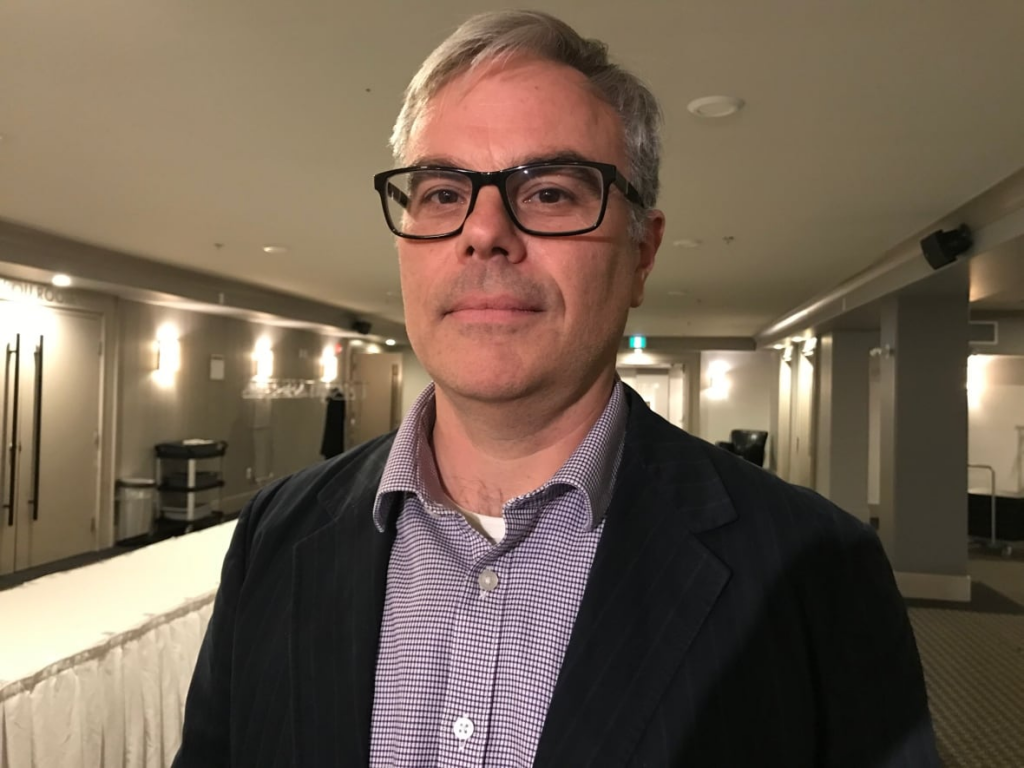
He said all of its ships would also qualify for the five-year grace period, which gives them time to figure out how to shoulder the extra costs of cleaner fuels.
“Our objective is to maintain the lowest cost possible for resupplying the Arctic knowing that it has a significant impact on our consumers,” he said in an interview.
“We have to remain as cost effective as possible, but also balance the environmental responsibility.”
Calls for cost mitigation measures
Rivest said the cost of Nunavut Sealink and Supply shipments won’t be affected by the ban this summer, but prices will likely fluctuate in the future, based on market conditions.
Because of the extra operating costs of switching to cleaner fuels, both the Clean Arctic Alliance and the Inuit Circumpolar Council are calling for cost mitigation measures, to ensure the burden doesn’t fall on northern communities.
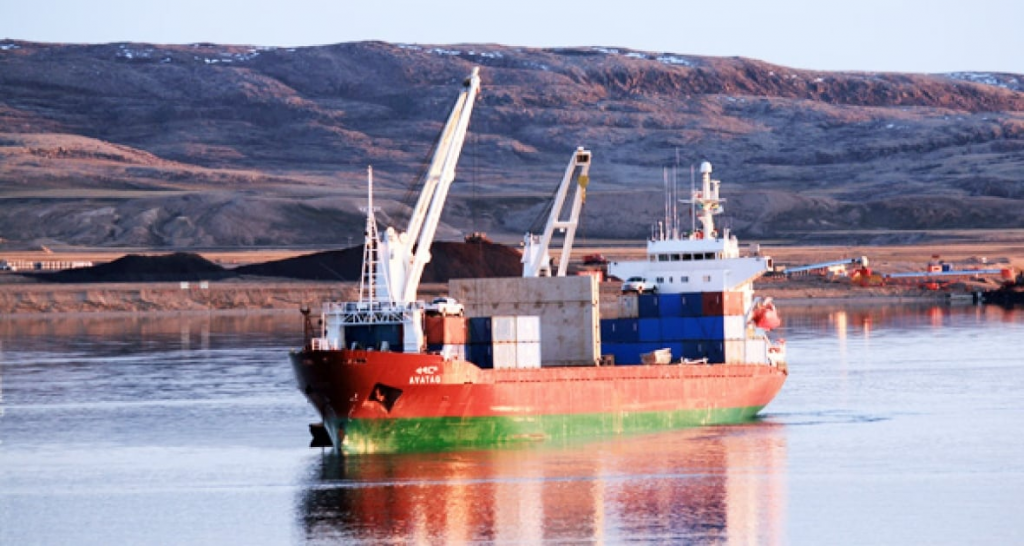
“It would be quite unfair if there would be no cost mitigation plan while everyone is fully aware of the very high cost of living in the Arctic and for the ships that service Inuit communities,” Koperqualuk said.
She also wants discussions between the Canadian government and Inuit organizations about the extra cost for transitioning to less-polluting fuel to continue.
Transport Canada said it has been engaging with Inuit rights holders and partners throughout the process, and will continue to do so.
The ban on HFO in Arctic waters will be included in an amendment to the Vessel Pollution and Dangerous Chemicals Regulations.
That’ll be published in the Canada Gazette, Part 1, later this year, which will have a 60-day public comment period.




















