Lifestyle
How to get kids talking about their school day

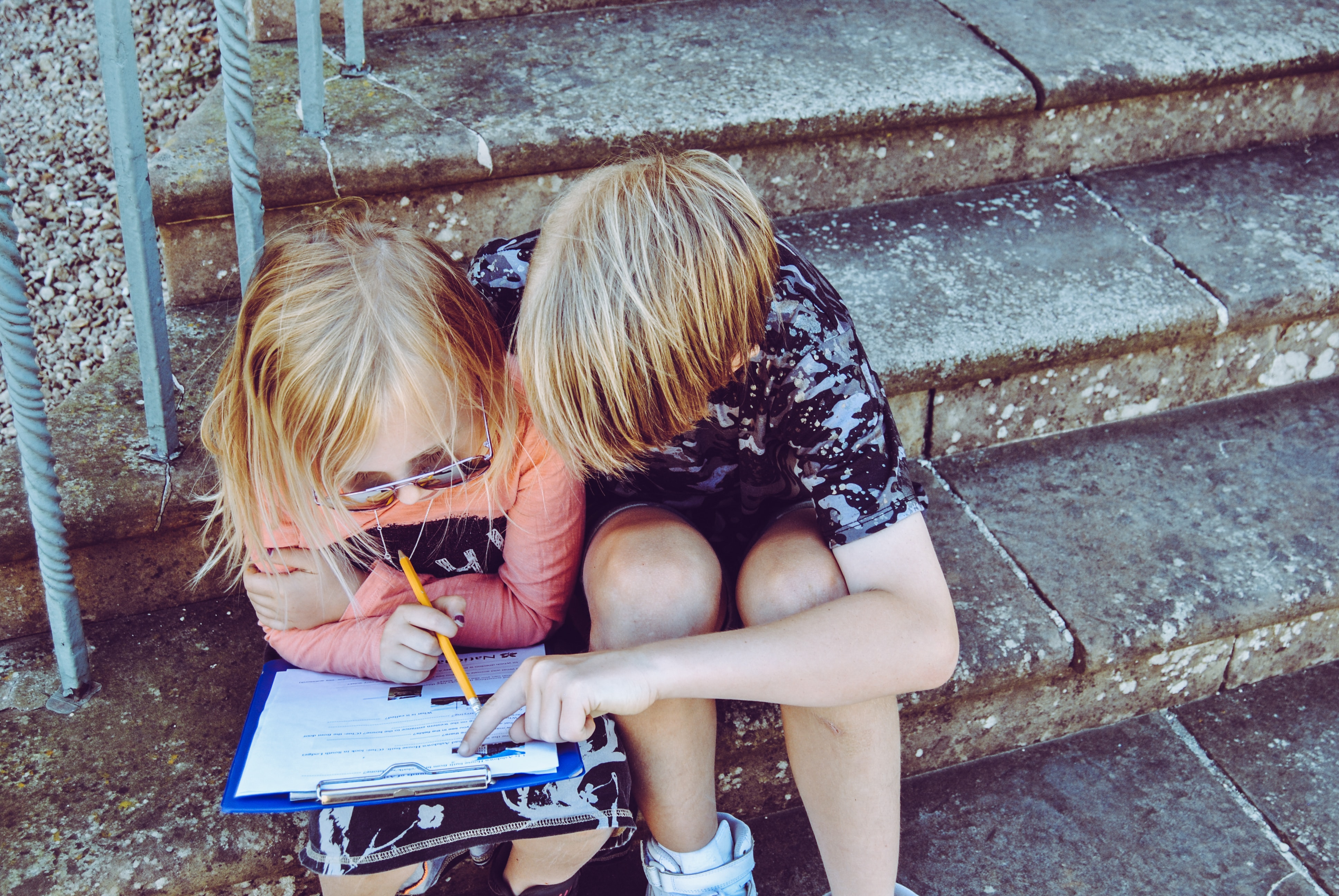
As a result, parents may feel discouraged. How can they get their kids to talk about their school day, without irritating them or having them shut down? (Photo by Rachel on Unsplash)
“How was your day at school?”
“Fine.”
Does this sound familiar? This is the dreaded response to a well-intentioned question that parents might ask.
The robot-sounding response is what parents hear when their child limits the information they share with parents, or has stopped sharing information, about their school day.
When parents hear “fine,” they may react in different ways. Some parents may seek out information by asking more questions. However, research has shown that asking too many questions can feel invasive, especially to developing teenagers.
Other parents may stop asking altogether because they are tired of hearing the same response. However, research has shown that children who perceive low communication from their parents report more mental and behavioural health difficulties.
As a result, parents may feel discouraged. How can they get their kids to talk about their school day, without irritating them or having them shut down?
Communication at different ages
Across all ages, studies have found that parental communication can protect against low self-esteem and poor academic achievement. High parental involvement can also positively influence children’s school engagement, educational goals and academic outcomes. And notably, positive communication can strengthen feelings of connectedness between parents and children.
But like all aspects of development, communication skills unfold over time.
Kindergarten to Grade 1
School day conversations with young children typically revolve around school subjects, new friendships or concrete experiences. For example, a young child might share: “I played on the monkey bars at recess!”
You can further support your young child’s development by organizing and labelling their experiences. For example, “I saw that Joey took your toy today. How did that make you feel?” It can also be helpful to label emotions for children, by verbalizing what you notice, such as:
“It sounds like you were feeling angry because Joey took your toy.”
Grades 2 – 3
Friendships become increasingly important to your child. They may be more interested in talking about their new peer relationships than schoolwork. Try showing interest by asking about their friends, such as:
“Tell me about your friend. What do they like to do at recess?”
Grades 4 – 5
Kids might start to view your questions as demands, leading to less information sharing. It may be easier to approach questions by asking about your child’s peers to start a conversation. You might try asking:
“What do your friends think about the new science teacher?”
Grades 6 – 12
The establishment of personal identity and independence is an essential part of adolescence. As a result, your teen may seek out more privacy and share less information with you. You can support these developmental milestones by demonstrating your interest in their opinions allowing your teen some privacy when needed, and allowing them to take part in family decision making.
Regardless of your child’s age, keep in mind that the quality of frequent but small positive conversations you have with your child over time outweigh the importance of lengthy, drawn-out conversations.
Tips for getting kids to open up
Communication is a two-way street. How can parents communicate with children when they don’t seem responsive?
- Ask open-ended questions
The question “How was your day?” is considered a closed-ended question because it can be answered with one word. Certainly, for some kids, this question could prompt a lengthy chat. But for others, these questions result in the conversation stoppers discussed above.
If that’s the case, try to get the discussion going with an open-ended question like “Tell me what you liked most about your day.” Or you could reflect on something you noticed as a lead-in:
“I see you are in a mixed grade with older kids now. What did you notice about the Grade 4s?”
- Avoid many questions right after school
Kids are often quite tired at the end of the school day. If they are not up to talking right away, try to hold back on your questions until they have had time to relax and have a snack. Once refuelled, they may be up for sharing about their school day.
- For specific information, vary your angle
You might want to know something specific about your child’s day, like whether they were bullied or if someone caused them to feel upset. However, asking direct questions like “Why are you so mad?” can feel like an invasion of privacy.
If you’re concerned about your child, start with a different angle to the question. You could take an indirect route, like “You seemed upset after school, what happened?” Or, begin a conversation with a broader question first, such as:
“Do you think any kids in your class are being bullied?”
- Listen before your talk
Parents who listen communicate that they are interested in and understanding of their child. But becoming a good listener can take practice. When your child tells you about their day, put away devices, try to maintain eye contact and provide your undivided attention.
- Promote problem solving
If your child mentions they are struggling in some way at school, such as with a peer or teacher, or in understanding their math homework, avoid trying to fix it for them.
Rather, use it as an opportunity to foster problem solving by encouraging your child to come up with a few possible solutions to their problem. Then help them pick what seems like the best solution, and then evaluate with them whether the solution was effective or not. If not, go back to the drawing board together and try again!
- If necessary, seek help
If your child stops opening up about their daily activities, it can be worrisome. This is especially if the case if your once-chatty child has suddenly become a closed book. If you notice drastic changes in your child’s behaviour, it is worth checking in with your child’s family doctor, teacher or seeking services from a mental health professional.
Committing to communicating with our kids means taking the time to really connect with them. If parents repeatedly ask questions that are intentional, caring and engaging, they may soon be surprised to see that their kids are the ones who want to talk about their school day without being prompted!
———
This article is republished from The Conversation under a Creative Commons license. Disclosure information is available on the original site. Read the original article:
https://theconversation.com/how-to-get-kids-talking-about-their-scho