
Canada News
New national campaign launched to reduce household food waste

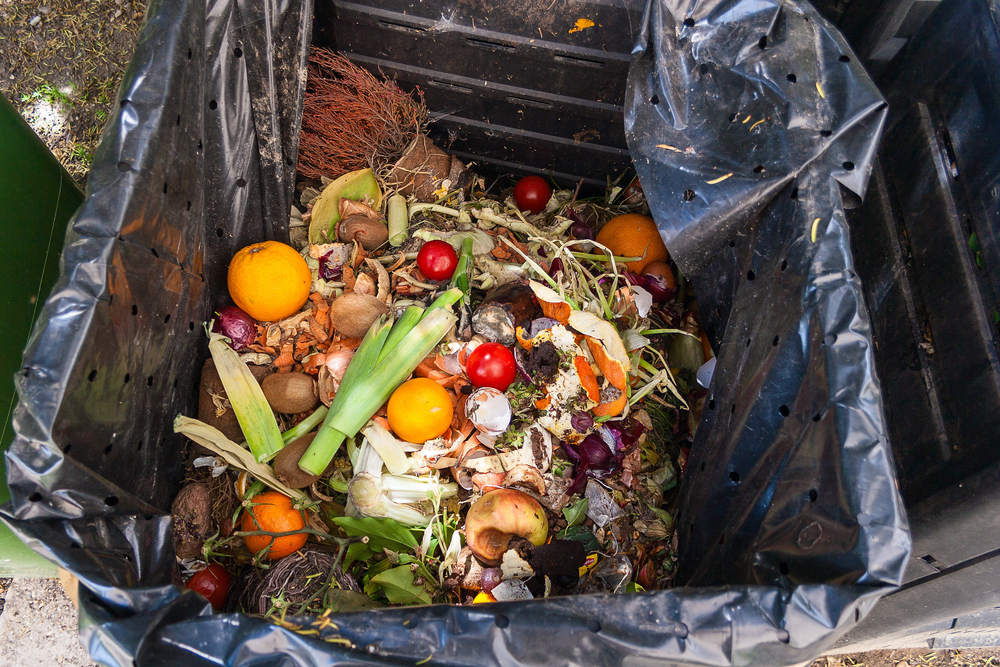
The Love Food Hate Waste campaign will offer tips on food storage, meal planning and smarter shopping habits to help citizens avoid over-purchasing, and therefore throwing out, food. (Shutterstock)
MONTREAL — Every day, an estimated 2.4 million Canadian potatoes are thrown in the trash.
That’s along with 1.2 million apples, one million cups of milk, 750,000 loaves of bread and 450,000 eggs tossed every day, for a total of 2.2 million tonnes of edible food waste per year, according to the authors of a new campaign to reduce food waste.
On Wednesday, a group made up of governments, non-government organizations and food retailers announced a new initiative to tackle Canadians’ food habits, which they say are some of the most wasteful in the world.
The Love Food Hate Waste campaign will offer tips on food storage, meal planning and smarter shopping habits to help citizens avoid over-purchasing, and therefore throwing out, food.
“All too often we focus on the problem, but it’s really all about action, about collaboration and about leadership,” Bob Long of the National Zero Waste Council said at the campaign launch event in Montreal.
The group stressed that Canadians’ wasteful ways are costly to both the environment and their wallets.
It said a 2017 study suggested 63 per cent of food that is thrown out is still edible, which costs the average Canadian household more than $1,100 each year and amounts to 140 kilograms of food per household annually.
The rest is made up of materials such as peels, bones and tea bags, which are considered “unavoidable” waste.
In terms of greenhouse gas emissions, that 2.2 million tonnes of food waste is the equivalent of adding 2.1 million cars to the road, the group said.
One survey found that about 47 per cent of Canada’s food waste occurs in the household, with the rest coming during the production and distribution stages.
Sophie Langlois-Blouin of Recyc-Quebec, one of the campaign partners, says the solution isn’t complicated: plan better, store better and use more of what is bought.
“It’s simple enough, and it allows us to have an impact on the environment but also to reduce the costs, because materials we could have eaten that we throw out have costs,” she said in Montreal.
The campaign follows the National Zero Waste Council’s food loss strategy, which has set a goal of halving Canada’s food waste by 2030.
It is based on a similar drive in the United Kingdom which successfully helped to reduce avoidable food waste by 21 per cent over five years, according to information provided by the campaign.




















