
Philippine News
Broadband infra project launched to improve Internet speed

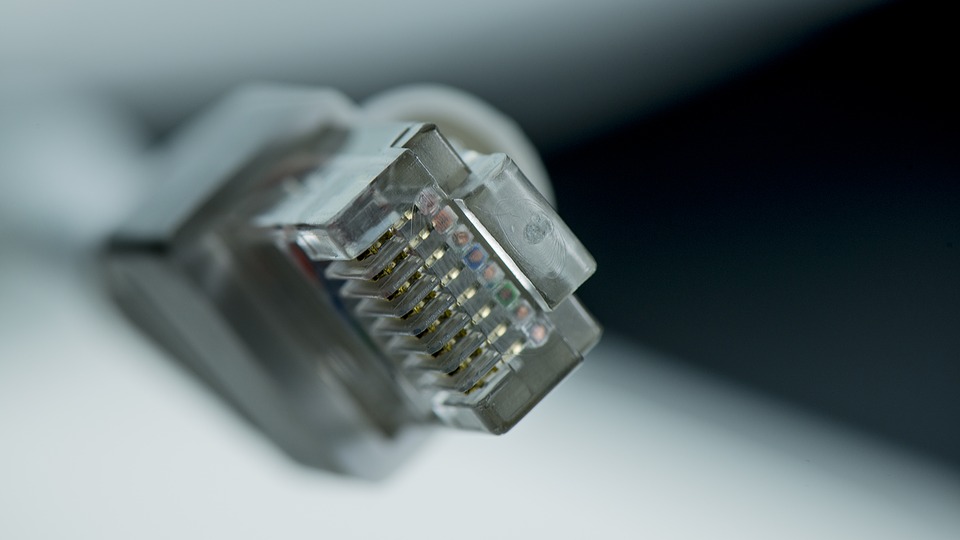
A submarine cable system that will land in the cable stations and provide direct connections from Luzon to Internet hubs in the United States and Asia will be constructed and operated. (Pixabay photo)
MANILA— The government is expected to have the capability to become the third major player in the local telco industry once its newly launched broadband infrastructure, which would help improve Internet speed and accessibility in the country, becomes operational by 2019.
The project, dubbed Strategic Engagement and Collaboration to Undertake a Reliable and Efficient Government Internet (SECURE GovNet), will build an ultra high-speed information highway that would improve speed, affordability, and accessibility of broadband internet throughout the country.
It will facilitate the implementation of the National Broadband Plan, free public WiFi program, National Government Portal and other information and communication technology (ICT) projects of the Department of Information and Communications Technology (DICT).
“This project is an integral part of the National Broadband Plan, which will significantly reduce Internet costs and improve Internet speed. It will ease the implementation of DICT’s connectivity programs, such as the Free Public WiFi where we plan to have around 250,000 sites nationwide and the National Government Portal,” DICT Officer in Charge Undersecretary Eliseo Rio said during the signing of the High-Speed Internet Infrastructure Landing Party Agreement with the Bases Conversion and Development Authority (BCDA) and Facebook at the Bonifacio Global City Wednesday.
Under the agreement, Facebook, which is the first party utilizing the infrastructure, will provide spectrums equivalent to at least 2 million megabytes per second (Mbps), expanding the capacity available for the government’s connectivity programs.
“These projects, as well as other connectivity projects of DICT and other line agencies of the government and LGUs will flourish in the long term now that we have access to the international gateway at low costs,” Rio said.
A submarine cable system that will land in the cable stations and provide direct connections from Luzon to Internet hubs in the United States and Asia will be constructed and operated.
“These 2 terabytes per second is almost equal to the current combined capability of Smart and Globe. We will now have the capability to become the third telco player in the country,” Rio said.
The DICT official said it will provide opportunities for minor telco providers to operate the broadband infrastructure on behalf of the government.
The BCDA will build the Luzon Bypass Infrastructure, consisting of two cable landing stations in Baler, Aurora and Poro Point in San Fernando, La Union connected by a 250-km. cable network corridor.
The infrastructure provides a terrestrial bypass route for international submarine cable systems seeking diversity from the Luzon Strait, which is prone to multiple simultaneous submarine cable breaks.
The construction of the cable landing stations and other facilities is estimated to cost the BCDA more than PHP900 million, to be funded through the 2018 national budget.
DICT will operate the bypass infrastructure, maintain the related facilities, and provide last-mile connectivity in the Philippines.
The Luzon Bypass Infrastructure will operate for 25 years from 2019 to 2044 and may be renewed 25 years thereafter.
“With the signing of the cable landing agreement, this signals the start of the procurement and construction process until early 2019,” Rio said.
President Rodrigo Duterte has signed Republic Act No. 10929 which will provide free Internet access in national and local government offices; public basic education institutions; public hospitals, health centers, and rural health units, public parks and plazas, airports, seaports and bus terminals.




















