Canada News
Focus northern emergency response on people who live there, not tourists: report

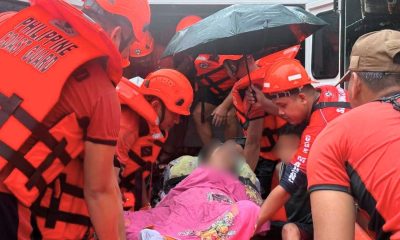
A study done across the North is suggesting that emergency planners in the Arctic should start thinking about the people who live there and stop talking about tourists on cruise ships.
“Everyone’s focused on what happens when the cruise ship goes down and what’s going to happen as shipping increases in the Northwest Passage,” said Sara French, who conducted the study for the Munk-Gordon Arctic Security Program in Toronto.
“But we’ve got some real challenges in responding to emergencies right here, today, for those who are living in the North.”
Program staff held discussions on emergency preparedness in the three northern territories last fall. The results suggest the current approach is inadequate and getting worse.
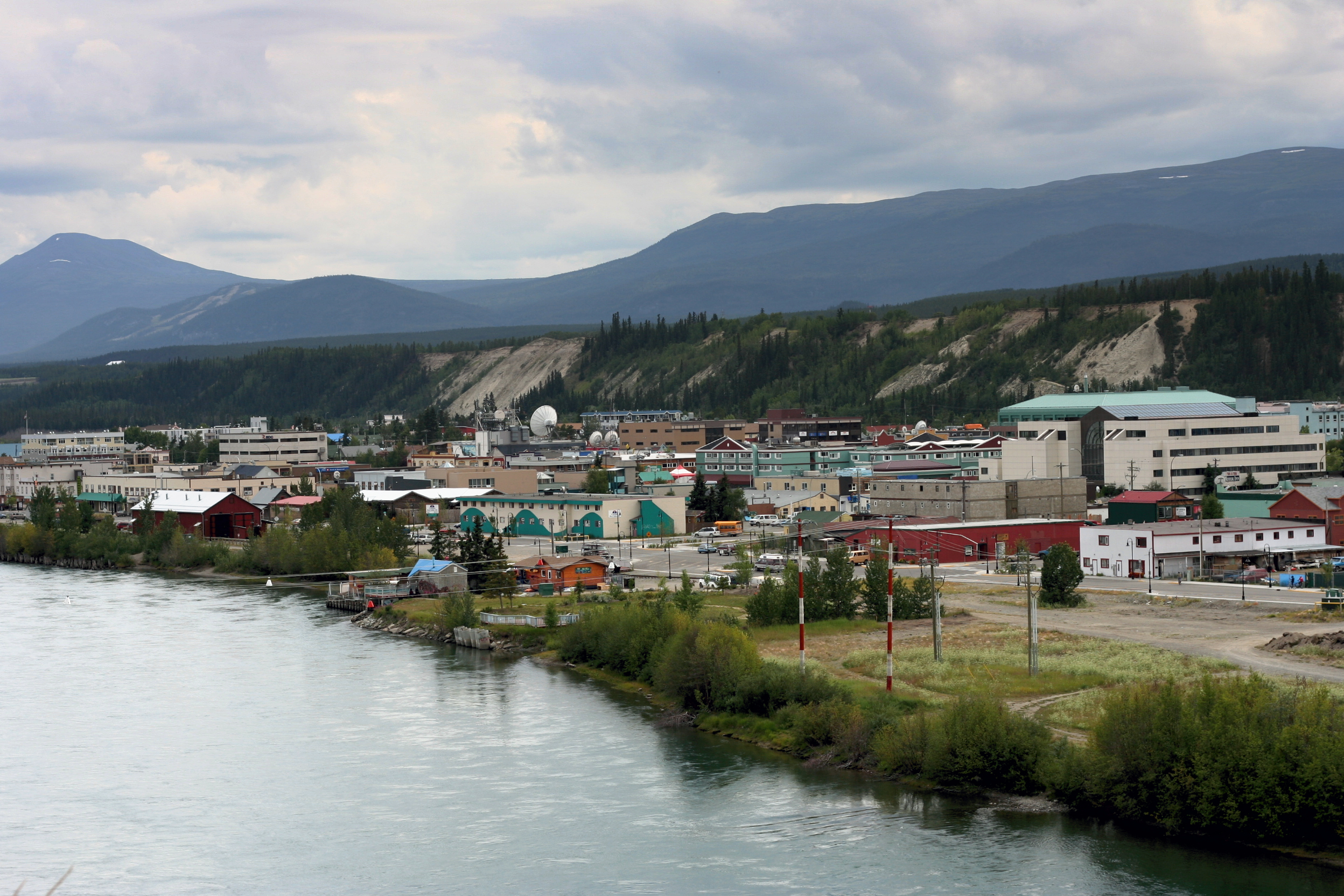
Only one community — Whitehorse, Yukon — has 911 service and there are no search-and-rescue aircraft based in the North. That means there are long delays before southern-based planes can reach Arctic skies.
The study also points out that spring floods are common in communities along rivers. Earthquakes happen on a weekly basis. Climate change is creating larger and more severe forest fires and making travel on previously well-understood routes more hazardous.
Critical infrastructure from power plants to communications systems are aging and vulnerable.
Small communities, unwilling to give up looking, are sometimes forced to raise thousands of dollars when official searches for people lost in the wilderness are called off.
“This is something that is a day-to-day issue in the North,” said French.
She suggested northerners need the resources to be able to look after themselves. She pointed out that the first responders to a 2011 airplane crash in Resolute, Nunavut, in which 12 people died, were all local volunteer firefighters.
“What northerners are saying is that ‘we know that we’re on our own, at least for the first (hours). Arm us with the tools we need to respond. Those are our family. Those are our friends, and we’re going to go out there and do whatever we can.'”
Large improvements could be made for relatively little money, said French. Local responders need upgraded training on basic wilderness first aid and on defibrillators, radios, GPS units and maps. Technical skills for rescues involving swift water, crevasses and avalanches should be taught.
Communities should have their own emergency plans.
Local responders should have the chance to meet with southern rescue staff to build relationships and to give southerners a better sense of northern conditions.
“A huge barrier to having effective response to emergencies is that often these people had never met each other until things went down,” said French.
As well, she said, some assets such as search planes should be based in the North. The purchase of fixed-wing search-and-rescue airplanes has been delayed for years.
Proper emergency response is part of demonstrating sovereignty in the Arctic, French said. But the better reason to improve that capability is because northerners are Canadians, too.
“We’re asking for them, as Canadians, for the basic services that everyone else takes for granted. Simple things like weather monitoring services at airports or being able to predict floods — those monitoring systems we have everywhere else in the country.”
The study was produced independently but included participation from federal ministries including defence, public safety, transport, health and the coast guard. It is to be forwarded to the federal government.