Canada News
Convicted killer’s attendance at McGill law school sparks debate over campus safety and rehabilitation

Floyd Brenz., Philippine Canadian Inquirer
October 16, 2026
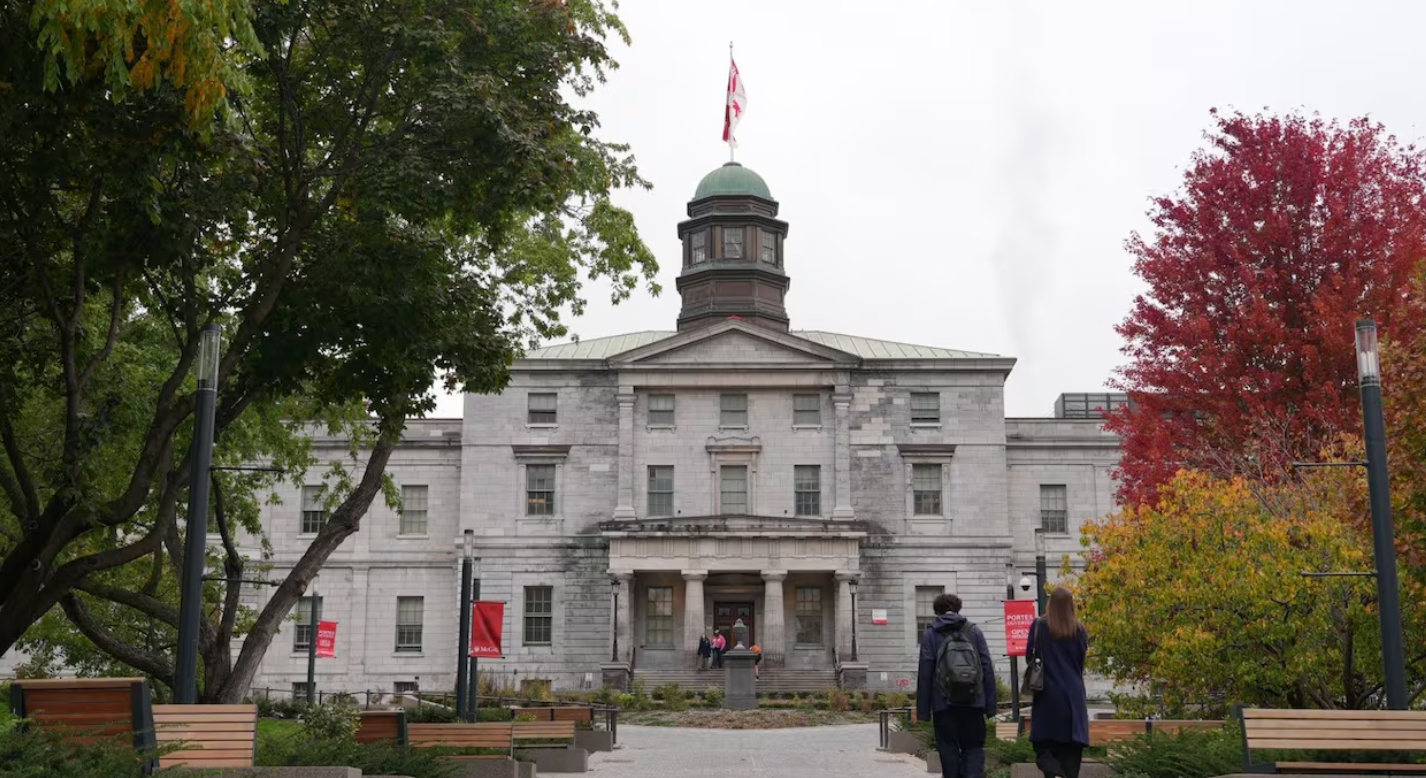
Photo Courtesy: CBC News
The presence of a convicted murderer attending classes at McGill University’s law faculty has divided students in Montreal, raising difficult questions about campus safety, transparency and whether people who have served decades in prison should be given opportunities to rebuild their lives.
Jeffrey George Ewert, who is serving a life sentence for second-degree murder and attempted murder, began attending law classes at McGill in August while on day parole. His criminal history became a source of concern among some students, several of whom questioned why they had not been informed about his past.
Ewert was convicted for two violent attacks committed in British Columbia in 1984. In one case, he killed a woman. In another, he severely assaulted a 15-year-old girl, leaving her with permanent disabilities.
Some students said they felt unsettled learning about his convictions only after conducting their own research. They argued that greater transparency from the university would have helped them understand the situation and make informed decisions about their interactions with him.
One student described the concern as a lack of transparency, saying that knowing about his background and the safeguards in place could have helped students feel more secure.
McGill University declined to discuss Ewert’s individual circumstances, citing privacy laws. However, a university spokesperson said criminal background checks are not typically part of Canadian universities’ admissions procedures and that the institution would act if concerning information about a student’s background or conduct came to its attention.
The university also said it would work with relevant government agencies and review its admissions processes to help maintain a safe campus environment.
Ewert’s lawyer, Nora Demnati, said McGill was aware of his history and parole status when he applied. She argued that his efforts to pursue legal education should be considered as part of his rehabilitation and said he had been open about his past and the conditions of his release.
Demnati acknowledged that students may feel concerned but said Ewert was in his 20s when he committed the offences and has since worked to change his life. She urged the university community to give him an opportunity to continue his reintegration into society.
However, parole records show that his release comes with strict conditions. These include restrictions on certain activities, requirements to report relationships with women and monitoring of his communications. His day parole was temporarily suspended in 2025 after concerns about his interactions with women and his conduct at a community residential facility.
The Parole Board of Canada has also raised concerns about his attitudes toward women and his understanding of risk factors associated with his past offences. Officials responsible for supervising people on parole say they monitor their activities and can suspend release if behaviour or compliance raises concerns.
The controversy has also highlighted the views of students who support Ewert’s return to education. Some said they had interacted with him and felt safe, describing his efforts to pursue a law degree as evidence of the importance of giving people opportunities after incarceration.
The debate touches on a broader question within Canada’s justice system: how to balance public safety with rehabilitation and reintegration. While supporters argue that education can help people rebuild their lives, others say institutions must communicate clearly when circumstances raise concerns about the safety and well-being of their communities.
For McGill, the situation has prompted questions about what universities should disclose, how they should respond to concerns about students’ backgrounds and what responsibilities they have toward the people studying and working on campus.
At the centre of the dispute is a difficult balance between the possibility of personal change and the need for students to feel informed and safe in their learning environment.