Canada News
Canada unveils new security strategy, vows to prepare for war and emerging threats

ASM, Philippine Canadian Inquirer
October 30, 2026
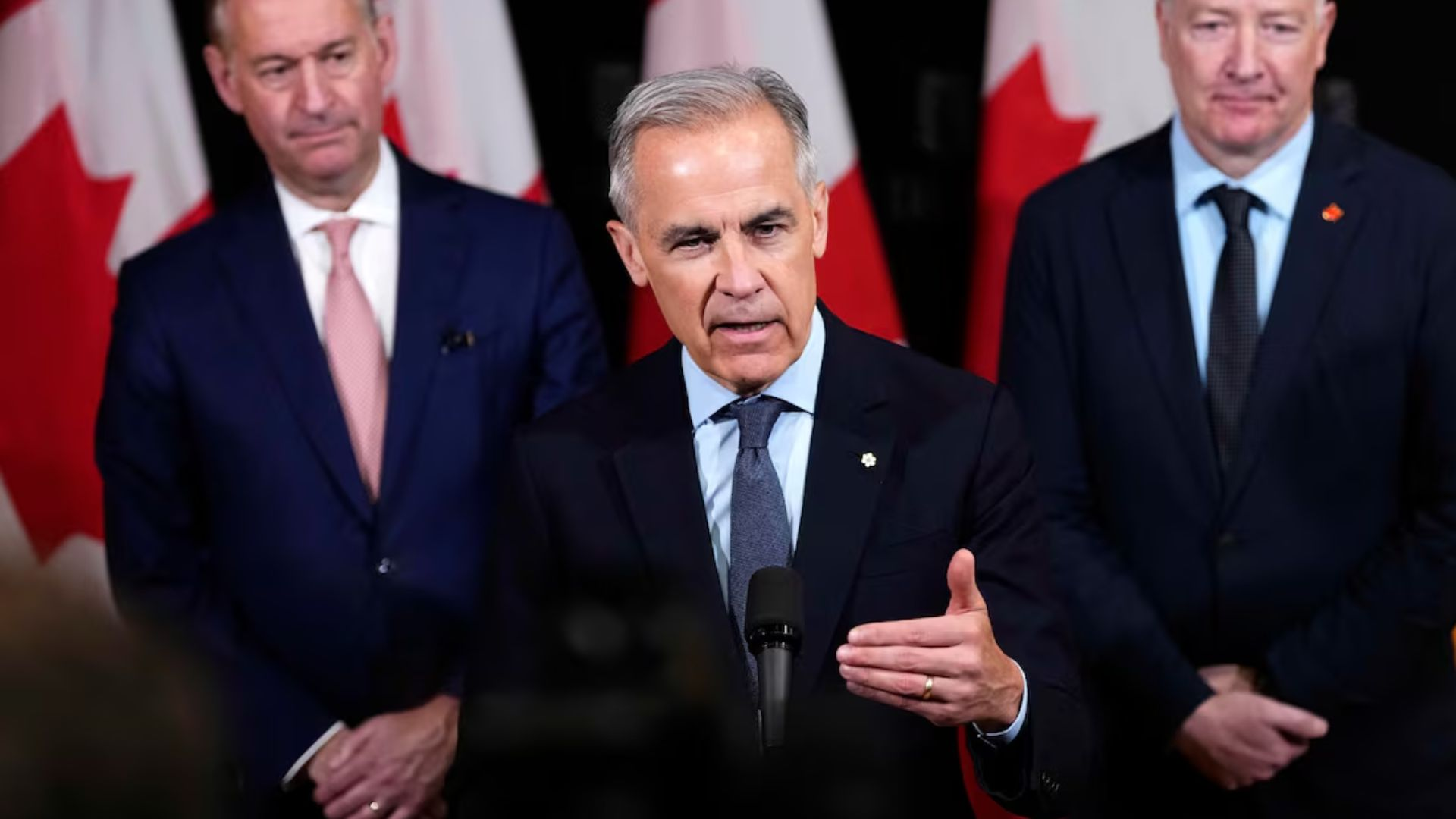
Photo courtesy: The Globe and Mail
OTTAWA, Canada — Canada is preparing for a wider range of national security threats, including the possibility of war, as Prime Minister Mark Carney’s government moves to strengthen the military, expand intelligence capabilities, and protect critical industries.
The federal government unveiled The Plan for a Stronger Canada on Thursday, October 29, marking the country’s first comprehensive national security strategy in more than 20 years.
The plan reflects growing concerns over cyberattacks, foreign interference, economic pressure, artificial intelligence, and military conflicts that could affect Canada’s security.
It also signals a broader shift in Ottawa’s approach, placing economic resilience alongside military defence as a central part of protecting the country.
In the strategy, the government commits to preparing for emergencies and worst-case scenarios, including war.
However, the document does not announce an imminent conflict or identify a specific country preparing to attack Canada. Its focus is on strengthening the country’s ability to respond to different threats.
Canada puts national security on a new footing
The strategy argues that Canada can no longer rely primarily on its geographic location, international partnerships, or the global rules-based order to guarantee its security.
In his introduction, Carney said the international environment has changed, with threats to sovereignty becoming more immediate and economic relationships increasingly vulnerable to disruption.
The government wants Canada to develop greater strategic independence while maintaining cooperation with allies.
That means investing not only in defence equipment but also in technologies, resources, industries, and infrastructure needed to withstand major crises.
The plan identifies eight sectors considered essential to national security:
- Emerging technologies, including AI, quantum computing and telecommunications
- Critical minerals
- Defence
- Energy
- Transportation
- Pharmaceuticals and biotechnology
- Food security
- Payment, settlement and investment systems
Ottawa argues that protecting these sectors would help Canada maintain access to essential goods, services, and technologies during international disruptions.
The strategy also seeks to reduce vulnerabilities associated with dependence on foreign suppliers and concentrated supply chains.
Military and Arctic defence among priorities
Strengthening the Canadian Armed Forces is another major part of the strategy.
The government plans to improve military readiness, accelerate defence procurement, and expand Canada’s capacity to produce and maintain military equipment domestically.
The Arctic receives particular attention, with Ottawa identifying the defence of northern territory as a central responsibility of the armed forces.
Canada also intends to strengthen its commitments to the North American Aerospace Defense Command (NORAD) and the North Atlantic Treaty Organization (NATO).
The strategy reiterates Canada’s commitment to increasing defence-related spending toward the NATO target of 5% of gross domestic product by 2035.
It also calls for stronger military capabilities to address cyber threats, attacks involving space-based systems, and other forms of modern warfare.
The government says these investments are intended to protect Canadian territory while allowing the country to contribute to international security alongside its allies.
Intelligence agencies could receive expanded capabilities
Canada also plans to strengthen its intelligence-gathering and analysis systems.
The strategy calls for increased investment in the Canadian Security Intelligence Service (CSIS), the Communications Security Establishment (CSE), and military intelligence.
Ottawa wants to use artificial intelligence, secure cloud infrastructure, and other technologies to improve how quickly security agencies identify and assess emerging threats.
The government also intends to strengthen cooperation with its Five Eyes intelligence partners: Australia, New Zealand, the United Kingdom, and the United States.
Beyond traditional espionage, the intelligence agenda addresses foreign interference, disinformation, cyber threats, and hostile economic activity.
The strategy proposes modernizing national security laws to reflect changing technologies and threats while maintaining protections for Canadians’ rights.
However, no new intelligence agency or expanded surveillance power has been formally established through the strategy itself.
Any proposed legislative changes would require further government action.
Economic security becomes a national priority
The new strategy places particular emphasis on protecting Canada’s economy from external threats.
Ottawa plans to strengthen domestic production, secure supply chains, support advanced technologies, and expand trade relationships beyond traditional markets.
Critical minerals, energy, manufacturing, and emerging technologies are expected to play important roles in those efforts.
The government also intends to strengthen safeguards against foreign economic interference and improve its ability to respond to trade restrictions or disruptions affecting important industries.
Carney’s administration argues that economic strength is increasingly tied to national security, particularly when access to strategic resources and technologies can become a source of international pressure.
Five detailed policies to follow
Although the strategy establishes the government’s direction, much of the implementation remains to be developed.
Ottawa plans to release five more detailed policy frameworks covering economic security, foreign affairs, defence, public safety, and intelligence.
A new foreign policy is expected in approximately one month, with the remaining plans to follow over the coming months.
The government also intends to convene a meeting with provincial and territorial premiers to improve coordination on national security matters.
Proposals to modernize national security legislation are expected within the first year of the strategy.
A broader review of Canada’s national security system, including existing laws and oversight mechanisms, will help inform future updates.
The government plans to revise the strategy every four years.
For Canadians, the changes could eventually affect everything from emergency preparedness and cybersecurity to investment in strategic industries and national defence.
But the document is primarily a policy framework. Its proposed measures will depend on future decisions, funding, and implementation.
The central message from Ottawa is that Canada’s security increasingly depends on its ability to withstand economic disruptions, technological threats, and military crises rather than relying solely on established alliances.