Business and Economy
Philippines remains world’s largest rice importer as 2026 shipments near 4 million tons

ASM, Philippine Canadian Inquirer
October 21, 2026
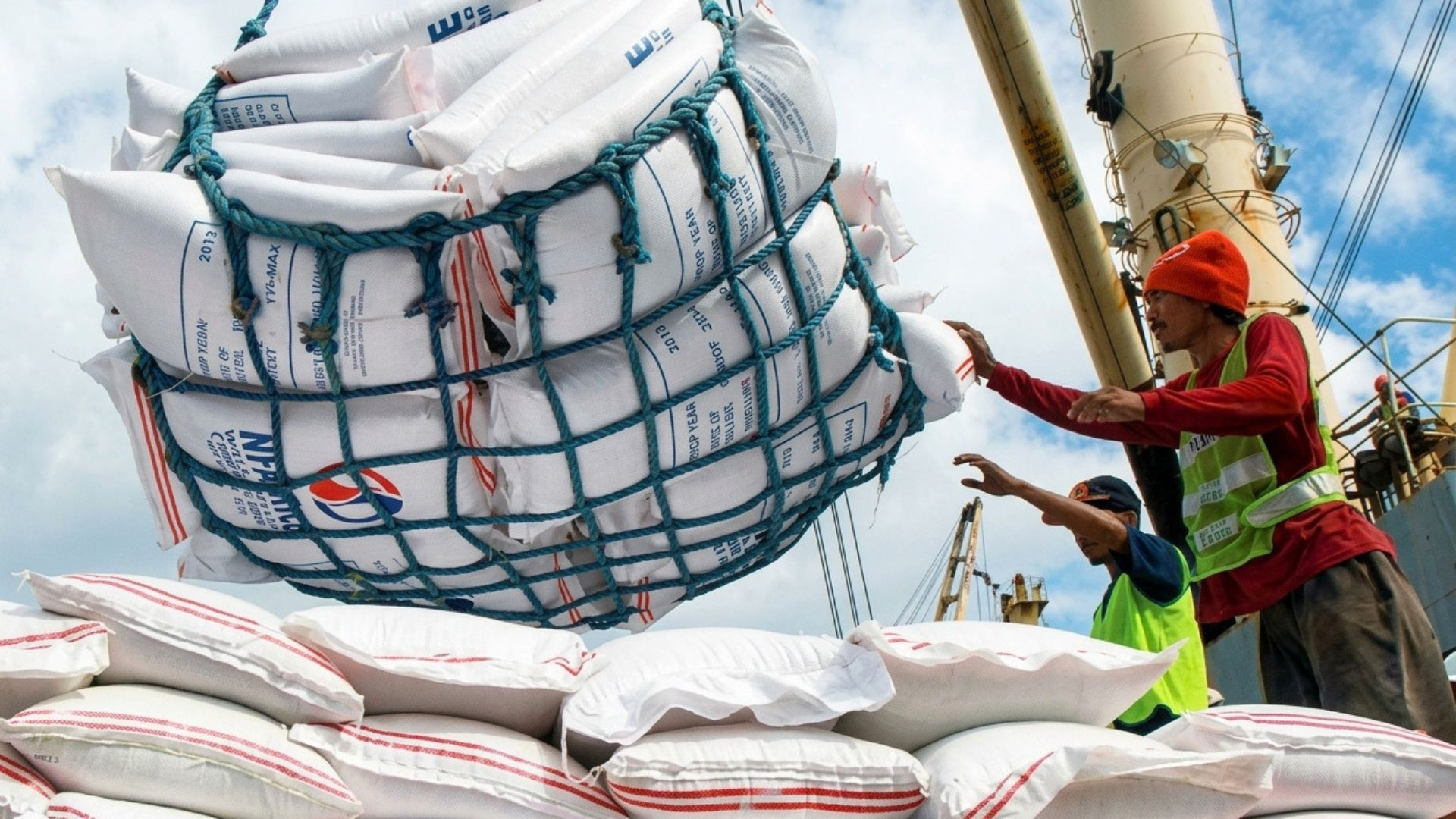
Photo courtesy: BusinessWorld
MANILA, Philippines – The Philippines remains the world’s largest rice importer, according to the United States Department of Agriculture (USDA), as the country continues to rely on overseas supplies to meet domestic demand.
The USDA’s October 2026 rice outlook maintains the Philippines’ position as a major global buyer, with import requirements remaining high amid growing consumption and concerns over local production.
Meanwhile, Philippine government data show that rice imports reached 3.98 million metric tons (MT) as of September 24, already surpassing the 3.39 million MT imported throughout 2025.
The Department of Agriculture (DA) expects total shipments to exceed five million MT before the end of 2026.
Vietnam remains the Philippines’ biggest rice supplier
Vietnam continues to account for the largest share of the country’s imported rice.
Based on figures cited by the DA in early October, approximately 2.72 million MT came from Vietnam, followed by Thailand with 517,528 MT and Myanmar with 400,359 MT.
The heavy reliance on imports reflects the challenge of keeping rice supplies sufficient and prices affordable for Filipino households.
While the Philippines produces rice domestically, local harvests have not consistently met the country’s consumption requirements.
Importation helps fill that gap, particularly when domestic production is affected by unfavorable weather and rising agricultural costs.
El Niño threatens local rice production
The government is preparing for additional pressure on rice supplies as El Niño brings prolonged dry conditions to agricultural areas.
DA Assistant Secretary Arnel de Mesa said the department expects the country to import more than five million MT of rice this year to help maintain adequate stocks.
The agency also projects a reduction of approximately 700,000 MT in total rice production because of El Niño.
Despite the expected decline, the DA aims to maintain rice reserves equivalent to about 75 days of national consumption by the end of the year.
The higher import requirement is intended to help prevent supply shortages and sudden increases in retail rice prices.
Growing imports raise concerns for Filipino farmers
Although imported rice supports domestic supply, large volumes can also create challenges for local farmers.
When cheaper imported rice enters the market during harvest periods, it can put downward pressure on farmgate prices, reducing the income farmers receive for their palay.
The DA has previously emphasized the need to regulate the timing and volume of imports to protect farmers while keeping rice affordable for consumers.
The government has also encouraged importers to diversify their suppliers to reduce dependence on a single market.
These measures come as Philippine agriculture faces continuing challenges involving irrigation, production costs, farm productivity and climate-related disruptions.
Balancing food security and domestic production
The country’s position as the world’s leading rice importer underscores the importance of strengthening local production alongside maintaining adequate food supplies.
Improved irrigation systems, farm mechanization, climate-resilient crop varieties and better access to agricultural financing are among the measures that can support higher domestic output.
For farmers, improved productivity and stable farmgate prices are important to maintaining sustainable livelihoods.
For consumers, sufficient rice supplies remain essential to keeping the country’s main staple affordable.
As the Philippines prepares for the effects of El Niño into 2027, the government faces the continuing challenge of meeting immediate rice requirements while improving the country’s long-term agricultural production capacity.