Canada News
B.C. Conservatives project $2.6 billion in added revenue as party targets smaller deficit

Floyd Brenz., Philippine Canadian Inquirer
October 19, 2026
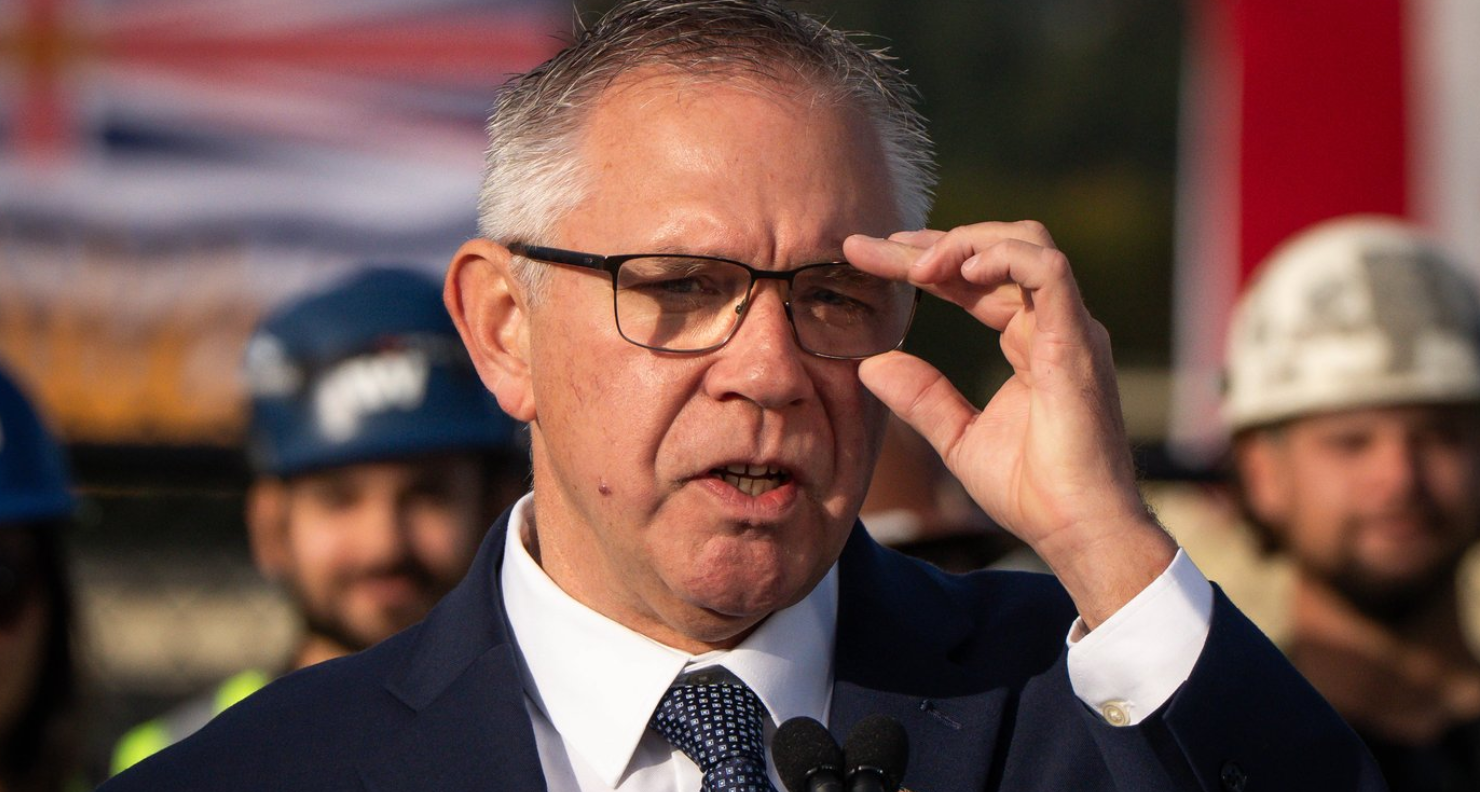
Photo Courtesy: The Canadian Press
The British Columbia Conservative Party is projecting $2.62 billion in additional government revenue over three years and a reduced provincial deficit of $10.8 billion by 2030 under its newly released election platform.
Unveiled on October 18, days before the October 24 provincial election, the 71-page plan outlines the party’s approach to economic growth and spending reductions under interim leader Lorne Doerkson.
The Conservatives’ revenue projection depends on the province’s economy expanding by 2.5% in 2027, 2.8% in 2028 and 3.2% in 2029. The party estimates that this growth would generate $2.62 billion more than the forecast included in the governing New Democratic Party’s economic outlook.
To reduce spending, the Conservatives propose freezing hiring for non-frontline positions, cutting consultant expenses and reviewing expenditures across government ministries. The platform estimates that a core spending review could identify $1.8 billion in savings over four years, while a hiring freeze and staff attrition outside frontline services could save another $2 billion over the same period.
The party describes its approach as fiscal restraint rather than austerity, saying it intends to reduce the deficit while protecting essential services, including health care.
However, the NDP has challenged the financial assumptions behind the proposals. It argues that the Conservatives’ promised income tax cuts and the removal of provincial sales tax on Canadian alcohol and other items could reduce government revenue by more than $4.3 billion annually and increase the deficit.
The NDP also estimates that the Conservatives face a $6-billion funding gap after accounting for other campaign commitments, including a proposed women’s and children’s hospital and replacing the planned Massey Tunnel project with a bridge.
The competing projections have placed fiscal management at the centre of the campaign, with both parties offering different assessments of how the province can address its deficit while funding public services.
The Conservatives released their costed platform after advance voting had already begun on October 16. British Columbians are scheduled to vote in the provincial election on October 24.